

Amid strains in ties, Modi to visit China, Xi to visit India
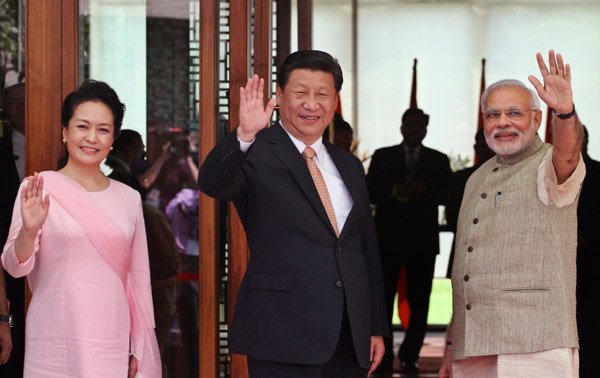
Amid recent strains in relations between the two Asian giants over a host of issues, including New Delhi’s stalled membership of the Nuclear Suppliers Group, India and China are preparing the ground for the visits of their leaders to each other’s country this year.
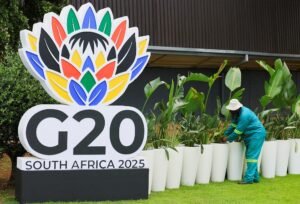
India’s Prime Minister Narendra Modi is set to visit China for the 11th G20 summit of major economies in the scenic city of Hangzhou, the capital of Zhejiang province, on September 4-5. Mr Modi is expected to hold bilateral talks with China’s President Xi Jinping on the sidelines of the G20 summit. This is the first time China is hosting the G20 summit of the world’s top economies which is expected to break “a new path” for global economic growth.
President Xi will be visiting India for the 8th BRICS summit India will host in the coastal city of Goa October 5-6.
South China Sea & NSG
Against this backdrop, China’s Foreign Minister Wang Yi will be in India on August 13 to firm up a substantive agenda for the two-way visits by the leaders of the two neighbouring countries.
The next few weeks are, therefore, going to see intense diplomatic manouevering and a possible trade-off between the two Asian neighbours to ensure that trust deficit does not sharpen between them over the NSG issue, impacting the larger relationship.
Putin to be China’s special guest at the G20 summit
In a sign of deepening strategic embrace between Beijing and Moscow, China has named Russian President Vladimir Putin as the number one figure at the 2016 G20 summit to be held in Hangzhou in September. “President Putin will be the most important guest in Hangzhou which he will visit at the invitation of (Chinese president) […]
Are Russia and NATO inching towards a conflict?
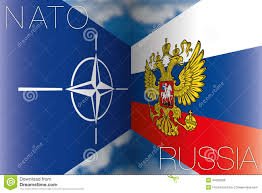
The Joint Communique issued by the recent NATO summit, held on July 8-9 in Warsaw, appears to have sown the seeds of a renewed confrontation with Russia. It identifies Russia as a key threat to European security, emphasises upon ‘deterrence’ and ‘defence’ through a NATO military build-up along Europe’s eastern arc to counter the Russian […]