



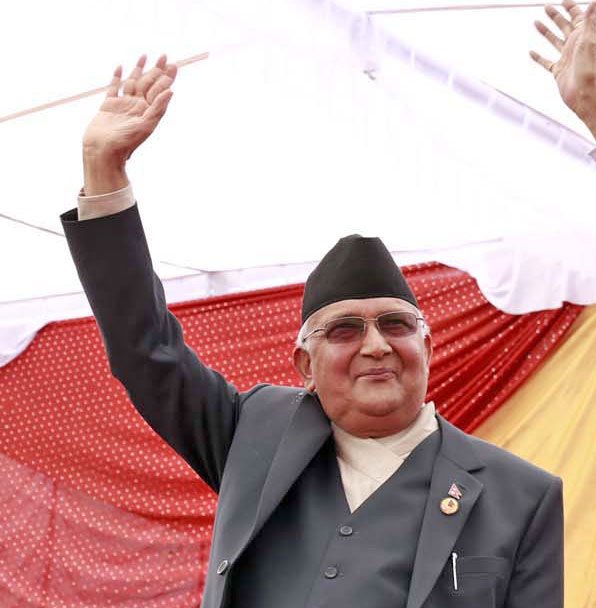
With the Himalayan state suffering from a crippling power crunch, the six-day visit of Nepal’s Prime Minister K.P Sharma Oli to India will focus mainly on enhancing cooperation in the areas of energy and connectivity. Mr Oli is scheduled to visit India from February 19-24. Mr Oli would seek to reinvigorate ties with India after the deterioration in ties between the two countries due to the blockade in Nepal and Nepal alleging India’s interference in its domestic matters. Nepal seeks to import more power from India. The two countries have inked a pact on power where Nepal would import an additional 80 MW of electricity to ease its energy crisis. It is expected that during Mr Oli’s visit Nepal will pitch for importing more power from India. “During the visit we expect discussions on all issues of mutual interest, bilateral cooperation, particularly in the key areas of energy, connectivity and people to people linkages will form the main focus of the visit,” External Affairs Ministry spokesperson, Vikas Swarup said. Nepal at present imports around 230 MW of electricity from India, despite which it is still facing 14 hour-long power outage daily at present. Nepal’s total energy demand is 1,300 MW at present, but it is only able to provide 829 MW. Nepal’s demand for electricity is expected to reach around 1500 MW by the end of 2016, as a result, there is no other alternative but to import from India, according to an energy ministry report in Nepal. Nepal is expected to buy around 600 MW from India in three stages. The Energy ministry report in Nepal said that 200 MW will be imported from Muzzafarpur-Dhalkebar transmission line while the rest will be imported from various other cross-border grids. Nepal’s government is likely to declare an Energy emergency by February 22 due to the growing energy crisis, according to reports in Nepal. Connectivity Connectivity is another major area of focus that will be taken up during Mr Oli’s visit. After months of blockade in the border regions due to the agitation in Nepal by the Madhesis over the promulgation of the new constitution, the blockade was lifted a few days ago resuming normal commerce between India and Nepal. The Raxaul-Birgunj border which is the highest density trade route between India and Nepal was hit due to the blockade. Indian trucks could not enter Nepal and trade was hit. The two countries would seek to improve connectivity between the two countries in the backdrop of the blockade being lifted and work towards regional integration and improve trade at the same time.