



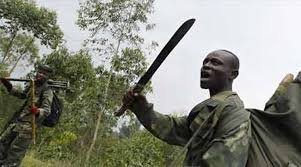
The attack on UN’s largest peacekeeping mission in the Democratic Republic of Congo, which wounded two Indian soldiers and injured 18 others in the Mamundioma base in the North Kivu province, has created much concern in India. The brutal attack was perpetrated by the Allied Democratic Forces (ADF), a Ugandan Islamist group, on October 9.It followed an ambush a day before on a convoy of civilians on the road between Kamango and Mbau that killed almost 20 people. More than 800 deaths have been reported in ethnic clashes from 2014 to 2016 in this central African nation. Particularly volatile has been the eastern region of Kivu where attacks by illegal armed groups have led to continuous bloodshed. Last week the Indian Army Camp in Lubero, located about 300 km north of Goma, the main town of North Kivu province, faced an attack by the Mai Mai group. However, the Indian soldiers were successful in foiling the attempt by killing 3 militants and wounding another. Two Indian soldiers were hurt in the attack. “Friday’s attack was a rare frontal assault on the UN forces deployed for protecting civilians in Congo,” said Army spokesperson Col. Aman Anand. A total of 2,664 Indian Army personnel are currently deployed in Congo who carry out an average of 2,300 patrols per month and assist in targeted operations against illegal armed groups (IAGs). While it was influential in eliminating the M23, the largest rebel group in DR Congo, UN’s largest and most expensive mission has come under criticism from civilians and member states for failing to effectively tackle the menace of various extremist groups in the eastern region. In May this year, the UN Security Council voted to cut the size of MONUSCO (the French acronym of the mission) reducing the number of peacekeepers from 19,000 to 3,000. The strongest criticism came from the US which accused the UN of siding with the corrupt government of Congo. The country has been plagued by war and instability since a coalition of rebel groups unseated dictator Mobutu Sese Seko in 1997. The groups have been fighting over the natural resources of the land, further deepening the political conflict. The present crisis in Congo concerns President Joseph Kabila whose tenure was supposed to end last December. There has been a violent crackdown on protestors demanding his ouster leading to prison-breaks, rebellion and lawlessness. (With inputs from Pritha Mahanti)