
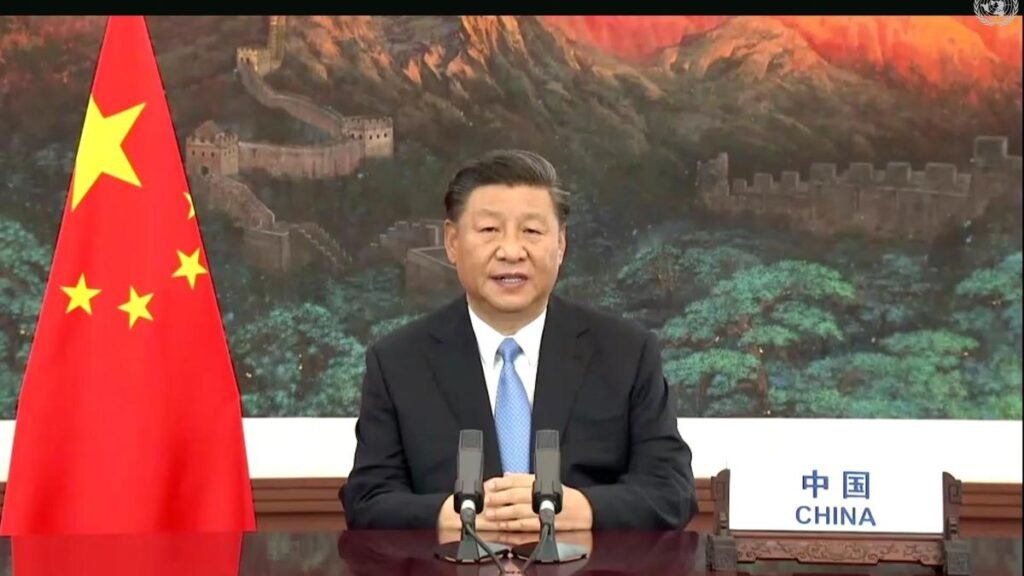
By Shweta Aggarwal Amid increasing geopolitical rivalry and intensified nationalistic sentiments in the wake of the coronavirus pandemic, Chinese President Xi Jinping has made an eloquent case for upholding multilateralism and called for resolving cross-cutting global issues through dialogue and diplomacy. In his big-picture speech at the first virtual session of the United Nations General Assembly (UNGA) on September 27, Xi Jinping underlined the interconnectedness of all humanity, saying “we are all in the same boat.” In the Same Boat “The 75 years since the founding of the UN has been a period of rapid development of multilateralism. Problems facing the world are big and many, and global challenges are on the increase. They should and can only be resolved through dialogue and cooperation,” the Chinese leader told the international community. “International affairs ought to be addressed through consultation among us all. The understanding that we are all in the same boat is now a popular consensus in the global community,” he said. No Hegemony, Please
In a veiled swipe at the US, with which China is locked in a prolonged trade war, President Xi warned against hegemonism and attempts to boss the world. “No country has the right to dominate global affairs, control the destiny of others, or keep advantages in development all to itself. Even less should one be allowed to do whatever it likes and be the hegemon, bully or boss of the world,” he said.
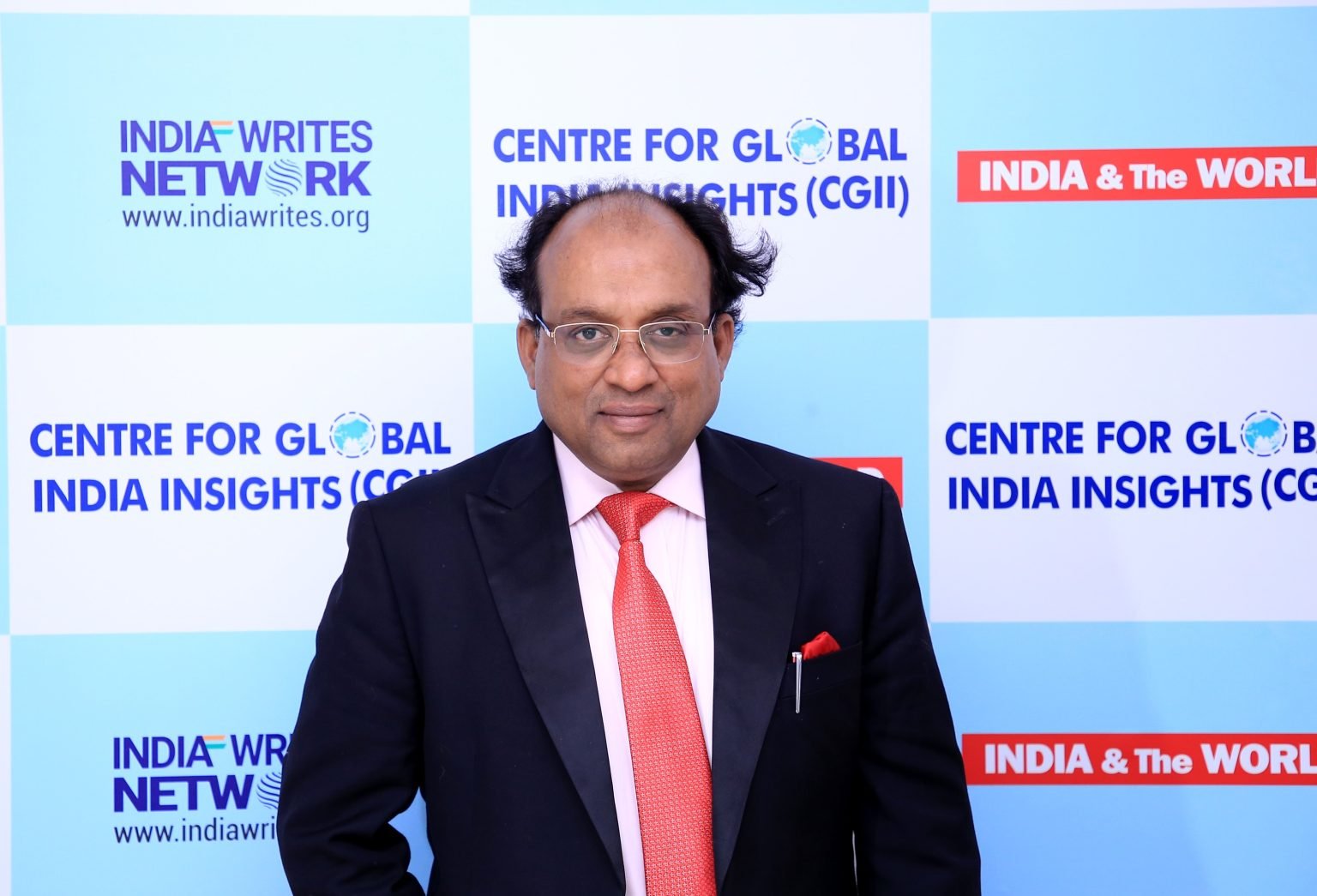
Underlining that “unilateralism is a dead end,” Mr Xi stressed: “All need to follow the approach of extensive consultation, joint contribution and shared benefits.” He argued passionately for “increasing the representation and voice of developing countries so that the UN could be more balanced in reflecting the interests and wishes of the majority of countries in the world.” In a statesman-like speech, President Xi Jinping highlighted dangers of ideological games. “Cold War mentality, ideological lines or zero-sum game are no solution to a country’s own problem, still less an answer to mankind’s common challenges.” “What we need to do is to replace conflict with dialogue, coercion with consultation and zero-sum with win-win. We need to pursue the common interests of all as we each work to safeguard our own interests. We need to expand the converging interests of all and build a big global family of harmony and cooperation.” Result-Oriented UN Arguing for a more result-oriented UN, Mr Xi stressed the importance of problem solving and tangible outcomes. “To put into practice the principle of multilateralism, we must act, not just talk. There must be a cure, not just a therapy. The UN should aim at problem solving and move toward tangible outcomes as it advances security, development and human rights in parallel,” he said. As the world steps up its search for a vaccine against the coronavirus, the Chinese leader called for putting public health on the forefront of the global agenda. “In particular, as the UN advances its 2030 Agenda for Sustainable Development, priority should be given to addressing non-traditional security challenges such as public health; the issue of development should be highlighted in the global macro framework; and there should be a greater emphasis on the promotion and protection of the rights to subsistence and development.” “Let us renew our firm commitment to multilateralism, work to promote a community with a shared future for mankind, and rally behind the banner of the UN to pursue greater unity and progress.” India-China Connect Xi Jinping’s speech at UNGA with its focus on upholding and advancing multilateralism struck a chord among foreign policy circles in India. “India-China relations may be on a downward spiral, but the two countries are trying to resolve the border-related issues through dialogue. As two large developing countries and emerging economies, both India and China are in the forefront of championing multilateralism against the backdrop of the rise in brazen unilateralism,” said Manish Chand, foreign policy analyst and Editor-in-Chief of India Writes Network. “Going forward, India and China plan to continue their cooperation in plurilateral and multilateral fora, including the UN, G20, BRICS and SCO,” said Mr Chand. In his speech at UNGA, India’s Prime Minister Narendra Modi made an impassioned case for expediting reform of the United Nations Security Council and a permanent seat for India in UNSC.