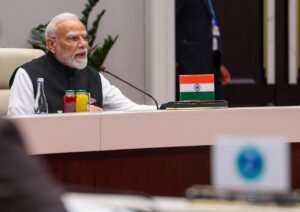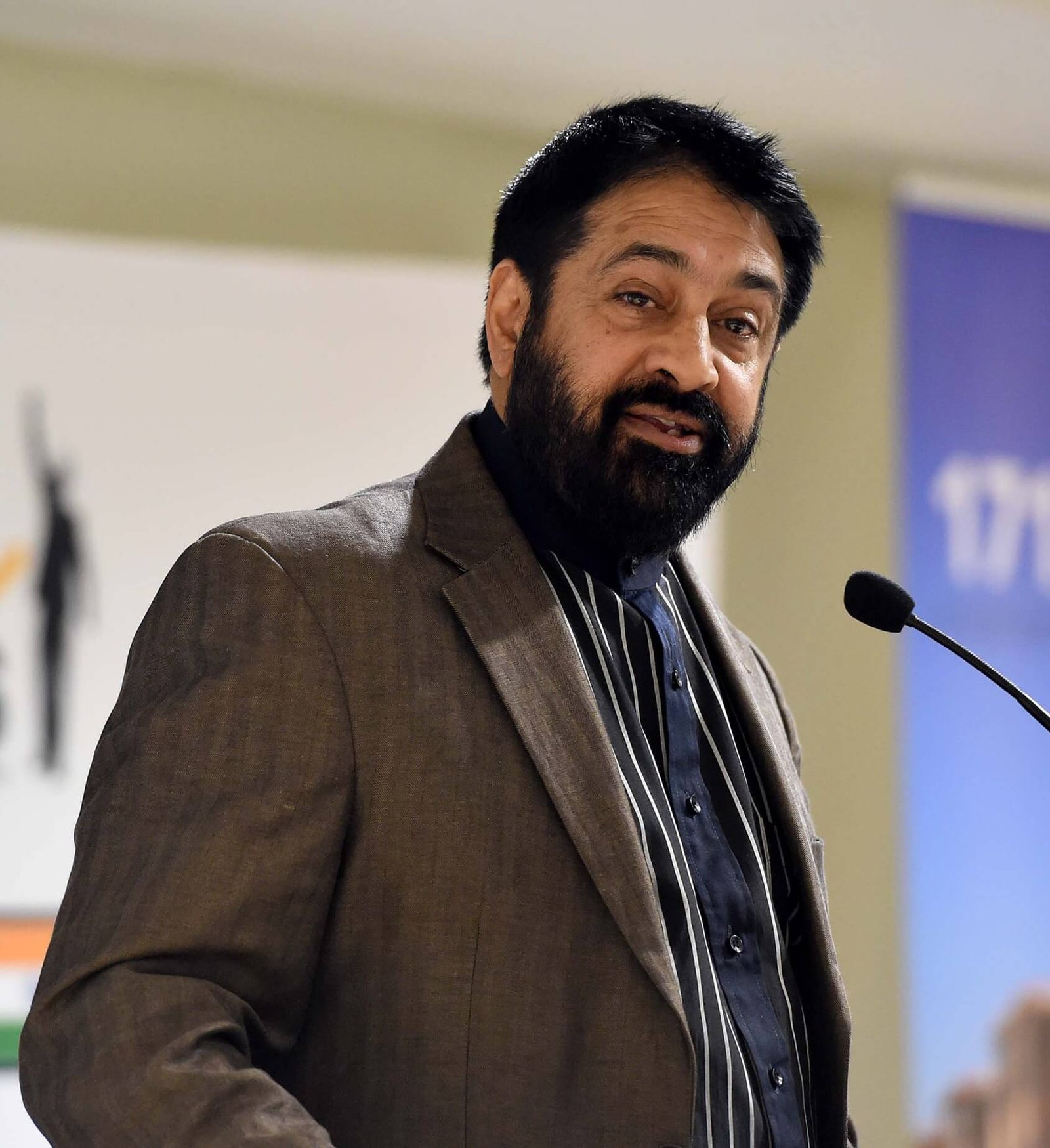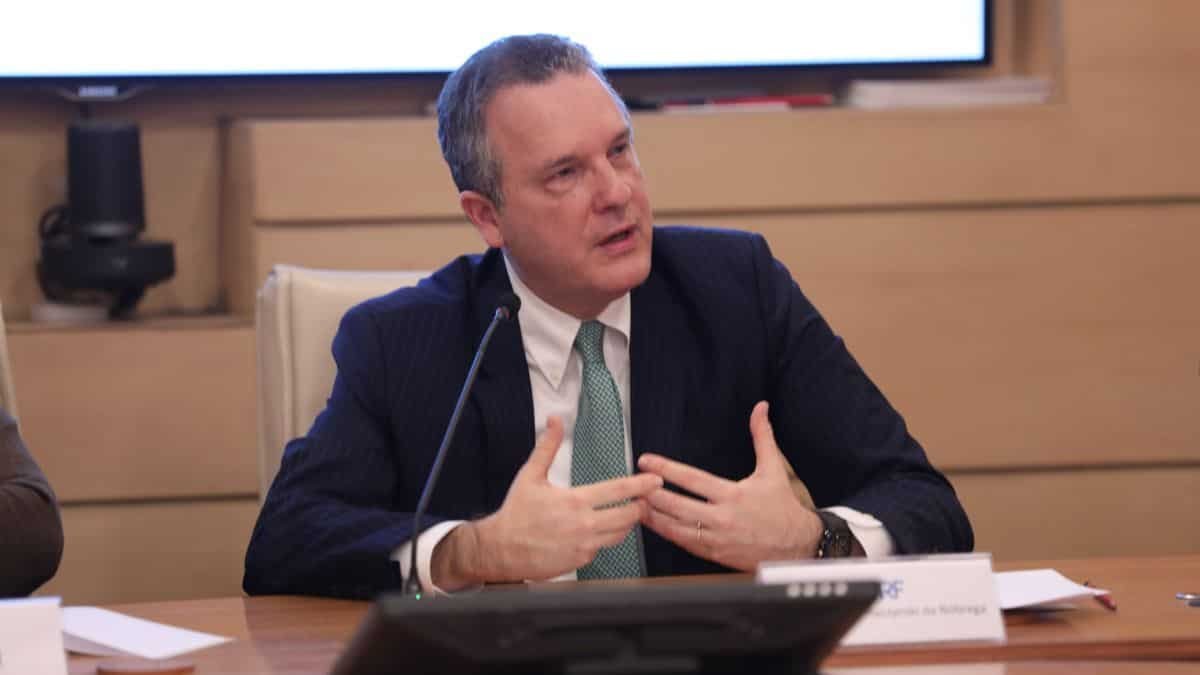













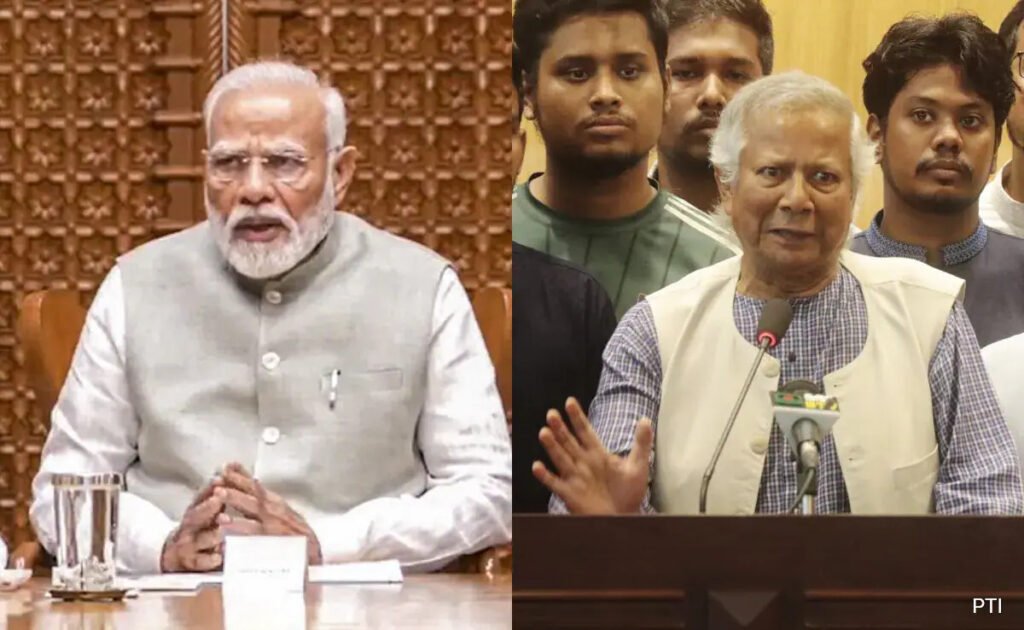
Days after the change of guard in Dhaka, Prime Minister Narendra Modi spoke with Professor Mohammad Yunus, the Chief Adviser of the Interim Government of Bangladesh, and underlined India’s steadfast support for a stable and democratic Bangladesh. The conversation on August 16 took place against the backdrop of radical political changes in Bangladesh, following the sudden resignation of Prime Minister Sheikh Hasina amid students’ protests, and the formation of a new interim administration. PM Modi expressed India’s commitment to fostering a peaceful and progressive Bangladesh, underlining the importance of safeguarding minority communities, particularly Hindus. Modi’s emphasis on the protection of minorities aligns with India’s broader regional strategy, which aims to maintain regional stability and prevent any potential spillover of unrest across the border.
Mr Yunus, acknowledging the gravity of the situation, assured Modi that the interim government would prioritize the safety and security of all minority groups, including Hindus. This assurance is particularly significant given ongoing communal tensions in Bangladesh triggered by repeated targeting of Hindu minority in Bangladesh.
This dialogue reflects India’s nuanced approach to the evolving crisis in Bangladesh. India has strategically engaged with the new interim government, recognizing the need to balance diplomatic relations while addressing critical humanitarian concerns. By emphasizing the protection of minorities, India is also signalling its commitment to ensuring that the political transition in Bangladesh does not exacerbate communal tensions or lead to further instability. The telephonic conversation also touched on broader bilateral relations, with both leaders discussing how to advance cooperation in line with their respective national priorities. The political upheaval in Bangladesh has presented a complex challenge for India, which has deep historical, economic, and strategic ties with its neighbour.
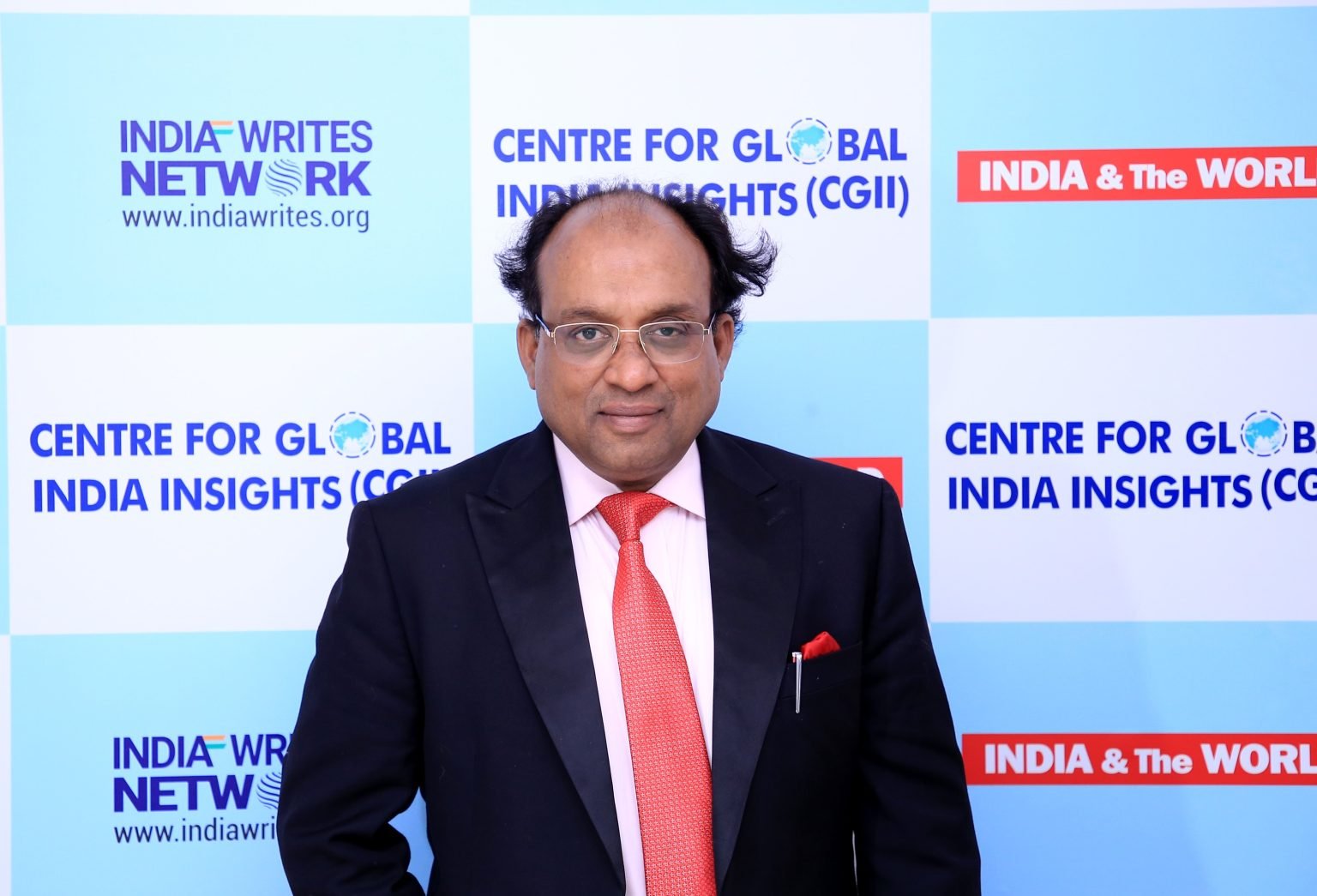
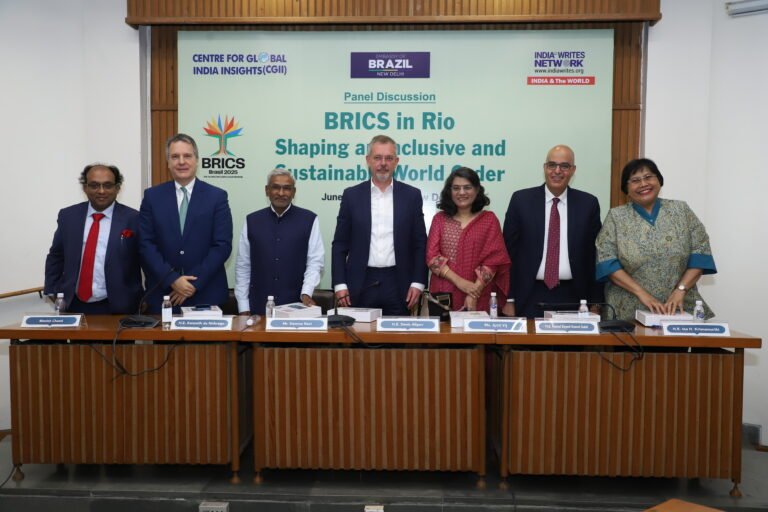
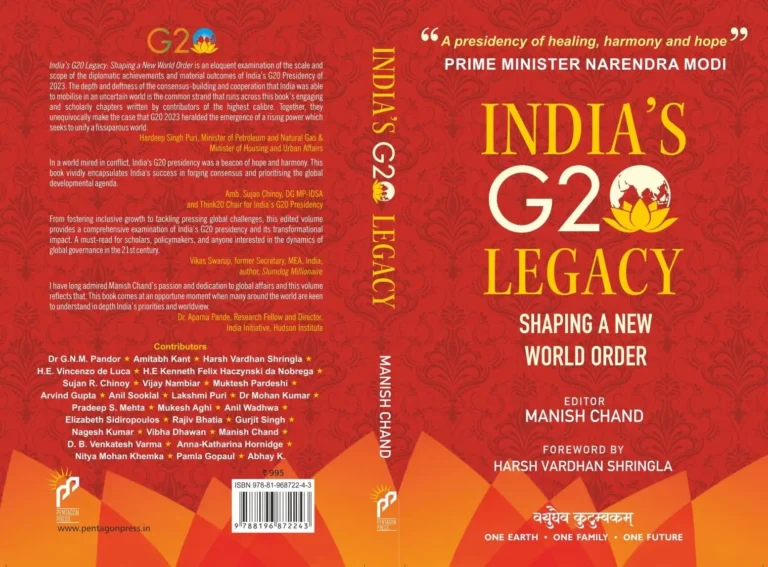
“India’s cautious approach towards the new regime in Dhaka is marked by pragmatism and constructive engagement to prevent Bangladesh from failing into the hands of communal forces. India has to continue engaging the interim administration to protect its core interests in Bangladesh,” said Manish Chand, CEO, Centre for Global India Insights, a think tank focused on global affairs. This is part of a broader strategy that includes securing India’s borders and preventing any negative repercussions from the political changes in Bangladesh.
The interim government, under Professor Yunus, has underscored its commitment to upholding human rights and ensuring equality for all citizens. Yunus has urged the Hindu community, and all other minority groups, to see themselves as equal citizens of Bangladesh, reinforcing the government’s stance on inclusivity and rule of law. The Modi-Yunus conversation marks an important step in this process, signalling a mutual commitment to addressing both immediate concerns, such as minority protection, and broader goals of regional peace and cooperation. As Bangladesh navigates its political transition, India’s role as a stabilizing force will be crucial in shaping the future of bilateral relations and ensuring that the region remains peaceful and prosperous. (Ananya Singh contributed inputs for this article)