




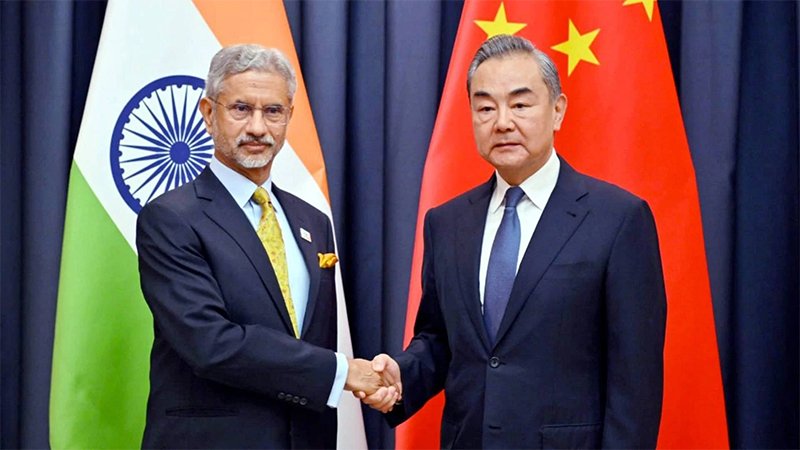
India and China have made significant progress in disengagement along the Line of Actual Control (LAC), with Chinese troops having disengaged at four friction points, including the Galwan Valley. This development follows a meeting between National Security Adviser (NSA) Ajit Doval and Chinese foreign minister Wang Yi in St. Petersburg on September 12, during the BRICS summit of national security advisors.
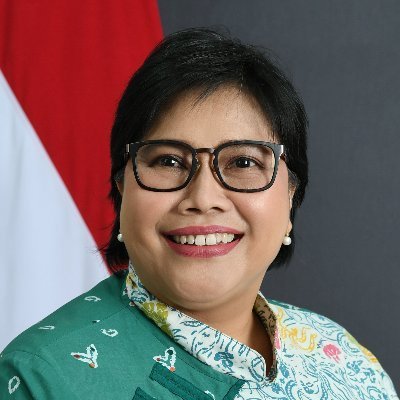
Chinese foreign ministry spokesperson Mao Ning confirmed the disengagement in four areas, including the Galwan Valley, stating that the border situation between the two countries is “generally stable and under control.” Mao also mentioned that India and China agreed to work together to improve bilateral ties. “The two sides discussed progress made in recent consultations on border issues and agreed to enhance mutual understanding and trust, create conditions for improving bilateral ties, and maintain communication,” Mao said.
Her comments came a day after External Affairs Minister S. Jaishankar highlighted that about 75% of the disengagement problems with China have been resolved but noted concerns about increasing militarization along the frontier. Mr Jaishankar, while speaking at an interactive session at a think tank in Geneva, emphasized that the 2020 Galwan Valley clashes have deeply impacted India-China relations, stating that violence at the border cannot be separated from other aspects of the relationship. “You cannot have violence on the border and say let the rest of the relationship carry on,” he added. Mr Jaishankar’s remarks align with the ongoing diplomatic efforts to resolve the LAC standoff, which began in 2020. The 21 rounds of Corps Commander-level talks have helped de-escalate tensions in areas like the north and south banks of Pangong Lake, Gogra, and Hot Springs, yet some disengagement issues remain unresolved. During the meeting between Doval and Wang Yi, both sides expressed a commitment to expedite the process of disengagement in the remaining friction points in eastern Ladakh. India’s Ministry of External Affairs (MEA) reiterated that the two countries agreed to work with “urgency” to achieve complete disengagement. According to the MEA, the meeting provided an opportunity for India and China to review recent efforts and discuss the next steps toward resolving the border situation, with the goal of stabilizing and rebuilding bilateral relations. Relations between India and China have been at their lowest point since the 2020 Galwan clash, which resulted in significant casualties on both sides and triggered a military buildup along the LAC. The two countries have since engaged in multiple rounds of diplomatic and military talks to de-escalate tensions, but the broader challenges of their relationship, including trade imbalances and geopolitical competition, continue to complicate efforts to normalize ties. While the disengagement in four key areas signals progress, the remaining issues and growing militarization on both sides of the border will require further dialogue and diplomatic engagement. There is a growing realisation by both sides that resolving these disputes is crucial to improving their overall relationship, and ongoing consultations are expected to address these challenges moving forward. (Ananya Singh contributed inputs for this article)