Sanction-proofing Ties
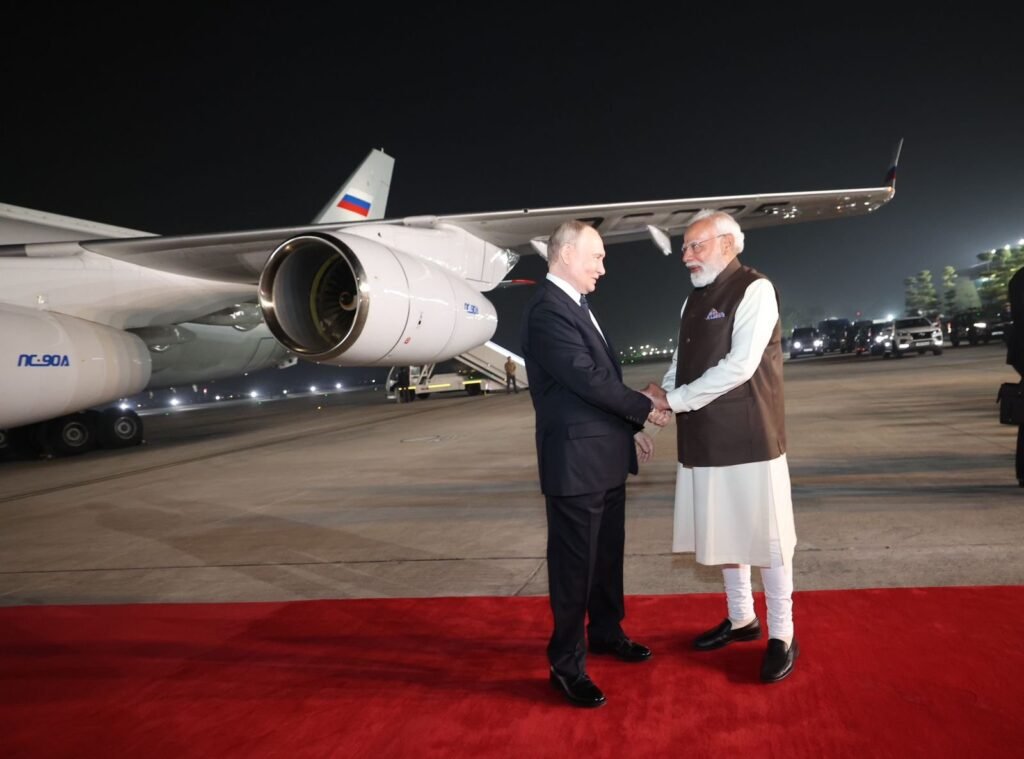
In the face of the US’ sanctions on Russia’s state-controlled oil giant Rosneft and Lukoil, the two sides will discuss ways to keep the oil trade going and finalise interoperable payment systems. On the eve of Putin’s visit, India’s November 2025 Russian oil imports reached a five-month high, underscoring the resilience of the energy trade despite the US pressures and Reliance Industries pausing refinery imports to avoid secondary tariffs. According to senior Indian officials and Russian diplomats, the two sides are expected to finalise agreements for expanded oil exploration and long-term supply contracts, including discounted crude. To keep the oil trade going, India and Russia are expected to finalise an interoperable payment system that would involve integrating their national payment platforms, like India’s UPI and Russia’s SPFS, as an alternative to the SWIFT system for cross-border transactions. This initiative would reduce reliance on the US. dollar and accelerate trade, particularly for tourists and businesses. This would serve as an alternative to the global SWIFT network, which many Russian banks were disconnected from in 2022.
Bridging trade deficit
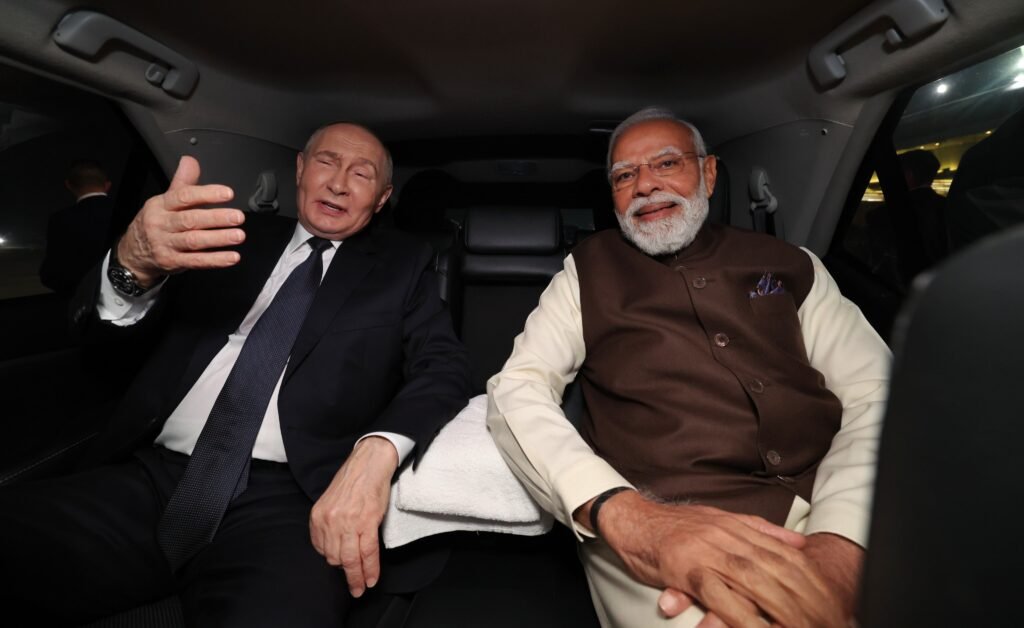
From India’s point of view, balancing trade with Russia would be a major priority during Putin’s visit. India-Russia bilateral trade has exceeded $68 billion, but the trade deficit, driven by its imports of discounted Russian crude oil, has increased to around $57 billion with Russia. This imbalance has intensified amid Western sanctions on Russia and recent US tariffs on Indian exports, including secondary penalties on Russian oil purchases. During Putin’s visit, the two sides will finalize several bilateral agreements and initiatives aimed at boosting Indian exports to Russia, thereby reducing trade deficit significantly.
Ahead of Putin’s visit, Dmitry Peskov, Press Secretary of Russian President Vladimir Putin, voiced confidence that although some countries are trying to create “obstacles” in India-Russia trade, the two sides are focused on overcoming the challenge and expand bilateral trade to $100 billion in the next five years. Speaking at an online media interaction organised by Russian news outlet Sputnik, Mr. Peskov said that the western sanctions are illegal and would not to be allowed to impede trade and investment between the two countries.
“Russia continues to be a very important supplier of energy sources to India on competitive prices and we know that this trade is of great benefit to India and at the same time of mutual benefit,” said Mr. Peskov, adding that “various methods of payments between the two countries will be on the agenda” of the talks during the two leaders in New Delhi. “We have to organise our trade volume and our trade interaction in the way that cannot be affected by third countries. So, the nearly whole volume of our trade relations is being paid by our national currencies. This is very important as that way we are securing our trade and our sovereignty.”
To expand Indian exports to Russia, the two sides are likely to set up joint working groups to identify areas in which India has competitive edge such as IT services and engineering goods. The two sides will also sign agreements to address challenges in financing, logistics, and payment systems, including full implementation of rupee-ruble settlements to bypass dollar-based sanctions and reduce transaction costs
Upgrading defence ties
Although no new defence deals will be announced during Putin’s visit, the two sides are likely to finalise key defence deals such as pacts on joint development of upgraded BrahMos and the procurement of additional S-400 missile. Russia will push for manufacturing fifth-generation Su-57 stealth fighters in India, along with technology transfer.
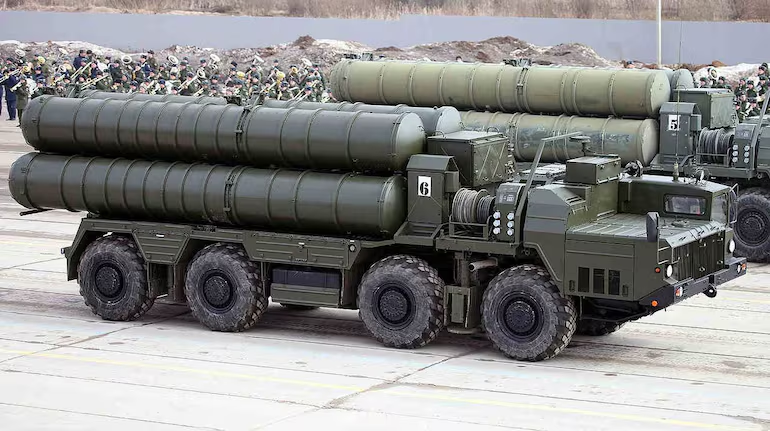
But any final decision on this major acquisition is unlikely to be taken during the visit due to complex issues involved, including the pricing of Su-57. The two sides are likely to finalise a deal on upgrade of BrahMos missiles, which helped India thwart Pakistan’s strikes during “Operation Sindoor” in May this year. India will push for buying 2-5 more S-400s and push for accelerating supply of two of the five S-400 squadrons of air defence systems ordered by India since 2018.
The Road Ahead
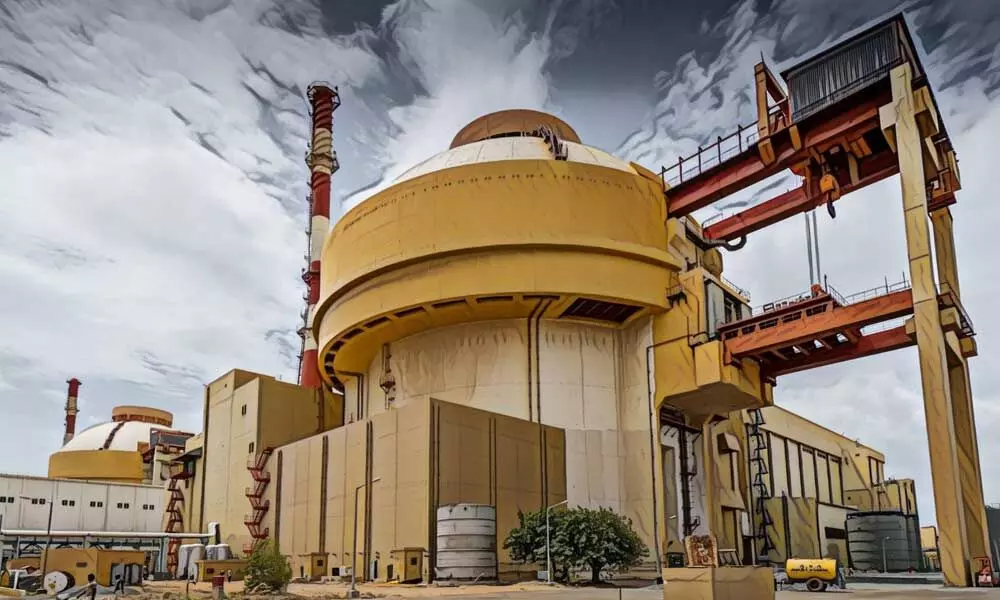
Along with defence, atomic energy remains a robust pillar of India-Russia partnership. In this regard, the two sides are expected to sign pacts to add more reactors at the Kudankulam Nuclear Power Plant (currently six operational). The two sides are expected to finalise plans for increasing localization and enhanced cooperation in small modular reactors (SMRs). One can expect joint ventures for SMR technology deployment in India. India will be focusing on joint manufacturing of SMRs that will promote self-sufficiency in civil nuclear energy.
President Putin’s visit will be watched closely in the US and European capitals which see India’s expanding ties with Russia as support for Russia’s “invasion” of Ukraine. Ahead of the visit, the ambassadors of the EU, UK and Germany penned a joint article cautioning India about its ties with Russia. New Delhi has not taken kindly to these “unacceptable” efforts to interfere in India-Russia relations. This act of assertion shows that Putin’s visit will be as much about concrete outcomes in diverse areas as it will be about making a strong statement about insulating India-Russia ties from external pressure. However, the two strategic partners need to go urgently beyond nostalgia and cliches to reinvent this partnership beyond defence and energy sectors that have dominated the headlines. It’s time to imbue this relationship not only with economic heft but also suffuse it with enhanced people-to-people contacts.


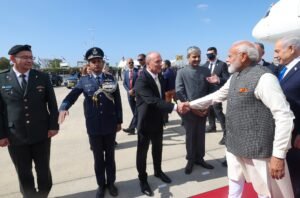


Unpacking Putin’s India visit: Insulating India-Russia ties from external pressure
Sanction-proofing Ties
In the face of the US’ sanctions on Russia’s state-controlled oil giant Rosneft and Lukoil, the two sides will discuss ways to keep the oil trade going and finalise interoperable payment systems. On the eve of Putin’s visit, India’s November 2025 Russian oil imports reached a five-month high, underscoring the resilience of the energy trade despite the US pressures and Reliance Industries pausing refinery imports to avoid secondary tariffs. According to senior Indian officials and Russian diplomats, the two sides are expected to finalise agreements for expanded oil exploration and long-term supply contracts, including discounted crude. To keep the oil trade going, India and Russia are expected to finalise an interoperable payment system that would involve integrating their national payment platforms, like India’s UPI and Russia’s SPFS, as an alternative to the SWIFT system for cross-border transactions. This initiative would reduce reliance on the US. dollar and accelerate trade, particularly for tourists and businesses. This would serve as an alternative to the global SWIFT network, which many Russian banks were disconnected from in 2022.
Bridging trade deficit
From India’s point of view, balancing trade with Russia would be a major priority during Putin’s visit. India-Russia bilateral trade has exceeded $68 billion, but the trade deficit, driven by its imports of discounted Russian crude oil, has increased to around $57 billion with Russia. This imbalance has intensified amid Western sanctions on Russia and recent US tariffs on Indian exports, including secondary penalties on Russian oil purchases. During Putin’s visit, the two sides will finalize several bilateral agreements and initiatives aimed at boosting Indian exports to Russia, thereby reducing trade deficit significantly.
Ahead of Putin’s visit, Dmitry Peskov, Press Secretary of Russian President Vladimir Putin, voiced confidence that although some countries are trying to create “obstacles” in India-Russia trade, the two sides are focused on overcoming the challenge and expand bilateral trade to $100 billion in the next five years. Speaking at an online media interaction organised by Russian news outlet Sputnik, Mr. Peskov said that the western sanctions are illegal and would not to be allowed to impede trade and investment between the two countries.
“Russia continues to be a very important supplier of energy sources to India on competitive prices and we know that this trade is of great benefit to India and at the same time of mutual benefit,” said Mr. Peskov, adding that “various methods of payments between the two countries will be on the agenda” of the talks during the two leaders in New Delhi. “We have to organise our trade volume and our trade interaction in the way that cannot be affected by third countries. So, the nearly whole volume of our trade relations is being paid by our national currencies. This is very important as that way we are securing our trade and our sovereignty.”
To expand Indian exports to Russia, the two sides are likely to set up joint working groups to identify areas in which India has competitive edge such as IT services and engineering goods. The two sides will also sign agreements to address challenges in financing, logistics, and payment systems, including full implementation of rupee-ruble settlements to bypass dollar-based sanctions and reduce transaction costs
Upgrading defence ties
Although no new defence deals will be announced during Putin’s visit, the two sides are likely to finalise key defence deals such as pacts on joint development of upgraded BrahMos and the procurement of additional S-400 missile. Russia will push for manufacturing fifth-generation Su-57 stealth fighters in India, along with technology transfer.
But any final decision on this major acquisition is unlikely to be taken during the visit due to complex issues involved, including the pricing of Su-57. The two sides are likely to finalise a deal on upgrade of BrahMos missiles, which helped India thwart Pakistan’s strikes during “Operation Sindoor” in May this year. India will push for buying 2-5 more S-400s and push for accelerating supply of two of the five S-400 squadrons of air defence systems ordered by India since 2018.
The Road Ahead
Along with defence, atomic energy remains a robust pillar of India-Russia partnership. In this regard, the two sides are expected to sign pacts to add more reactors at the Kudankulam Nuclear Power Plant (currently six operational). The two sides are expected to finalise plans for increasing localization and enhanced cooperation in small modular reactors (SMRs). One can expect joint ventures for SMR technology deployment in India. India will be focusing on joint manufacturing of SMRs that will promote self-sufficiency in civil nuclear energy.
President Putin’s visit will be watched closely in the US and European capitals which see India’s expanding ties with Russia as support for Russia’s “invasion” of Ukraine. Ahead of the visit, the ambassadors of the EU, UK and Germany penned a joint article cautioning India about its ties with Russia. New Delhi has not taken kindly to these “unacceptable” efforts to interfere in India-Russia relations. This act of assertion shows that Putin’s visit will be as much about concrete outcomes in diverse areas as it will be about making a strong statement about insulating India-Russia ties from external pressure. However, the two strategic partners need to go urgently beyond nostalgia and cliches to reinvent this partnership beyond defence and energy sectors that have dominated the headlines. It’s time to imbue this relationship not only with economic heft but also suffuse it with enhanced people-to-people contacts.
Manish Chand
Related Posts
Eyewitness recalls: US-Israel-Iran war, up close and personal
Empathy and eros in Tel Aviv bunkers
Modi visit: India-Israel partnership enters a new era
Unravelling Modi’s Israel journey: What to expect
India and Indonesia: Advancing an Inclusive AI Future for the Global South
Macron in Mumbai : Shaping the Next Phase of India–France Ties
Latest Events
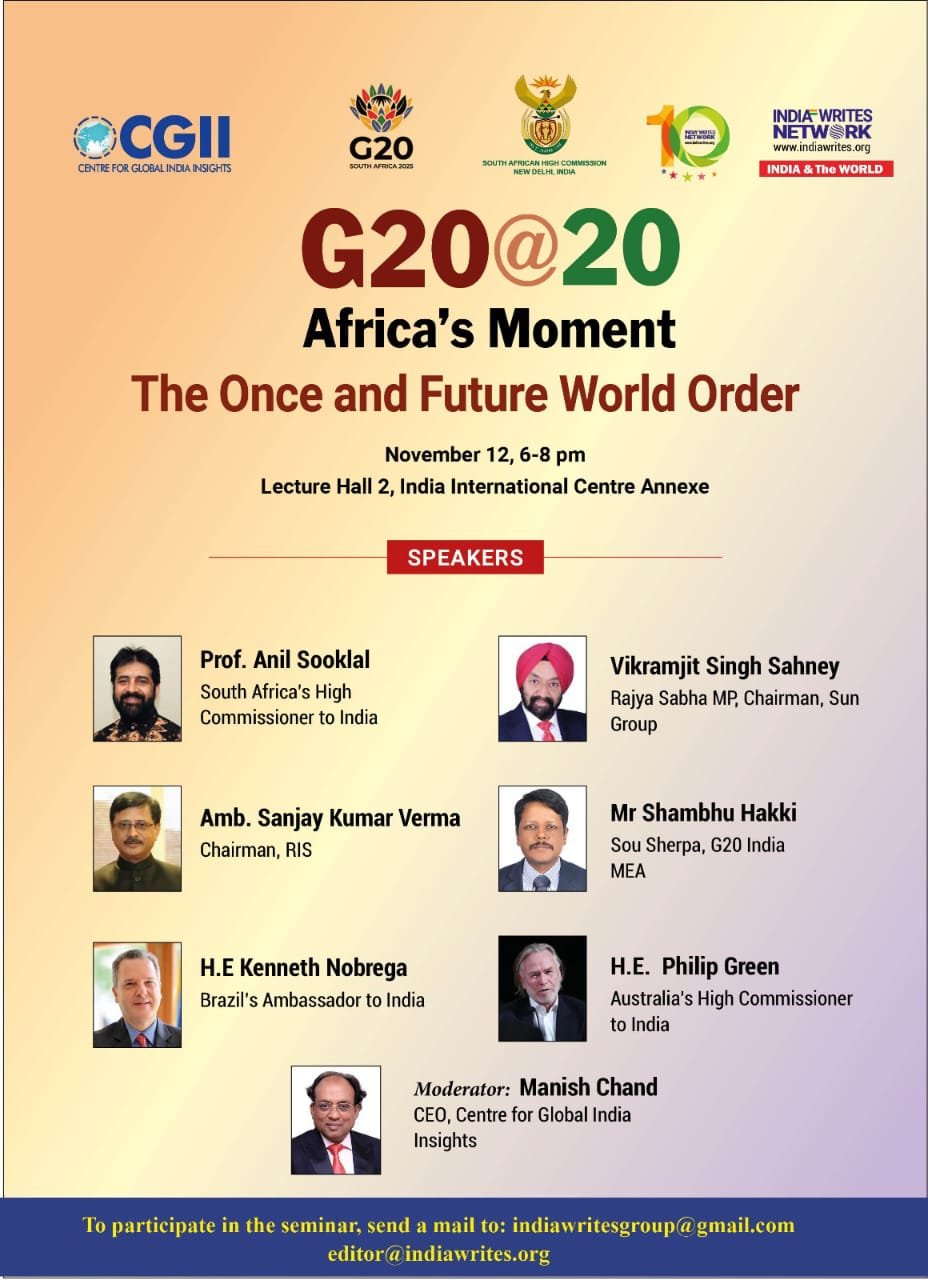
G20@20: Africa’s Moment – The Once and Future World Order
Speakers
Professor Anil Sooklal
Kenneth da Nobrega
Manish Chand
Ambassador Philip Green
sanjay Kumar Verma
Shambhu Hakki
Vikramjit Singh Sahney
MPs, diplomats laud Operation Sindoor, call for national unity to combat Pakistan-sponsored terror
Speakers
Aparajita Sarangi
Brij Lal
Dr Amar Patnaik
Manish Chand
Priyanka Chaturvedi
Sujan Chinoy
Yashvardhan Kumar Sinha
BRICS summit in Rio to focus on Global South, local currency trade
Speakers
Dammu Ravi
Denis Alipov
Ina Hagniningtyas Krisnamurthi
Jyoti Vij
Kamel Zayed Kamel Galal
Kenneth da Nobrega
Manish Chand
Book
India’s G20 Legacy: Shaping a New World Order
Editor: Manish Chand
Pages: 206
Publisher: Pentagon Press LLP
Cover Price: INR 995
In Conversation
India, Israel have to work faster to defeat terrorists: Israel’s Ambassador
In The Press
Rescuing G20 from North-South divide: Ubuntu Moment
The Sunday Guardian: India calls for strengthened BRICS cooperation
Daily Excelsior: Ahead BRICS summit in Rio, envoys call for greater focus on combating terrorism
Rediff: BRICS Summit 2024: Focus on National Currencies
Latest From CGII
Eyewitness recalls: US-Israel-Iran war, up close and personal
Empathy and eros in Tel Aviv bunkers
Modi visit: India-Israel partnership enters a new era
Unravelling Modi’s Israel journey: What to expect
India and Indonesia: Advancing an Inclusive AI Future for the Global South
Macron in Mumbai : Shaping the Next Phase of India–France Ties
The Journal
India’s G20 Journey – Scaling A New Summit
India’s G20 Moment: Hope, Healing and Harmony