All issues were discussed threadbare – from trade tariffs to visa restrictions and changes in immigration policies, racist attacks directed at Indians in the US to Washington’s perceived pivot towards Islamabad.
Addressing a press conference with External Affairs Minister S Jaishankar, US Secretary of State Marco Rubio framed the India-US partnership, as “a strategic alliance between two countries that have global influence and the ability to influence global events.” In his sincere tone, Rubio assured that the bilateral relationship between India and the US continues to be strong and has not lost any momentum.
“There are only a handful of countries in the world that have both the economic and diplomatic power to be influential on strategic issues from a global perspective, and India is one of them, which is what adds the finishing touches on the importance of the strategic alliance…we have a strategic alliance between the US and India, it’s a strategic alliance between two countries that have global influence and the ability to influence global events, and that distinguishes it from other relationships,” Rubio said.
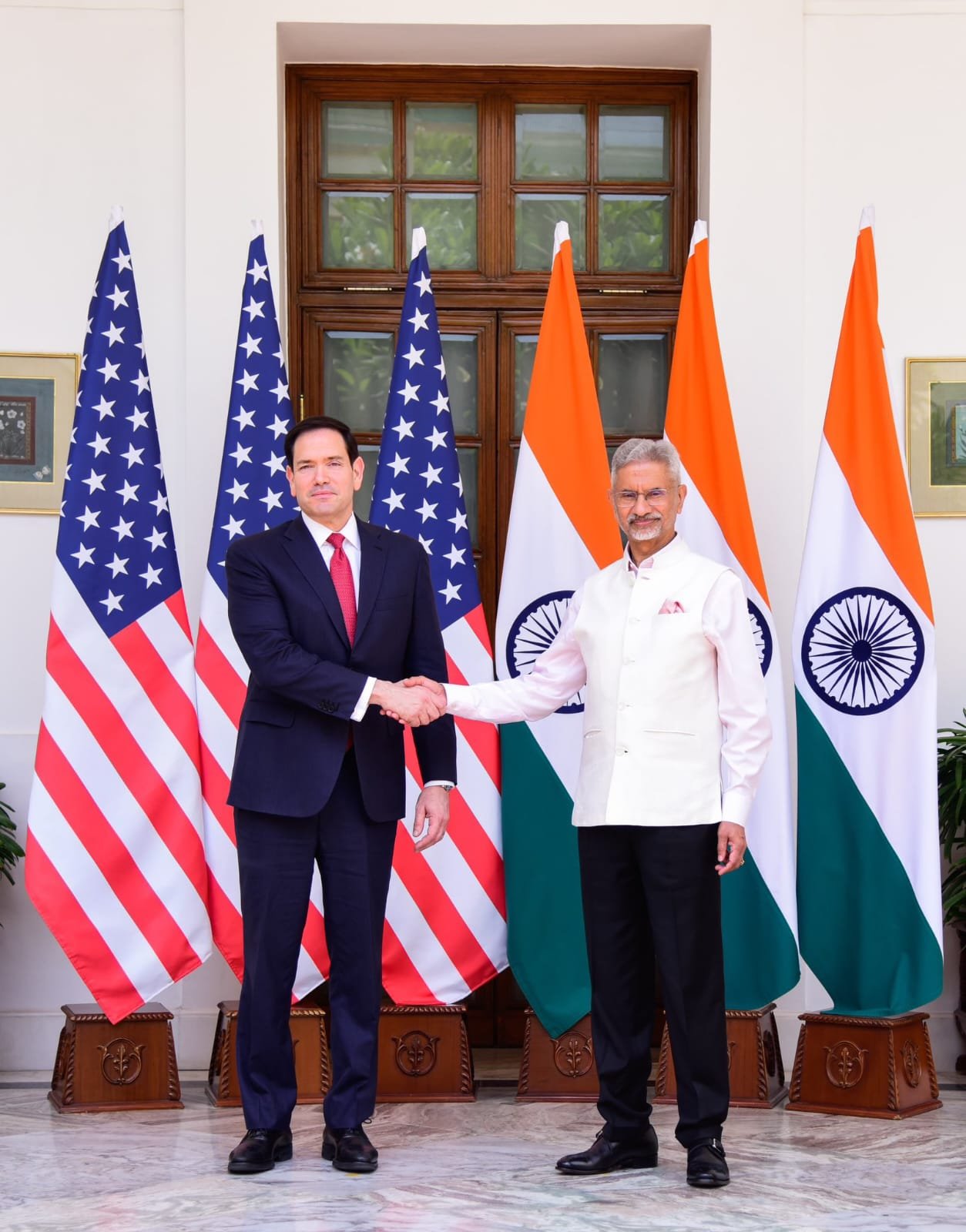
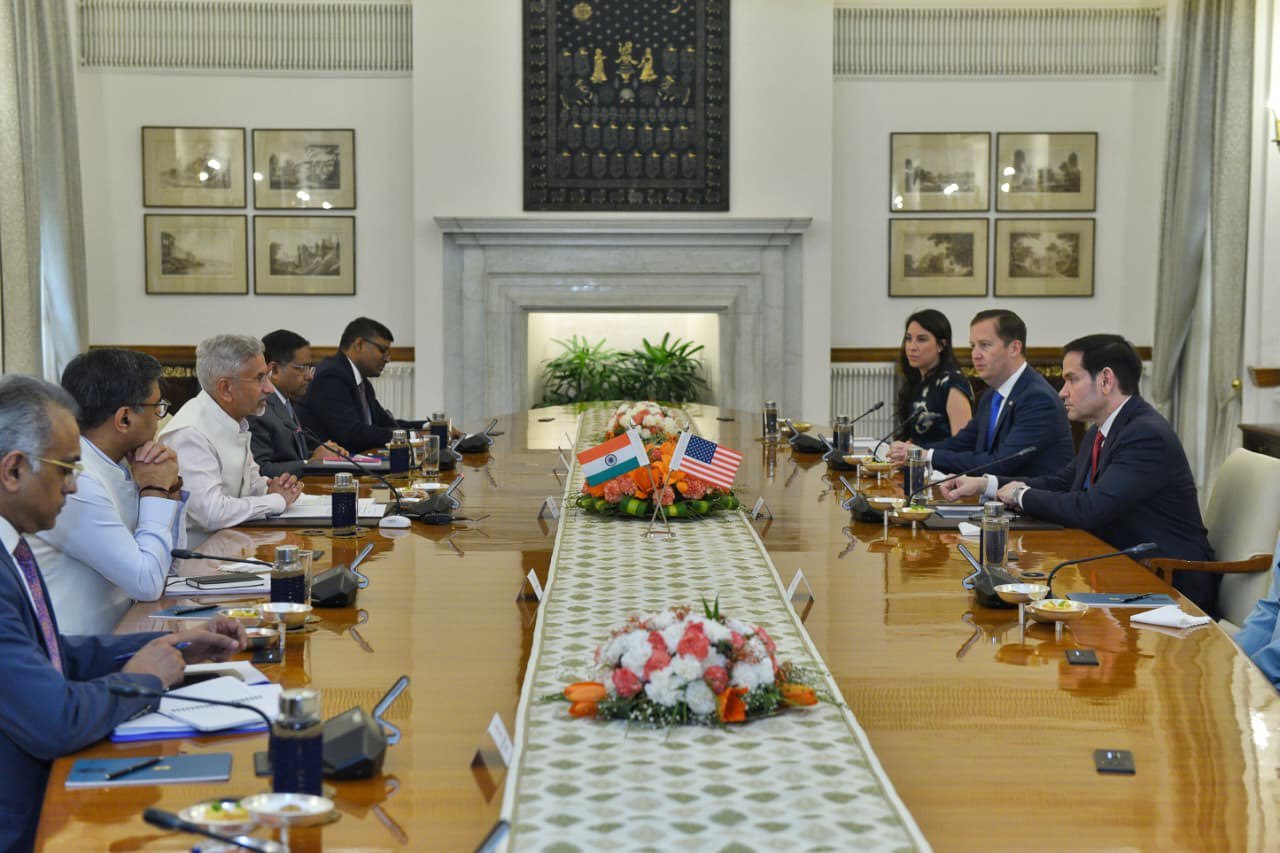
While acknowledging differences on some issues, the two ministers focused on strengthening cooperation across trade, security, technology, energy and the Indo-Pacific amid an increasingly volatile global environment.
Mr Rubio clarified that the changes “whether trade tariffs or visa curbs” were not targeted at India, but were being applied globally. Stressing that the US was in the process of “modernising” its “migration system”, he said there may be “bumps” during this period of transition, but the “destination” would be a more efficient system. He also shared the two sides were “on the verge” of winding up a trade agreement that would be “beneficial to both” and “sustainable”.
The talks were tracked closely in key world capitals as they came at a time of heightened tensions in West Asia, continuing global economic uncertainty and emerging concerns over supply chain resilience and maritime security. The two ministers projected a clear political message that India and the United States remain committed to expanding strategic cooperation despite occasional differences on trade and regional issues.
Mr Jaishankar underlined the growing strategic weight of bilateral ties, stating that “the India-US partnership today is among the most consequential relationships shaping the contemporary world.” He added that both countries were “working with greater confidence and greater ambition” in areas ranging from defence and emerging technologies to critical minerals and clean energy.
Mr Rubio echoed the sentiment, describing India as “an indispensable partner for America in the Indo-Pacific century.” Stressing Washington’s long-term commitment to ties with New Delhi, he said, “The United States sees India not merely as a regional power, but as a global power whose rise contributes to stability, prosperity and balance in the international system.”
The deteriorating security situation in West Asia, particularly concerns surrounding Iran and the Strait of Hormuz, figured prominently in the tRubio acknowledged ongoing diplomatic efforts to reduce tensions and said there had been “important progress” in conversations aimed at avoiding wider escalation. Jaishankar, meanwhile, highlighted India’s direct stake in regional stability given its dependence on energy imports and maritime trade routes passing through the Gulf.
“The stability of sea lanes and uninterrupted energy flows are of vital importance to India and to the global economy,” Jaishankar remarked, reiterating New Delhi’s longstanding preference for diplomacy and dialogue over military confrontation.
The leaders also reviewed developments in the Indo-Pacific, where both countries continue to deepen strategic coordination through the Quad framework involving India, the United States, Japan and Australia. Rubio reaffirmed American support for a “free, open and inclusive Indo-Pacific,” while Jaishankar stressed the importance of ensuring respect for international law, sovereignty and freedom of navigation.
It’s economics, stupid!
Trade and economic cooperation emerged as another key pillar of the discussions. Recent months have witnessed friction over tariffs and market access issues, but both sides appeared keen to prevent economic disagreements from overshadowing the larger strategic partnership. Mr Rubio indicated that Washington wanted “deeper and fairer economic engagement” with India and expressed optimism regarding ongoing trade negotiations.
Mr Jaishankar pointed out that India-US economic ties were entering a new phase driven by technology partnerships, resilient supply chains and advanced manufacturing. Discussions reportedly focused heavily on semiconductors, artificial intelligence, clean energy transitions and critical minerals, sectors increasingly viewed as central to geopolitical competition and economic security.
“Trusted and diversified supply chains are no longer merely economic issues; they are strategic necessities,” he said. He added that India was positioning itself as a reliable manufacturing and innovation partner for democratic economies.
Critical Minerals
Critical minerals cooperation figured prominently in the talks as both nations seek to reduce excessive dependence on China-dominated supply chains for rare earths and advanced technologies. Officials also discussed collaboration in battery manufacturing, renewable energy infrastructure and next-generation digital ecosystems.
Defence and security cooperation also received significant attention. Both leaders reaffirmed commitments to expand military interoperability, intelligence sharing and defence industrial partnerships. The India-US defence relationship has witnessed remarkable growth over the past decade, with increasing joint exercises, technology transfers and procurement agreements.
Counter-terrorism cooperation remained another important theme. Mr Jaishankar reiterated India’s “zero tolerance” approach towards terrorism and called for stronger international action against terror financing and extremist networks. Rubio backed closer intelligence and security coordination, stating that “terrorism continues to pose a threat not just to one region, but to the rules-based international order itself.”
Migration and mobility issues also surfaced during discussions, particularly concerns affecting Indian professionals and students in the United States. Rubio acknowledged the importance of people-to-people ties and suggested that Washington was examining ways to improve visa processing systems and academic exchanges.
The optics of Rubio’s visit were closely watched by strategic observers in both capitals. Over the past year, India-US relations have encountered moments of strain over trade policies, differences regarding Russia and questions surrounding Washington’s regional outreach. The talks therefore served as an important exercise in restoring momentum and reinforcing political trust.
Mr Rubio repeatedly emphasised that the United States viewed India as central to its long-term Indo-Pacific strategy. “The future of this century will be shaped significantly by what democracies like India and the United States build together,” he said.
For India, the engagement reflected New Delhi’s continued strategy of maintaining strategic autonomy while simultaneously expanding partnerships with major powers. Mr Jaishankar carefully balanced deeper cooperation with assertions of independent decision-making, a hallmark of India’s foreign policy under Prime Minister Narendra Modi.
The big message coming out of the Jaishankar-Rubio talks highlighted a shared recognition that despite tactical disagreements, the broader India-US partnership remains strategically indispensable. Shared concerns over China’s assertiveness, economic security, technological competition and maritime stability continue to provide a powerful foundation for closer ties.
(Portia Conrad contributed inputs for this article)


India, US focus on restoring trust, strategic convergence
All issues were discussed threadbare – from trade tariffs to visa restrictions and changes in immigration policies, racist attacks directed at Indians in the US to Washington’s perceived pivot towards Islamabad.
Addressing a press conference with External Affairs Minister S Jaishankar, US Secretary of State Marco Rubio framed the India-US partnership, as “a strategic alliance between two countries that have global influence and the ability to influence global events.” In his sincere tone, Rubio assured that the bilateral relationship between India and the US continues to be strong and has not lost any momentum.
“There are only a handful of countries in the world that have both the economic and diplomatic power to be influential on strategic issues from a global perspective, and India is one of them, which is what adds the finishing touches on the importance of the strategic alliance…we have a strategic alliance between the US and India, it’s a strategic alliance between two countries that have global influence and the ability to influence global events, and that distinguishes it from other relationships,” Rubio said.
While acknowledging differences on some issues, the two ministers focused on strengthening cooperation across trade, security, technology, energy and the Indo-Pacific amid an increasingly volatile global environment.
Mr Rubio clarified that the changes “whether trade tariffs or visa curbs” were not targeted at India, but were being applied globally. Stressing that the US was in the process of “modernising” its “migration system”, he said there may be “bumps” during this period of transition, but the “destination” would be a more efficient system. He also shared the two sides were “on the verge” of winding up a trade agreement that would be “beneficial to both” and “sustainable”.
The talks were tracked closely in key world capitals as they came at a time of heightened tensions in West Asia, continuing global economic uncertainty and emerging concerns over supply chain resilience and maritime security. The two ministers projected a clear political message that India and the United States remain committed to expanding strategic cooperation despite occasional differences on trade and regional issues.
Mr Jaishankar underlined the growing strategic weight of bilateral ties, stating that “the India-US partnership today is among the most consequential relationships shaping the contemporary world.” He added that both countries were “working with greater confidence and greater ambition” in areas ranging from defence and emerging technologies to critical minerals and clean energy.
Mr Rubio echoed the sentiment, describing India as “an indispensable partner for America in the Indo-Pacific century.” Stressing Washington’s long-term commitment to ties with New Delhi, he said, “The United States sees India not merely as a regional power, but as a global power whose rise contributes to stability, prosperity and balance in the international system.”
The deteriorating security situation in West Asia, particularly concerns surrounding Iran and the Strait of Hormuz, figured prominently in the tRubio acknowledged ongoing diplomatic efforts to reduce tensions and said there had been “important progress” in conversations aimed at avoiding wider escalation. Jaishankar, meanwhile, highlighted India’s direct stake in regional stability given its dependence on energy imports and maritime trade routes passing through the Gulf.
“The stability of sea lanes and uninterrupted energy flows are of vital importance to India and to the global economy,” Jaishankar remarked, reiterating New Delhi’s longstanding preference for diplomacy and dialogue over military confrontation.
The leaders also reviewed developments in the Indo-Pacific, where both countries continue to deepen strategic coordination through the Quad framework involving India, the United States, Japan and Australia. Rubio reaffirmed American support for a “free, open and inclusive Indo-Pacific,” while Jaishankar stressed the importance of ensuring respect for international law, sovereignty and freedom of navigation.
It’s economics, stupid!
Trade and economic cooperation emerged as another key pillar of the discussions. Recent months have witnessed friction over tariffs and market access issues, but both sides appeared keen to prevent economic disagreements from overshadowing the larger strategic partnership. Mr Rubio indicated that Washington wanted “deeper and fairer economic engagement” with India and expressed optimism regarding ongoing trade negotiations.
Mr Jaishankar pointed out that India-US economic ties were entering a new phase driven by technology partnerships, resilient supply chains and advanced manufacturing. Discussions reportedly focused heavily on semiconductors, artificial intelligence, clean energy transitions and critical minerals, sectors increasingly viewed as central to geopolitical competition and economic security.
“Trusted and diversified supply chains are no longer merely economic issues; they are strategic necessities,” he said. He added that India was positioning itself as a reliable manufacturing and innovation partner for democratic economies.
Critical Minerals
Critical minerals cooperation figured prominently in the talks as both nations seek to reduce excessive dependence on China-dominated supply chains for rare earths and advanced technologies. Officials also discussed collaboration in battery manufacturing, renewable energy infrastructure and next-generation digital ecosystems.
Defence and security cooperation also received significant attention. Both leaders reaffirmed commitments to expand military interoperability, intelligence sharing and defence industrial partnerships. The India-US defence relationship has witnessed remarkable growth over the past decade, with increasing joint exercises, technology transfers and procurement agreements.
Counter-terrorism cooperation remained another important theme. Mr Jaishankar reiterated India’s “zero tolerance” approach towards terrorism and called for stronger international action against terror financing and extremist networks. Rubio backed closer intelligence and security coordination, stating that “terrorism continues to pose a threat not just to one region, but to the rules-based international order itself.”
Migration and mobility issues also surfaced during discussions, particularly concerns affecting Indian professionals and students in the United States. Rubio acknowledged the importance of people-to-people ties and suggested that Washington was examining ways to improve visa processing systems and academic exchanges.
The optics of Rubio’s visit were closely watched by strategic observers in both capitals. Over the past year, India-US relations have encountered moments of strain over trade policies, differences regarding Russia and questions surrounding Washington’s regional outreach. The talks therefore served as an important exercise in restoring momentum and reinforcing political trust.
Mr Rubio repeatedly emphasised that the United States viewed India as central to its long-term Indo-Pacific strategy. “The future of this century will be shaped significantly by what democracies like India and the United States build together,” he said.
For India, the engagement reflected New Delhi’s continued strategy of maintaining strategic autonomy while simultaneously expanding partnerships with major powers. Mr Jaishankar carefully balanced deeper cooperation with assertions of independent decision-making, a hallmark of India’s foreign policy under Prime Minister Narendra Modi.
The big message coming out of the Jaishankar-Rubio talks highlighted a shared recognition that despite tactical disagreements, the broader India-US partnership remains strategically indispensable. Shared concerns over China’s assertiveness, economic security, technological competition and maritime stability continue to provide a powerful foundation for closer ties.
(Portia Conrad contributed inputs for this article)
Manish Chand
Related Posts
Modi-Macron bonding: Innovation powers India-France ties
Indian Ocean at Strategic Crossroads
China’s Calculus in the Iran Conflict
Writing a green & blue chapter in India-Norway strategic partnership
A new dawn in India-Nordic partnership
India’s Buddhist Diplomacy in Ladakh
Latest Events
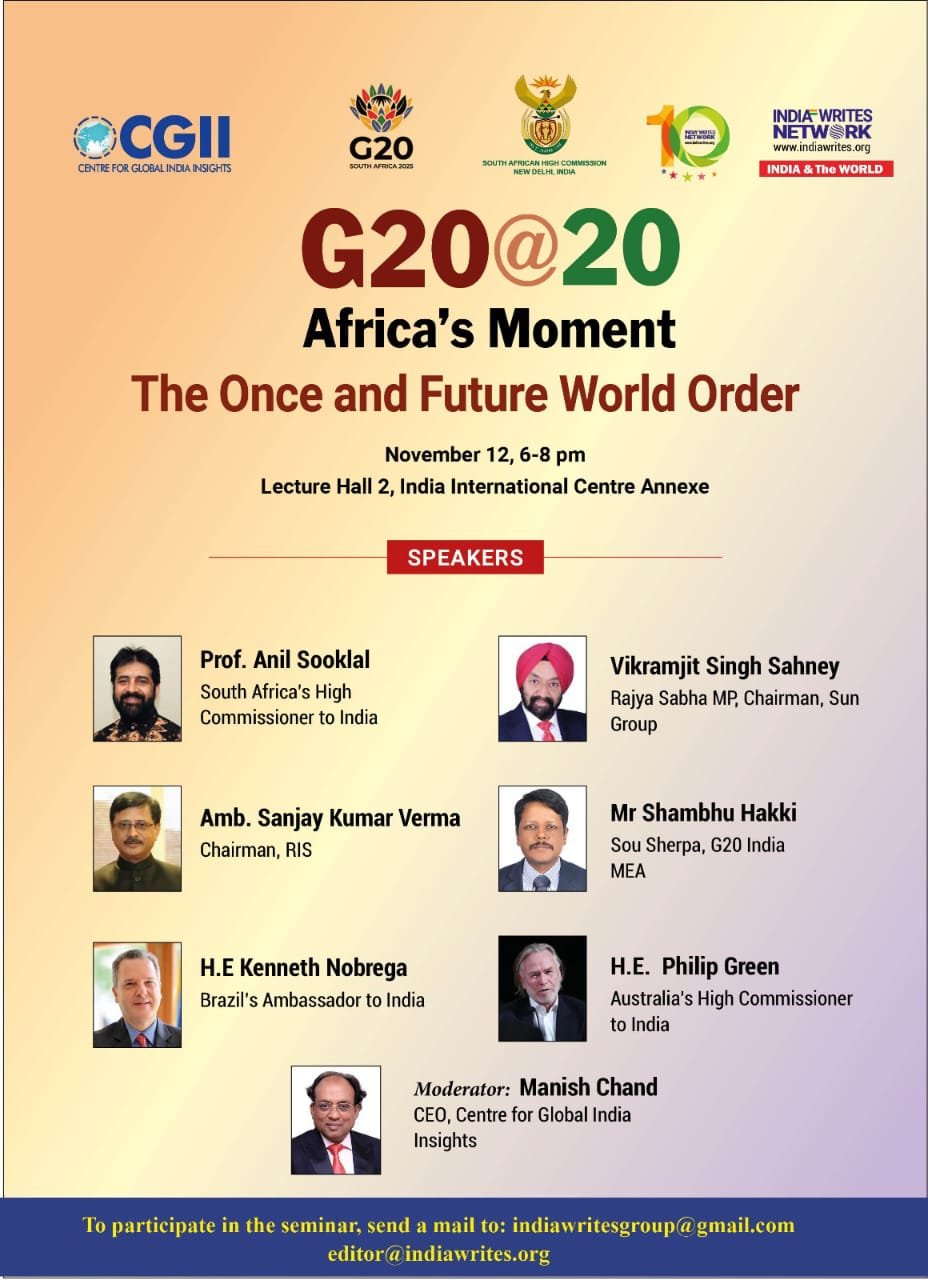
G20@20: Africa’s Moment – The Once and Future World Order
Speakers
Professor Anil Sooklal
Kenneth da Nobrega
Manish Chand
Ambassador Philip Green
sanjay Kumar Verma
Shambhu Hakki
Vikramjit Singh Sahney
MPs, diplomats laud Operation Sindoor, call for national unity to combat Pakistan-sponsored terror
Speakers
Aparajita Sarangi
Brij Lal
Dr Amar Patnaik
Manish Chand
Priyanka Chaturvedi
Sujan Chinoy
Yashvardhan Kumar Sinha
BRICS summit in Rio to focus on Global South, local currency trade
Speakers
Dammu Ravi
Denis Alipov
Ina Hagniningtyas Krisnamurthi
Jyoti Vij
Kamel Zayed Kamel Galal
Kenneth da Nobrega
Manish Chand
Book
India’s G20 Legacy: Shaping a New World Order
Editor: Manish Chand
Pages: 206
Publisher: Pentagon Press LLP
Cover Price: INR 995
In Conversation
PM Modi’s visit to Indonesia will provide a fresh impetus: India’s Ambassador
In The Press
Rescuing G20 from North-South divide: Ubuntu Moment
The Sunday Guardian: India calls for strengthened BRICS cooperation
Daily Excelsior: Ahead BRICS summit in Rio, envoys call for greater focus on combating terrorism
Rediff: BRICS Summit 2024: Focus on National Currencies
Latest From CGII
Modi-Macron bonding: Innovation powers India-France ties
Indian Ocean at Strategic Crossroads
China’s Calculus in the Iran Conflict
Writing a green & blue chapter in India-Norway strategic partnership
A new dawn in India-Nordic partnership
India’s Buddhist Diplomacy in Ladakh
The Journal
India’s G20 Journey – Scaling A New Summit
India’s G20 Moment: Hope, Healing and Harmony