When Prime Minister Narendra Modi landed in Indonesia and Australia before travelling on to New Zealand in July this year, the significance of the journey lay not in the ceremonial welcomes or the agreements emerging from each stop. Taken together with Japanese Prime Minister Sanae Takaichi’s recent visit to India, the tour marked another stage in the quiet but determined reshaping of India’s Indo-Pacific strategy.
At its heart lies an effort to secure India’s maritime lifelines, protect critical supply chains, acquire next-generation technologies and build partnerships that will underpin the country’s economic transformation over the coming decades.
The Indo-Pacific has become the world’s principal strategic and economic theatre. The centre of gravity of global commerce has shifted decisively eastwards. Supply chains stretch across oceans rather than continents, technological leadership has become an instrument of geopolitical influence, and economic resilience is increasingly measured by a country’s ability to withstand disruptions in energy supplies, shipping routes and industrial production. In this changing landscape, India’s foreign policy has acquired a sharper economic and technological focus while retaining its long-standing commitment to strategic autonomy.
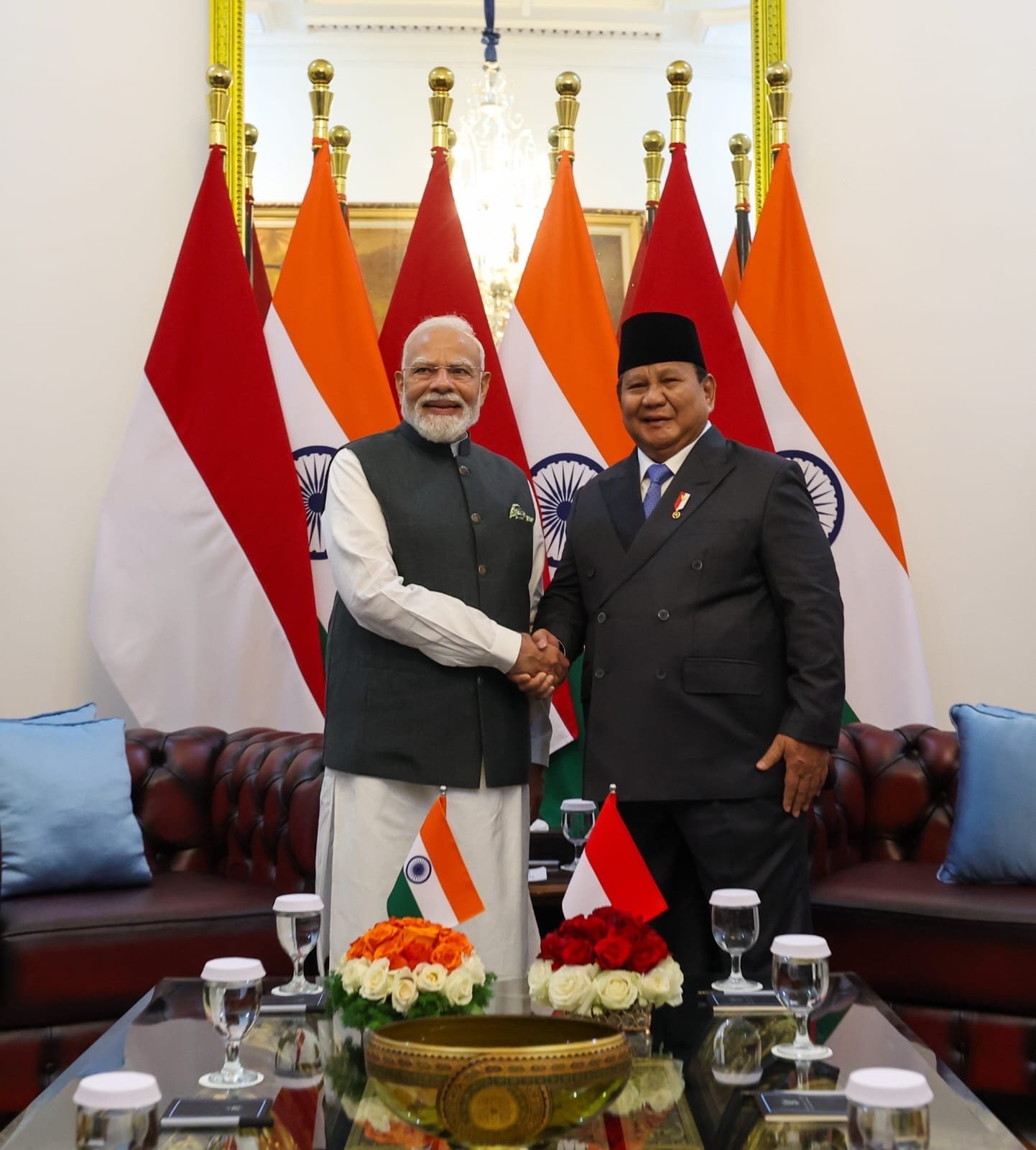
The recent sequence of high-level engagements reflects this evolution. Australia, Japan, Indonesia and New Zealand may appear to represent different corners of the Indo-Pacific, but together they form an arc of partnerships that advances India’s long-term
interests across security, technology, innovation, climate resilience and economic growth. Each relationship contributes a different piece to a much larger strategic puzzle.
For India, geography has always been destiny. Nearly all of its overseas trade travels by sea, while most of its imported crude oil, liquefied natural gas and essential raw materials move through some of the world’s busiest and most vulnerable maritime corridors. From the Strait of Hormuz to the Malacca Strait, these Sea
Lines of Communication have become arteries of the Indian economy. Any prolonged disruption would affect manufacturing, exports, energy supplies and inflation almost immediately.
The pandemic exposed the fragility of global production networks. Conflicts in Europe and West Asia disrupted energy markets and shipping. Increasing tensions in the South China Sea reminded countries that economic prosperity depends as much on secure sea lanes as on competitive industries. For India, maritime security is therefore no longer a purely naval concern. It has become inseparable from economic security.
Why Australia Matters
Australia occupies a central place in thatcalculation. It is one of the world’s most important suppliers of lithium, cobalt, nickel and rare earth elements that will power the industries of the future. India’s ambitions in electric mobility, battery storage, renewable energy, defence manufacturing and semiconductor production all depend upon assured access to these critical minerals.
The relationship has consequently moved well beyond defence cooperation. It now encompasses resilient supply chains, clean energy technologies, cyber security, quantum computing, advanced manufacturing and scientific research. Rather than viewing Australia simply as a supplier of raw materials, India increasingly sees it as a long-term partner in building complete industrial ecosystems.
Defence cooperation has naturally deepened alongside these economic links. Naval exercises, logistics arrangements, maritime domain awareness and closer coordination across the eastern Indian Ocean strengthen the security of commercial shipping while contributing to a stable regional balance. The growing emphasis on co-development and defence manufacturing also reflects India’s determination to reduce external dependence in sensitive sectors.
Arc of Democracies
If Australia supplies strategic resources, Japan provides technological depth. Over the past decade, the India-Japan partnership has expanded far beyond infrastructure projects and high-speed rail. It has matured into one of India’s most comprehensive strategic
relationships, covering semiconductors, digital technologies, artificial intelligence, green hydrogen, resilient supply chains, cyber security and advanced manufacturing. Prime Minister Takaichi’s visit underlined how closely the two countries now view economic security and national security as interconnected challenges. Ports, digital networks, undersea communication cables, semiconductor production and critical technologies are no longer simply commercial assets; they have become instruments of national resilience. Both countries recognise that safeguarding these sectors requires trusted partnerships rather than excessive dependence on any single source.
Indonesia occupies an equally important, though different, place in India’s Indo-Pacific vision. Few countries command such strategic geography. Straddling the Malacca, Sunda and Lombok Straits, Indonesia sits astride the maritime crossroads linking the Indian and Pacific Oceans. Every day, thousands of commercial vessels carrying energy supplies, manufactured goods and industrial inputs pass through these waters.
India’s engagement with Jakarta therefore extends beyond bilateral trade. Maritime cooperation, naval coordination, disaster relief, blue economy initiatives and enhanced connectivity between India’s Andaman and Nicobar Islands and Indonesia’s Aceh region
contribute directly to securing one of the world’s most critical maritime corridors. They also reinforce India’s consistent support for ASEAN’s central role in shaping the Indo-Pacific regional architecture.
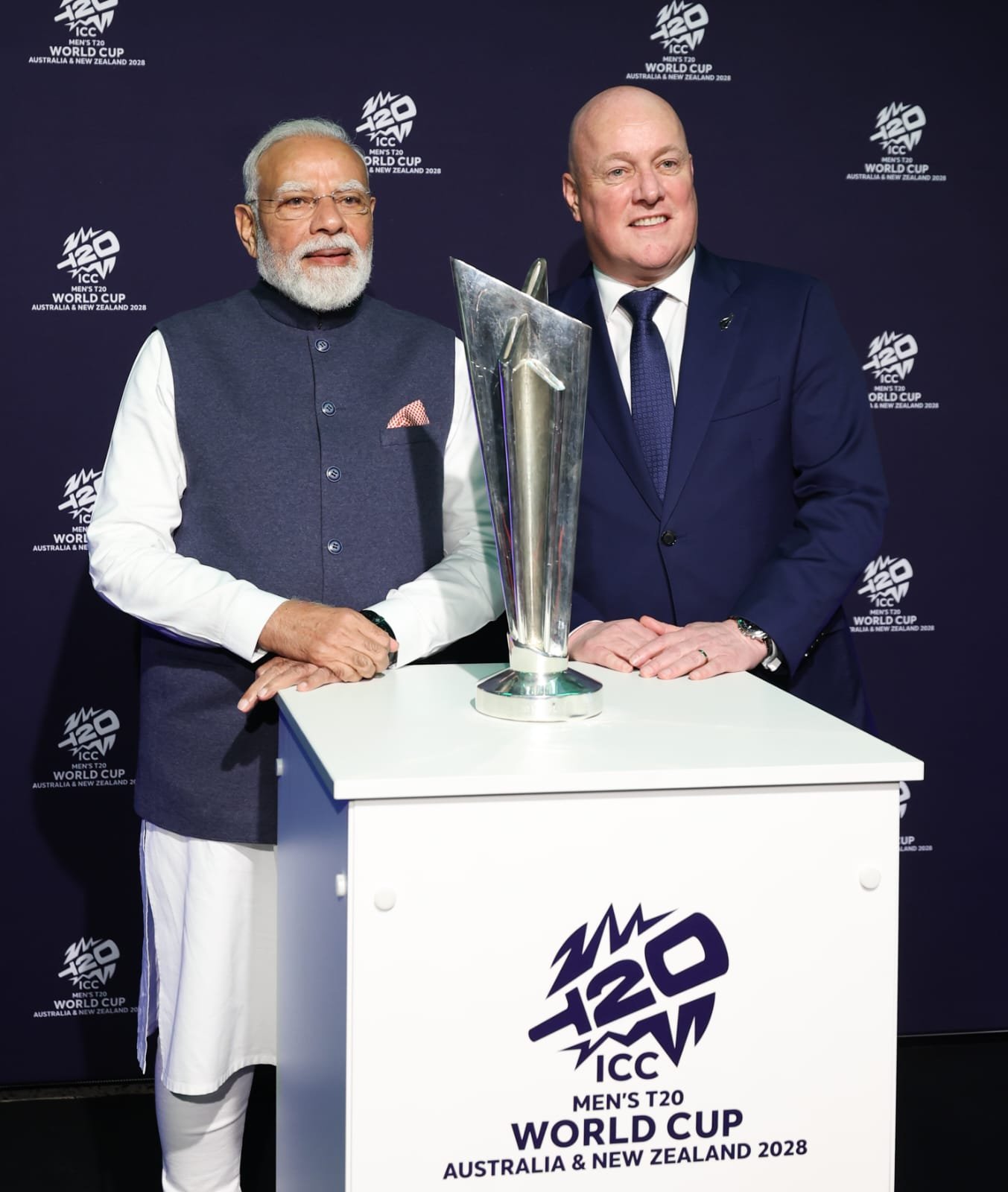
New Zealand adds another, often underestimated, dimension to India’s strategy. While it lacks the geopolitical profile of the larger Indo-Pacific powers, it possesses strengths that align closely with India’s developmental priorities. Agricultural technology, food processing, biotechnology, renewable energy, climate research and higher education are all sectors where cooperation promises long-term dividends.
The Indian diaspora has become a powerful bridge connecting the two societies. Universities, research institutions, start-ups and innovation ecosystems are creating networks that extend far beyond traditional diplomacy. As India seeks to build a knowledge-driven economy, these collaborations assume increasing strategic value.
Viewed individually, each of these relationships serves specific national interests. Viewed collectively, they reveal a coherent strategy centred on technological partnerships and supply chain resilience
The competition shaping the twenty-first century is no longer defined solely by military capabilities. Leadership in semiconductors, artificial intelligence, quantum technologies, biotechnology, robotics, advanced materials and clean energy will increasingly determine economic power and strategic influence. No country, however large, can master every technology independently. Success will depend upon building trusted networks of research, production and innovation.
India’s diplomacy increasingly reflects that reality. The emphasis is shifting from simply attracting investment towards co-developing technologies, sharing innovation, securing access to critical inputs and creating resilient manufacturing ecosystems. These partnerships complement flagship domestic initiatives such as Make in India, Digital India, the Production Linked Incentive schemes and the broader ambition of becoming a developed nation by 2047.
Climate Diplomacy
Australia, Japan, Indonesia, New Zealand and India all confront rising temperatures, increasingly severe weather events and growing pressures on food, water and energy security. Collaboration in renewable energy, green hydrogen, battery storage, sustainable mining and disaster resilience serves both environmental and economic objectives.
India’s leadership of the International Solar Alliance has already demonstrated how climate diplomacy can create new opportunities for industrial cooperation. As solar manufacturing expands, partnerships with countries possessing advanced technologies and reliable access to critical minerals become increasingly important. The clean energy transition is no longer simply an environmental imperative; it is becoming one of the defining industrial transformations of our time.
Strategic Autonomy
What distinguishes India’s Indo-Pacific diplomacy today is that it avoids the language of confrontation. New Delhi is not constructing military alliances or pursuing bloc politics.
Instead, it is weaving together a dense network of partnerships based on shared interests, mutual trust and complementary strengths. This approach allows India to deepen cooperation while preserving the strategic autonomy that has long remained a cornerstone of its foreign policy.
Security itself has acquired a broader meaning. It now encompasses energy security, food security, digital infrastructure, trusted technologies, semiconductor resilience, climate adaptation, maritime commerce and innovation. The countries with which India is strengthening ties are those that can contribute across several of these domains simultaneously.
Prime Minister Modi’s visits to Australia, New Zealand and Indonesia, reinforced by Japan’s expanding strategic partnership with India, therefore represent much more than a busy diplomatic calendar. They illustrate a country preparing systematically for a future in which economic competitiveness,
technological leadership and maritime security will be inseparable. The Indo-Pacific will define the balance of power in the decades ahead. By investing patiently in like-minded partnerships across the region, India is not merely responding to geopolitical change. It is helping shape the strategic landscape in which its own rise will unfold.
Sports Diplomacy
India’s aspiration to host the 2030 Commonwealth Games and the 2036 Olympic Games reflects a growing confidence in its global standing. But hosting world-class sporting events requires much more than impressive stadiums. It demands excellence in coaching, sports science, athlete development, sports medicine, nutrition, performance analytics and event management.
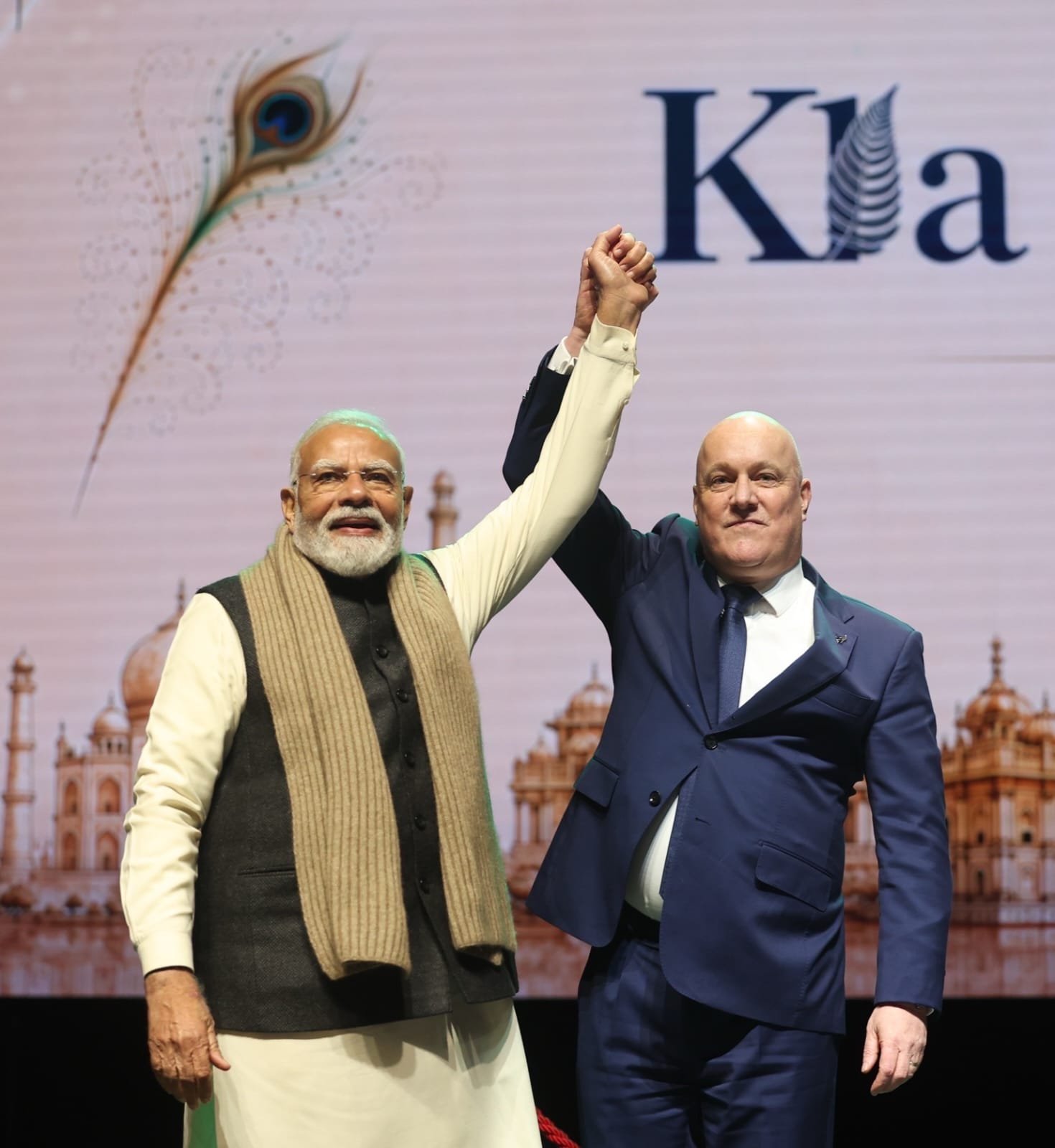
Australia, along with Japan and New Zealand ranks among the world’s leading sporting nations. Its expertise offers India an opportunity to build institutional capacity that can transform Indian sport over the coming decade. Sports diplomacy, often dismissed as symbolic, is increasingly becoming another avenue for knowledge transfer, technological collaboration and international engagement.
Major sporting events also generate broader economic benefits through investments in urban infrastructure, transport, tourism, hospitality and digital services. They project confidence, strengthen national branding and inspire future generations. In that sense, India’s sporting ambitions complement its larger objective of becoming a leading economic and technological power
Amb. Anil Wadhwa served as Secretary (East) in Ministry of External Affairs and was Ambassador of India to Italy & San Marino, Thailand, Oman and Poland & Lithuania. He is a Distinguished Fellow with the Vivekananda International Foundation, and Australia–India Institute. He is the author of CIIs Australia Economic Strategy report. Ambassador Wadhwa is on the Advisory Board of Centre for Global India Insights, a think tank focused on global affairs








Enhancing Indo-Pacific Diplomacy for India’s Rise
When Prime Minister Narendra Modi landed in Indonesia and Australia before travelling on to New Zealand in July this year, the significance of the journey lay not in the ceremonial welcomes or the agreements emerging from each stop. Taken together with Japanese Prime Minister Sanae Takaichi’s recent visit to India, the tour marked another stage in the quiet but determined reshaping of India’s Indo-Pacific strategy.
At its heart lies an effort to secure India’s maritime lifelines, protect critical supply chains, acquire next-generation technologies and build partnerships that will underpin the country’s economic transformation over the coming decades.
The Indo-Pacific has become the world’s principal strategic and economic theatre. The centre of gravity of global commerce has shifted decisively eastwards. Supply chains stretch across oceans rather than continents, technological leadership has become an instrument of geopolitical influence, and economic resilience is increasingly measured by a country’s ability to withstand disruptions in energy supplies, shipping routes and industrial production. In this changing landscape, India’s foreign policy has acquired a sharper economic and technological focus while retaining its long-standing commitment to strategic autonomy.
The recent sequence of high-level engagements reflects this evolution. Australia, Japan, Indonesia and New Zealand may appear to represent different corners of the Indo-Pacific, but together they form an arc of partnerships that advances India’s long-term
interests across security, technology, innovation, climate resilience and economic growth. Each relationship contributes a different piece to a much larger strategic puzzle.
For India, geography has always been destiny. Nearly all of its overseas trade travels by sea, while most of its imported crude oil, liquefied natural gas and essential raw materials move through some of the world’s busiest and most vulnerable maritime corridors. From the Strait of Hormuz to the Malacca Strait, these Sea
Lines of Communication have become arteries of the Indian economy. Any prolonged disruption would affect manufacturing, exports, energy supplies and inflation almost immediately.
The pandemic exposed the fragility of global production networks. Conflicts in Europe and West Asia disrupted energy markets and shipping. Increasing tensions in the South China Sea reminded countries that economic prosperity depends as much on secure sea lanes as on competitive industries. For India, maritime security is therefore no longer a purely naval concern. It has become inseparable from economic security.
Why Australia Matters
Australia occupies a central place in thatcalculation. It is one of the world’s most important suppliers of lithium, cobalt, nickel and rare earth elements that will power the industries of the future. India’s ambitions in electric mobility, battery storage, renewable energy, defence manufacturing and semiconductor production all depend upon assured access to these critical minerals.
The relationship has consequently moved well beyond defence cooperation. It now encompasses resilient supply chains, clean energy technologies, cyber security, quantum computing, advanced manufacturing and scientific research. Rather than viewing Australia simply as a supplier of raw materials, India increasingly sees it as a long-term partner in building complete industrial ecosystems.
Defence cooperation has naturally deepened alongside these economic links. Naval exercises, logistics arrangements, maritime domain awareness and closer coordination across the eastern Indian Ocean strengthen the security of commercial shipping while contributing to a stable regional balance. The growing emphasis on co-development and defence manufacturing also reflects India’s determination to reduce external dependence in sensitive sectors.
Arc of Democracies
If Australia supplies strategic resources, Japan provides technological depth. Over the past decade, the India-Japan partnership has expanded far beyond infrastructure projects and high-speed rail. It has matured into one of India’s most comprehensive strategic
relationships, covering semiconductors, digital technologies, artificial intelligence, green hydrogen, resilient supply chains, cyber security and advanced manufacturing. Prime Minister Takaichi’s visit underlined how closely the two countries now view economic security and national security as interconnected challenges. Ports, digital networks, undersea communication cables, semiconductor production and critical technologies are no longer simply commercial assets; they have become instruments of national resilience. Both countries recognise that safeguarding these sectors requires trusted partnerships rather than excessive dependence on any single source.
Indonesia occupies an equally important, though different, place in India’s Indo-Pacific vision. Few countries command such strategic geography. Straddling the Malacca, Sunda and Lombok Straits, Indonesia sits astride the maritime crossroads linking the Indian and Pacific Oceans. Every day, thousands of commercial vessels carrying energy supplies, manufactured goods and industrial inputs pass through these waters.
India’s engagement with Jakarta therefore extends beyond bilateral trade. Maritime cooperation, naval coordination, disaster relief, blue economy initiatives and enhanced connectivity between India’s Andaman and Nicobar Islands and Indonesia’s Aceh region
contribute directly to securing one of the world’s most critical maritime corridors. They also reinforce India’s consistent support for ASEAN’s central role in shaping the Indo-Pacific regional architecture.
New Zealand adds another, often underestimated, dimension to India’s strategy. While it lacks the geopolitical profile of the larger Indo-Pacific powers, it possesses strengths that align closely with India’s developmental priorities. Agricultural technology, food processing, biotechnology, renewable energy, climate research and higher education are all sectors where cooperation promises long-term dividends.
The Indian diaspora has become a powerful bridge connecting the two societies. Universities, research institutions, start-ups and innovation ecosystems are creating networks that extend far beyond traditional diplomacy. As India seeks to build a knowledge-driven economy, these collaborations assume increasing strategic value.
Viewed individually, each of these relationships serves specific national interests. Viewed collectively, they reveal a coherent strategy centred on technological partnerships and supply chain resilience
The competition shaping the twenty-first century is no longer defined solely by military capabilities. Leadership in semiconductors, artificial intelligence, quantum technologies, biotechnology, robotics, advanced materials and clean energy will increasingly determine economic power and strategic influence. No country, however large, can master every technology independently. Success will depend upon building trusted networks of research, production and innovation.
India’s diplomacy increasingly reflects that reality. The emphasis is shifting from simply attracting investment towards co-developing technologies, sharing innovation, securing access to critical inputs and creating resilient manufacturing ecosystems. These partnerships complement flagship domestic initiatives such as Make in India, Digital India, the Production Linked Incentive schemes and the broader ambition of becoming a developed nation by 2047.
Climate Diplomacy
Australia, Japan, Indonesia, New Zealand and India all confront rising temperatures, increasingly severe weather events and growing pressures on food, water and energy security. Collaboration in renewable energy, green hydrogen, battery storage, sustainable mining and disaster resilience serves both environmental and economic objectives.
India’s leadership of the International Solar Alliance has already demonstrated how climate diplomacy can create new opportunities for industrial cooperation. As solar manufacturing expands, partnerships with countries possessing advanced technologies and reliable access to critical minerals become increasingly important. The clean energy transition is no longer simply an environmental imperative; it is becoming one of the defining industrial transformations of our time.
Strategic Autonomy
What distinguishes India’s Indo-Pacific diplomacy today is that it avoids the language of confrontation. New Delhi is not constructing military alliances or pursuing bloc politics.
Instead, it is weaving together a dense network of partnerships based on shared interests, mutual trust and complementary strengths. This approach allows India to deepen cooperation while preserving the strategic autonomy that has long remained a cornerstone of its foreign policy.
Security itself has acquired a broader meaning. It now encompasses energy security, food security, digital infrastructure, trusted technologies, semiconductor resilience, climate adaptation, maritime commerce and innovation. The countries with which India is strengthening ties are those that can contribute across several of these domains simultaneously.
Prime Minister Modi’s visits to Australia, New Zealand and Indonesia, reinforced by Japan’s expanding strategic partnership with India, therefore represent much more than a busy diplomatic calendar. They illustrate a country preparing systematically for a future in which economic competitiveness,
technological leadership and maritime security will be inseparable. The Indo-Pacific will define the balance of power in the decades ahead. By investing patiently in like-minded partnerships across the region, India is not merely responding to geopolitical change. It is helping shape the strategic landscape in which its own rise will unfold.
Sports Diplomacy
India’s aspiration to host the 2030 Commonwealth Games and the 2036 Olympic Games reflects a growing confidence in its global standing. But hosting world-class sporting events requires much more than impressive stadiums. It demands excellence in coaching, sports science, athlete development, sports medicine, nutrition, performance analytics and event management.
Australia, along with Japan and New Zealand ranks among the world’s leading sporting nations. Its expertise offers India an opportunity to build institutional capacity that can transform Indian sport over the coming decade. Sports diplomacy, often dismissed as symbolic, is increasingly becoming another avenue for knowledge transfer, technological collaboration and international engagement.
Major sporting events also generate broader economic benefits through investments in urban infrastructure, transport, tourism, hospitality and digital services. They project confidence, strengthen national branding and inspire future generations. In that sense, India’s sporting ambitions complement its larger objective of becoming a leading economic and technological power
Amb. Anil Wadhwa served as Secretary (East) in Ministry of External Affairs and was Ambassador of India to Italy & San Marino, Thailand, Oman and Poland & Lithuania. He is a Distinguished Fellow with the Vivekananda International Foundation, and Australia–India Institute. He is the author of CIIs Australia Economic Strategy report. Ambassador Wadhwa is on the Advisory Board of Centre for Global India Insights, a think tank focused on global affairs
Amb. Anil Wadhwa
Related Posts
Diplomatic win for India: BRICS bridges Gulf divide, bats for Global South
Illuminating India’s BRICS moment
With Trump listening in, Iran urges PM Modi to end war with US
India Russia ‘dosti’ in Bishkek: Focus on end of Ukraine war, balanced trade
Uncovering Pakistan: Modi rallies SCO against states that use terror as policy
Modi’s SCO agenda: Shaping a region free of terror, widening arc of prosperity
Latest Events
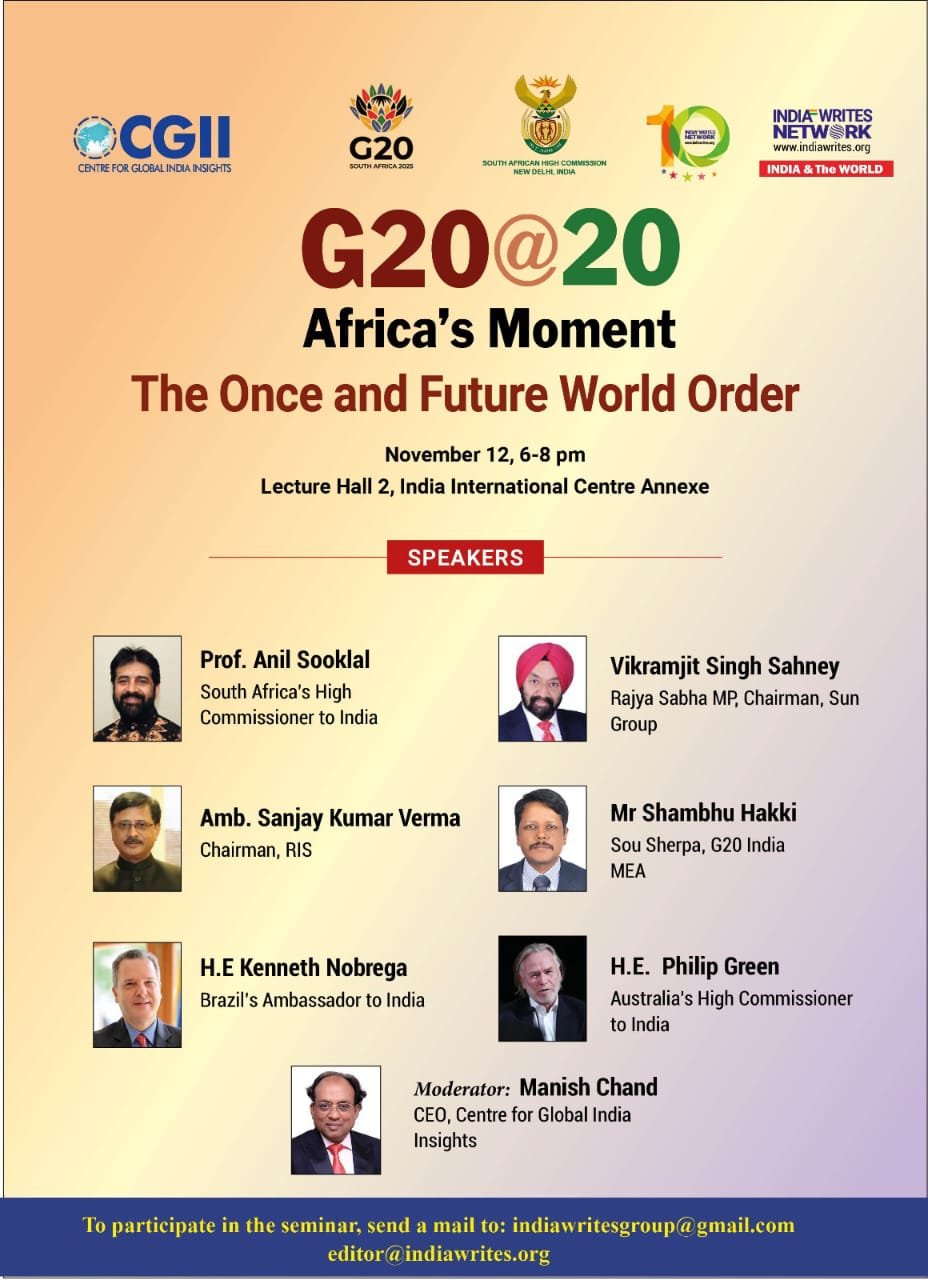
G20@20: Africa’s Moment – The Once and Future World Order
Speakers
Professor Anil Sooklal
Kenneth da Nobrega
Manish Chand
Ambassador Philip Green
Sanjay Kumar Verma
Shambhu Hakki
Vikramjit Singh Sahney
MPs, diplomats laud Operation Sindoor, call for national unity to combat Pakistan-sponsored terror
Speakers
Aparajita Sarangi
Brij Lal
Dr Amar Patnaik
Manish Chand
Priyanka Chaturvedi
Sujan Chinoy
Yashvardhan Kumar Sinha
BRICS summit in Rio to focus on Global South, local currency trade
Speakers
Dammu Ravi
Denis Alipov
Ina Hagniningtyas Krisnamurthi
Jyoti Vij
Kamel Zayed Kamel Galal
Kenneth da Nobrega
Manish Chand
Book
India’s G20 Legacy: Shaping a New World Order
Editor: Manish Chand
Pages: 206
Publisher: Pentagon Press LLP
Cover Price: INR 995
In Conversation
India’s BRICS Chairship Critical for Global South: South Africa’s Envoy
In The Press
Rescuing G20 from North-South divide: Ubuntu Moment
The Sunday Guardian: India calls for strengthened BRICS cooperation
Daily Excelsior: Ahead BRICS summit in Rio, envoys call for greater focus on combating terrorism
Rediff: BRICS Summit 2024: Focus on National Currencies
Latest From CGII
Diplomatic win for India: BRICS bridges Gulf divide, bats for Global South
Illuminating India’s BRICS moment
With Trump listening in, Iran urges PM Modi to end war with US
India Russia ‘dosti’ in Bishkek: Focus on end of Ukraine war, balanced trade
Uncovering Pakistan: Modi rallies SCO against states that use terror as policy
Modi’s SCO agenda: Shaping a region free of terror, widening arc of prosperity
The Journal
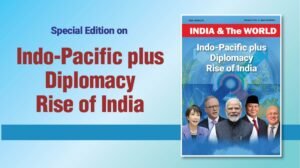
Special Edition on India’s Indo-Pacific plus Diplomacy
India’s G20 Journey – Scaling A New Summit