The successful conclusion of the 18th BRICS Summit in New Delhi gave the Global South a clearer institutional identity. The New Delhi Declaration (NDD), with its 140 paragraphs, covered an exceptionally wide agenda. For Africa, however, the summit’s significance goes beyond the declaration’s length. It lies in the fact that Africa was no longer simply being represented at BRICS. African countries were increasingly helping to shape the agenda.
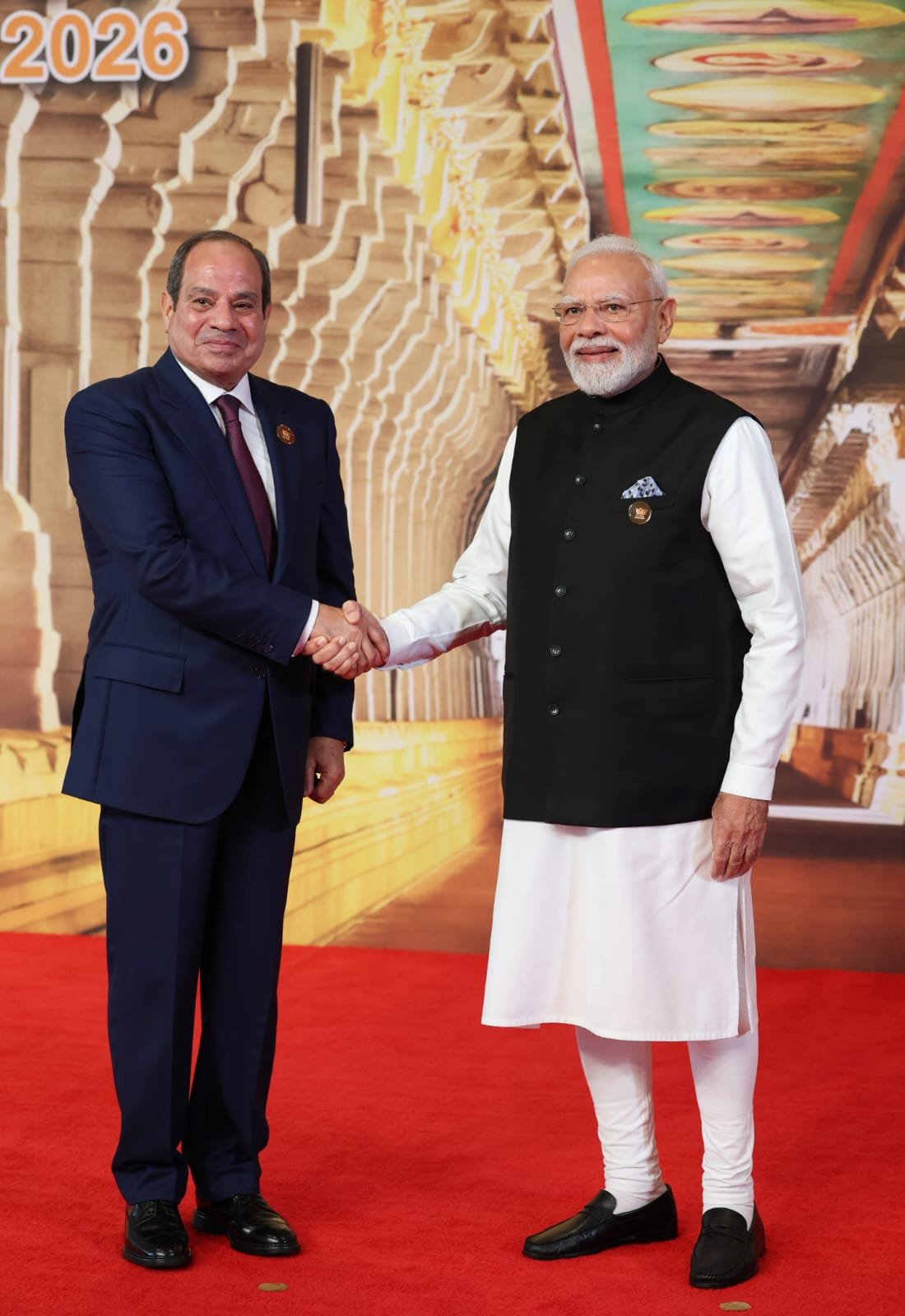
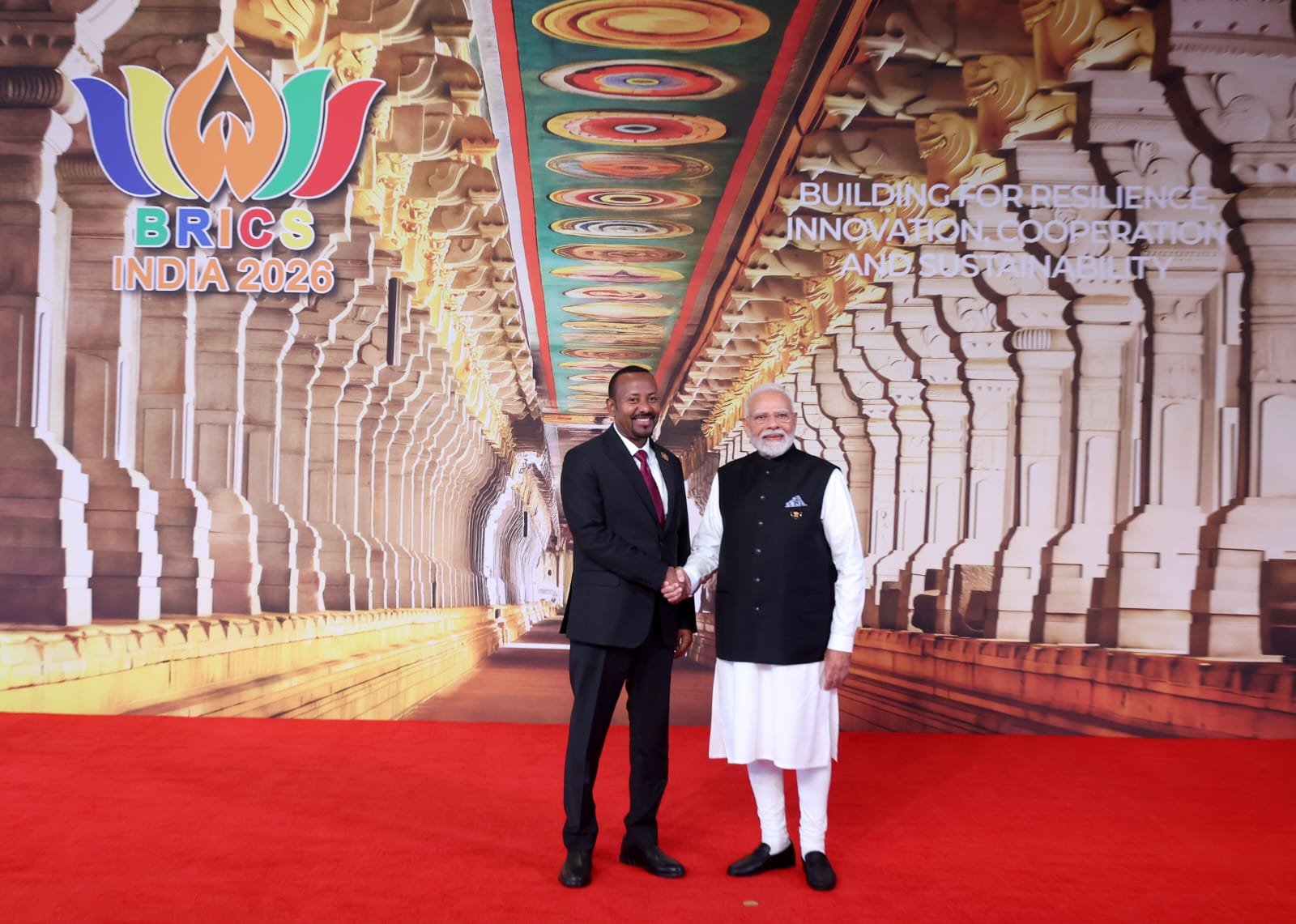
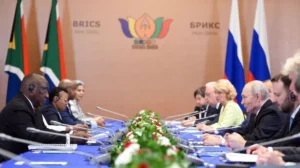
Africa came to New Delhi with a stronger voice than ever before. South Africa, Egypt and Ethiopia are now full BRICS members. South Africa brought experience as a founding BRICS member, while Egypt and Ethiopia represented important African sub-regions. Uganda and Nigeria participated as BRICS partner countries, while Burundi, as Chair of the African Union, attended at the level of President Évariste Ndayishimiye. This was a significant Indian initiative to connect BRICS not only with African countries but also with the institutions and leadership structures of the Global South.
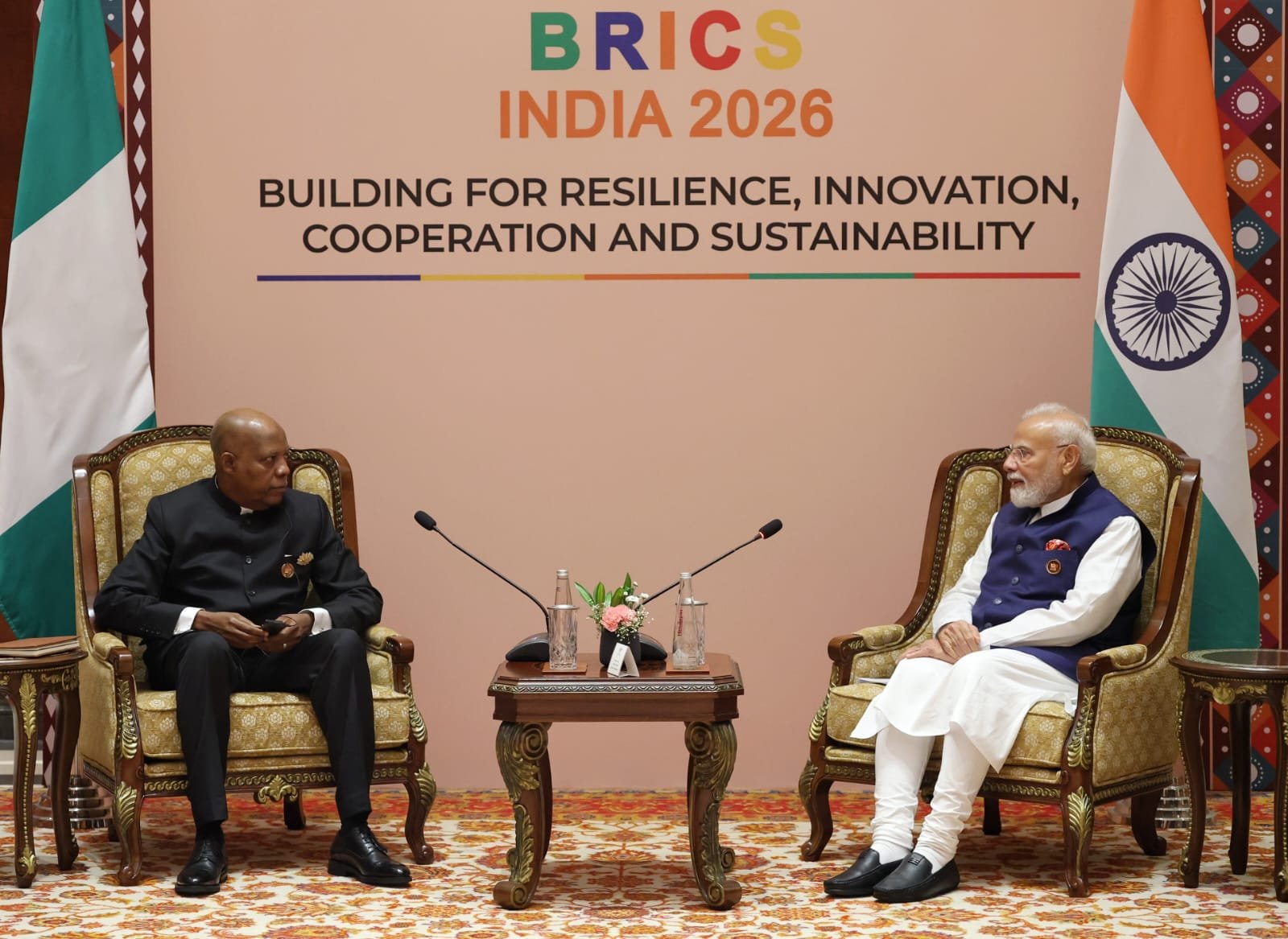
Africa’s political contribution was therefore important. Three African countries now participate in BRICS’ core decision-making process. The NDD explicitly recognises the need for greater participation of emerging and developing countries, particularly from Africa, Asia and Latin America, in global decision-making. It goes further by recognising the legitimate aspirations of African countries as reflected in the Ezulwini Consensus and the Sirte Declaration for greater representation, including in the UN Security Council.
This is perhaps the NDD’s most important political dimension. Africa has long argued that the international system does not adequately reflect its size, population, economic potential or political importance. BRICS now provides another platform to make that argument collectively.
Africa’s BRICS Priorities
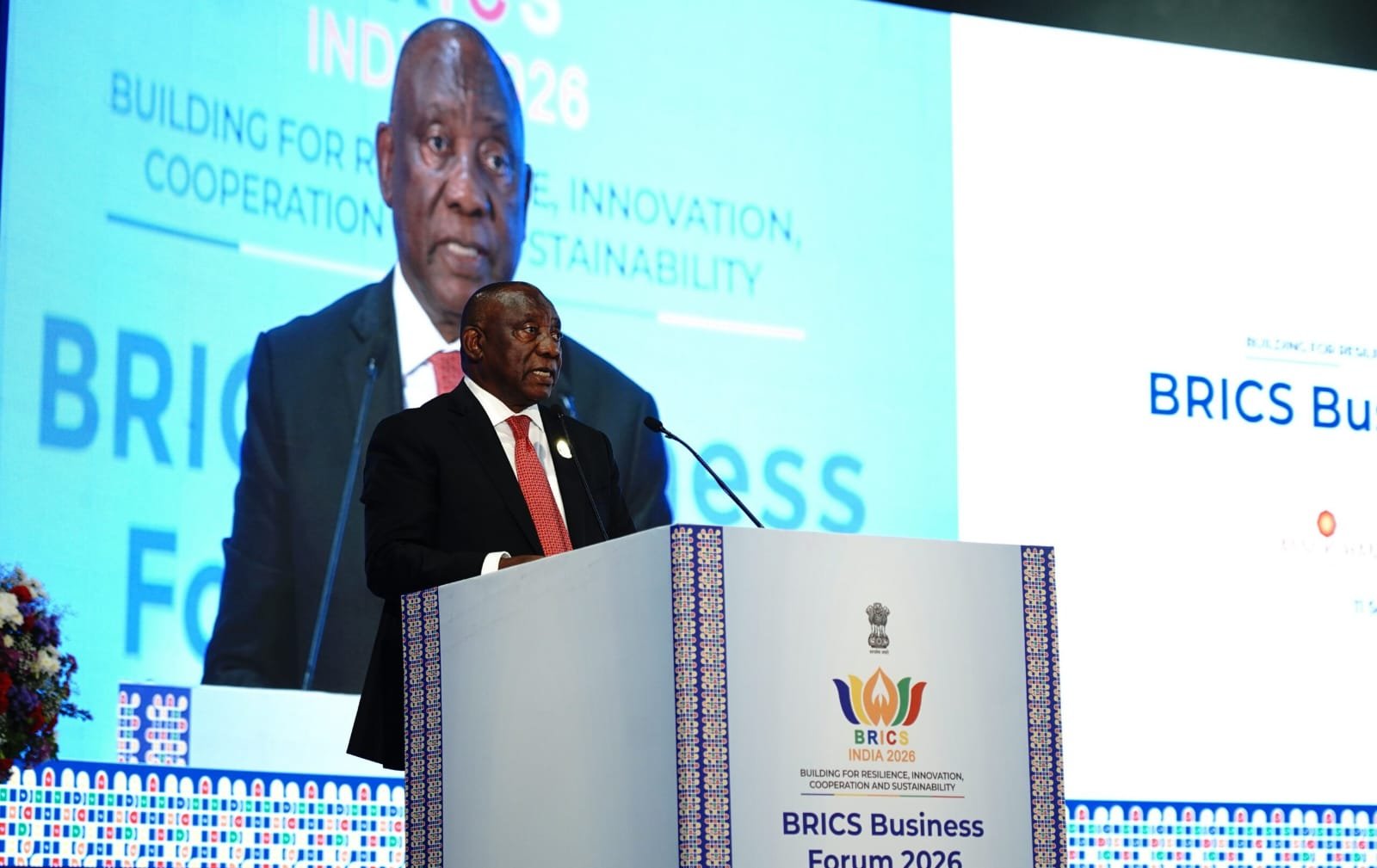
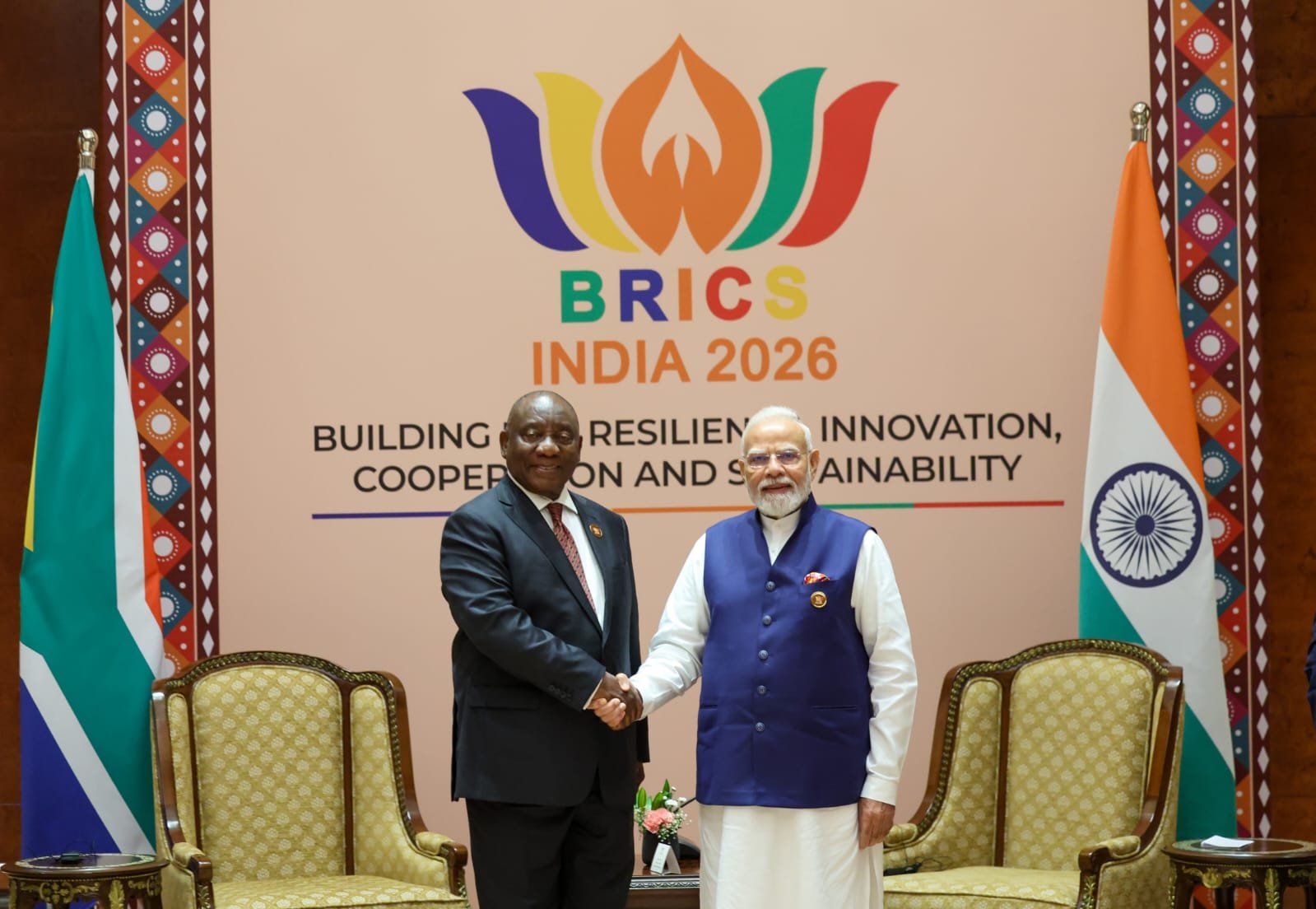
Africa’s BRICS agenda is not only about political representation. It is increasingly about economics, production and ownership. South Africa participated with a clear economic agenda. President Cyril Ramaphosa emphasised greater intra-BRICS trade and investment, African industrialisation, value addition and infrastructure connected with the African Continental Free Trade Area (AfCFTA). Agriculture, supply chains, women-led development, digitalisation and innovation were important elements of the African agenda.
This marks a significant change from the traditional language of Africa as a recipient of development assistance. Africa does not want to simply export minerals and agricultural commodities and import finished products. It wants to process its resources, build manufacturing capacity, participate in global value chains, and capture a larger share of the value generated from its own resources.
The NDD speaks directly to this concern. It calls for equitable participation of developing countries in higher-value segments of global manufacturing and investment, productive capacities, technology transfer, and technical cooperation. It stresses that BRICS global value-chain cooperation should specifically address the difficulties EMDCs face in moving up the value chain.
This has particular relevance for Africa.
Critical minerals Supply Chains
Perhaps nowhere is this more evident than in critical minerals. Africa possesses some of the world’s most important reserves of these, essential for the energy transition and new technologies. Yet Africa often remains at the lower end of the value chain, exporting raw materials while processing, refining and manufacturing take place elsewhere.
The NDD calls for critical-mineral supply chains that are reliable, responsible, diversified, resilient, fair, sustainable and just. More importantly, from an African perspective, it links critical-mineral cooperation with value addition and economic diversification in resource-rich countries.
This could be a significant shift. If BRICS cooperation can help Africa move from mining to processing, and eventually to technology-intensive production, it could contribute to the industrial transformation African countries have sought for decades.
The issue is connected to economic security. Critical minerals are no longer simply commodities. They are strategic assets. Africa has an opportunity to move from being viewed as a source of raw materials to be a participant in the new industrial economy.
The challenge, of course, is implementation. Declarations cannot create processing plants, technology or investment. African countries will need infrastructure, reliable power, skills, finance, technology partnerships and markets. BRICS can provide a framework; the real test will be whether that generates real investment and productive capacity.
Finance and New Development Bank
Finance is another area where Africa can benefit from a stronger BRICS role.
African economies remain vulnerable to high borrowing costs, currency volatility and the constraints of dollar-based financing. The NDD welcomes continuing work on cross-border payment interoperability and settlements using local currencies, while recognising that there can be no single model for all members. The objective is practical: cheaper, faster and more accessible cross-border payments and greater financial resilience.
For Africa, the New Development Bank (NDB) is potentially even more significant. The Declaration describes the NDB as a strategic agent of development and modernisation in the Global South and calls for it to expand its capacity to mobilise resources, diversify funding, expand local-currency financing and support infrastructure, sustainable development, economic integration and projects that reduce inequality.
The NDB already has an African presence through South Africa and Egypt, while Ethiopia is a prospective member. Algeria is a member. The important question is whether the Bank can become a larger source of infrastructure and productive investment for Africa.?
That would fit naturally with Africa’s own development priorities.
Africa’s place in global markets
The NDD supports Ethiopia’s accession to the WTO and recognises the importance of integrating developing countries more fully into the multilateral trading system. It supports Ethiopia and Iran’s WTO accession bids and notes China’s expansion of zero-tariff treatment to 53 African countries with which it has diplomatic relations.
For Africa, the larger issue is market access. The African Continental Free Trade Area is intended to create a market of enormous scale. BRICS countries can provide investment, technology, and market access, but African countries must also export more manufactured and processed goods rather than commodities.
The NDD itself offers an interesting example. It notes the informal BRICS cooperation platform involving African diamond-producing countries and India’s 2026 chairship of the Kimberley Process. The aim is to promote legitimate trade in rough diamonds and sustainable development of the global diamond industry.
Reform of global governance
Africa’s aspirations are not confined to economics. Reforming global institutions remains central. The NDD supports African aspirations under the Ezulwini Consensus and Sirte Declaration. It calls for greater representation of EMDCs in the UN Security Council and stresses that reform should amplify the Global South’s voice.
This gives African countries an additional political platform at a time when UN Security Council reform is increasingly urgent. BRICS cannot reform the UN itself, but it can help build a coalition of countries that supports a more representative system.
The Declaration also links this to the G20. The NDD recalls the African Union’s accession to the G20 during India’s presidency in 2023 and recognises the importance of South Africa as a founding G20 member. The succession of Indonesia, India, Brazil and South Africa in leading the G20 between 2022 and 2025 is presented as an important opportunity to strengthen the voice of emerging and developing countries. The India-Africa partnership, therefore, sits within a much larger architecture of Global South cooperation.
Peace and Security
Africa also brought its security concerns to the BRICS table. The Declaration expresses grave concern about the deteriorating situation in Sudan, calls for an immediate and permanent ceasefire and supports a peaceful resolution through dialogue. Importantly, it reiterates the principle of an “African solution to African problems” and calls for coordination among peace efforts.
The Declaration recognises the importance of cooperation involving African Union peace support operations. This matters because Africa’s security agenda is increasingly linked to questions of financing, peacekeeping, mediation, and regional ownership of conflict resolution.
What did Africa Gain?
The answer is broader than any single announcement.
First, Africa gained voice. Three African countries now sit inside the core BRICS process, while other African states participated as partners and the AU Chair was present at the leaders’ level.
Second, Africa gained political support for its longstanding demand for reform of global governance, including the UN Security Council.
Third, Africa gained an economic framework that speaks directly to its development aspirations: industrialisation, value addition, productive capacity, technology transfer, resilient supply chains and greater participation in global value chains.
Fourth, Africa gained potential financial instruments through a stronger NDB, local-currency financing, and more efficient cross-border payment mechanisms.
Fifth, Africa gained greater recognition of its strategic resources, particularly critical minerals. The language on responsible and diversified mineral supply chains, coupled with value addition and economic diversification, is relevant to Africa’s future.
There is a danger in assuming that a successful summit automatically translates into development gains. The NDD is a framework, not an implementation plan. The real test will be whether African countries can turn BRICS political commitments into investment, infrastructure, technology, and jobs.
A larger question remains about the nature of BRICS itself. With its expansion, BRICS is becoming more diverse and more difficult to manage. Its strength lies in providing a platform where different countries can pursue common interests without requiring complete agreement on every issue. For Africa, this flexibility can be useful.
The New Delhi Summit showed that Africa is no longer simply an object of the Global South conversation. It is increasingly one of its authors. That may ultimately be BRICS’s most significant outcome for Africa. The discussion is moving away from Africa as a recipient of aid towards Africa as a producer, investor, owner of resources, participant in global value chains and advocate of a more representative international order.
The opportunity is considerable. But it will require African countries to negotiate from their collective strength, use the AfCFTA effectively, insist on value addition, attract investment and make fuller use of the institutions that BRICS is building.
The New Delhi Summit has not transformed Africa’s economic position overnight. What it has done is more subtle but potentially more important: it has strengthened the institutional and political space within which Africa can pursue its own development aspirations.
That, in my view, is the real African story of BRICS in New Delhi.

BRICS and Africa: From Representation to a Voice in Shaping the Global South
The successful conclusion of the 18th BRICS Summit in New Delhi gave the Global South a clearer institutional identity. The New Delhi Declaration (NDD), with its 140 paragraphs, covered an exceptionally wide agenda. For Africa, however, the summit’s significance goes beyond the declaration’s length. It lies in the fact that Africa was no longer simply being represented at BRICS. African countries were increasingly helping to shape the agenda.
Africa came to New Delhi with a stronger voice than ever before. South Africa, Egypt and Ethiopia are now full BRICS members. South Africa brought experience as a founding BRICS member, while Egypt and Ethiopia represented important African sub-regions. Uganda and Nigeria participated as BRICS partner countries, while Burundi, as Chair of the African Union, attended at the level of President Évariste Ndayishimiye. This was a significant Indian initiative to connect BRICS not only with African countries but also with the institutions and leadership structures of the Global South.
Africa’s political contribution was therefore important. Three African countries now participate in BRICS’ core decision-making process. The NDD explicitly recognises the need for greater participation of emerging and developing countries, particularly from Africa, Asia and Latin America, in global decision-making. It goes further by recognising the legitimate aspirations of African countries as reflected in the Ezulwini Consensus and the Sirte Declaration for greater representation, including in the UN Security Council.
This is perhaps the NDD’s most important political dimension. Africa has long argued that the international system does not adequately reflect its size, population, economic potential or political importance. BRICS now provides another platform to make that argument collectively.
Africa’s BRICS Priorities
Africa’s BRICS agenda is not only about political representation. It is increasingly about economics, production and ownership. South Africa participated with a clear economic agenda. President Cyril Ramaphosa emphasised greater intra-BRICS trade and investment, African industrialisation, value addition and infrastructure connected with the African Continental Free Trade Area (AfCFTA). Agriculture, supply chains, women-led development, digitalisation and innovation were important elements of the African agenda.
This marks a significant change from the traditional language of Africa as a recipient of development assistance. Africa does not want to simply export minerals and agricultural commodities and import finished products. It wants to process its resources, build manufacturing capacity, participate in global value chains, and capture a larger share of the value generated from its own resources.
The NDD speaks directly to this concern. It calls for equitable participation of developing countries in higher-value segments of global manufacturing and investment, productive capacities, technology transfer, and technical cooperation. It stresses that BRICS global value-chain cooperation should specifically address the difficulties EMDCs face in moving up the value chain.
This has particular relevance for Africa.
Critical minerals Supply Chains
Perhaps nowhere is this more evident than in critical minerals. Africa possesses some of the world’s most important reserves of these, essential for the energy transition and new technologies. Yet Africa often remains at the lower end of the value chain, exporting raw materials while processing, refining and manufacturing take place elsewhere.
This could be a significant shift. If BRICS cooperation can help Africa move from mining to processing, and eventually to technology-intensive production, it could contribute to the industrial transformation African countries have sought for decades.
The issue is connected to economic security. Critical minerals are no longer simply commodities. They are strategic assets. Africa has an opportunity to move from being viewed as a source of raw materials to be a participant in the new industrial economy.
The challenge, of course, is implementation. Declarations cannot create processing plants, technology or investment. African countries will need infrastructure, reliable power, skills, finance, technology partnerships and markets. BRICS can provide a framework; the real test will be whether that generates real investment and productive capacity.
Finance and New Development Bank
Finance is another area where Africa can benefit from a stronger BRICS role.
African economies remain vulnerable to high borrowing costs, currency volatility and the constraints of dollar-based financing. The NDD welcomes continuing work on cross-border payment interoperability and settlements using local currencies, while recognising that there can be no single model for all members. The objective is practical: cheaper, faster and more accessible cross-border payments and greater financial resilience.
For Africa, the New Development Bank (NDB) is potentially even more significant. The Declaration describes the NDB as a strategic agent of development and modernisation in the Global South and calls for it to expand its capacity to mobilise resources, diversify funding, expand local-currency financing and support infrastructure, sustainable development, economic integration and projects that reduce inequality.
The NDB already has an African presence through South Africa and Egypt, while Ethiopia is a prospective member. Algeria is a member. The important question is whether the Bank can become a larger source of infrastructure and productive investment for Africa.?
That would fit naturally with Africa’s own development priorities.
Africa’s place in global markets
The NDD supports Ethiopia’s accession to the WTO and recognises the importance of integrating developing countries more fully into the multilateral trading system. It supports Ethiopia and Iran’s WTO accession bids and notes China’s expansion of zero-tariff treatment to 53 African countries with which it has diplomatic relations.
For Africa, the larger issue is market access. The African Continental Free Trade Area is intended to create a market of enormous scale. BRICS countries can provide investment, technology, and market access, but African countries must also export more manufactured and processed goods rather than commodities.
The NDD itself offers an interesting example. It notes the informal BRICS cooperation platform involving African diamond-producing countries and India’s 2026 chairship of the Kimberley Process. The aim is to promote legitimate trade in rough diamonds and sustainable development of the global diamond industry.
Reform of global governance
Africa’s aspirations are not confined to economics. Reforming global institutions remains central. The NDD supports African aspirations under the Ezulwini Consensus and Sirte Declaration. It calls for greater representation of EMDCs in the UN Security Council and stresses that reform should amplify the Global South’s voice.
This gives African countries an additional political platform at a time when UN Security Council reform is increasingly urgent. BRICS cannot reform the UN itself, but it can help build a coalition of countries that supports a more representative system.
The Declaration also links this to the G20. The NDD recalls the African Union’s accession to the G20 during India’s presidency in 2023 and recognises the importance of South Africa as a founding G20 member. The succession of Indonesia, India, Brazil and South Africa in leading the G20 between 2022 and 2025 is presented as an important opportunity to strengthen the voice of emerging and developing countries. The India-Africa partnership, therefore, sits within a much larger architecture of Global South cooperation.
Peace and Security
Africa also brought its security concerns to the BRICS table. The Declaration expresses grave concern about the deteriorating situation in Sudan, calls for an immediate and permanent ceasefire and supports a peaceful resolution through dialogue. Importantly, it reiterates the principle of an “African solution to African problems” and calls for coordination among peace efforts.
The Declaration recognises the importance of cooperation involving African Union peace support operations. This matters because Africa’s security agenda is increasingly linked to questions of financing, peacekeeping, mediation, and regional ownership of conflict resolution.
What did Africa Gain?
The answer is broader than any single announcement.
First, Africa gained voice. Three African countries now sit inside the core BRICS process, while other African states participated as partners and the AU Chair was present at the leaders’ level.
Second, Africa gained political support for its longstanding demand for reform of global governance, including the UN Security Council.
Third, Africa gained an economic framework that speaks directly to its development aspirations: industrialisation, value addition, productive capacity, technology transfer, resilient supply chains and greater participation in global value chains.
Fourth, Africa gained potential financial instruments through a stronger NDB, local-currency financing, and more efficient cross-border payment mechanisms.
Fifth, Africa gained greater recognition of its strategic resources, particularly critical minerals. The language on responsible and diversified mineral supply chains, coupled with value addition and economic diversification, is relevant to Africa’s future.
A larger question remains about the nature of BRICS itself. With its expansion, BRICS is becoming more diverse and more difficult to manage. Its strength lies in providing a platform where different countries can pursue common interests without requiring complete agreement on every issue. For Africa, this flexibility can be useful.
The New Delhi Summit showed that Africa is no longer simply an object of the Global South conversation. It is increasingly one of its authors. That may ultimately be BRICS’s most significant outcome for Africa. The discussion is moving away from Africa as a recipient of aid towards Africa as a producer, investor, owner of resources, participant in global value chains and advocate of a more representative international order.
The opportunity is considerable. But it will require African countries to negotiate from their collective strength, use the AfCFTA effectively, insist on value addition, attract investment and make fuller use of the institutions that BRICS is building.
The New Delhi Summit has not transformed Africa’s economic position overnight. What it has done is more subtle but potentially more important: it has strengthened the institutional and political space within which Africa can pursue its own development aspirations.
That, in my view, is the real African story of BRICS in New Delhi.
Gurjit Singh
Related Posts
BRICS and Search for Peace in West Asia
Mapping new pathways for enhancing intra-BRICS trade and investment
India at BRICS: Building Bridges in a Fragmented World
India redefining BRICS’ Role in Promoting Tech and Innovation
BRICS: Building a Vibrant Community of People
From Voice to Impact: BRICS and Push for Global Governance Reform
Latest Events
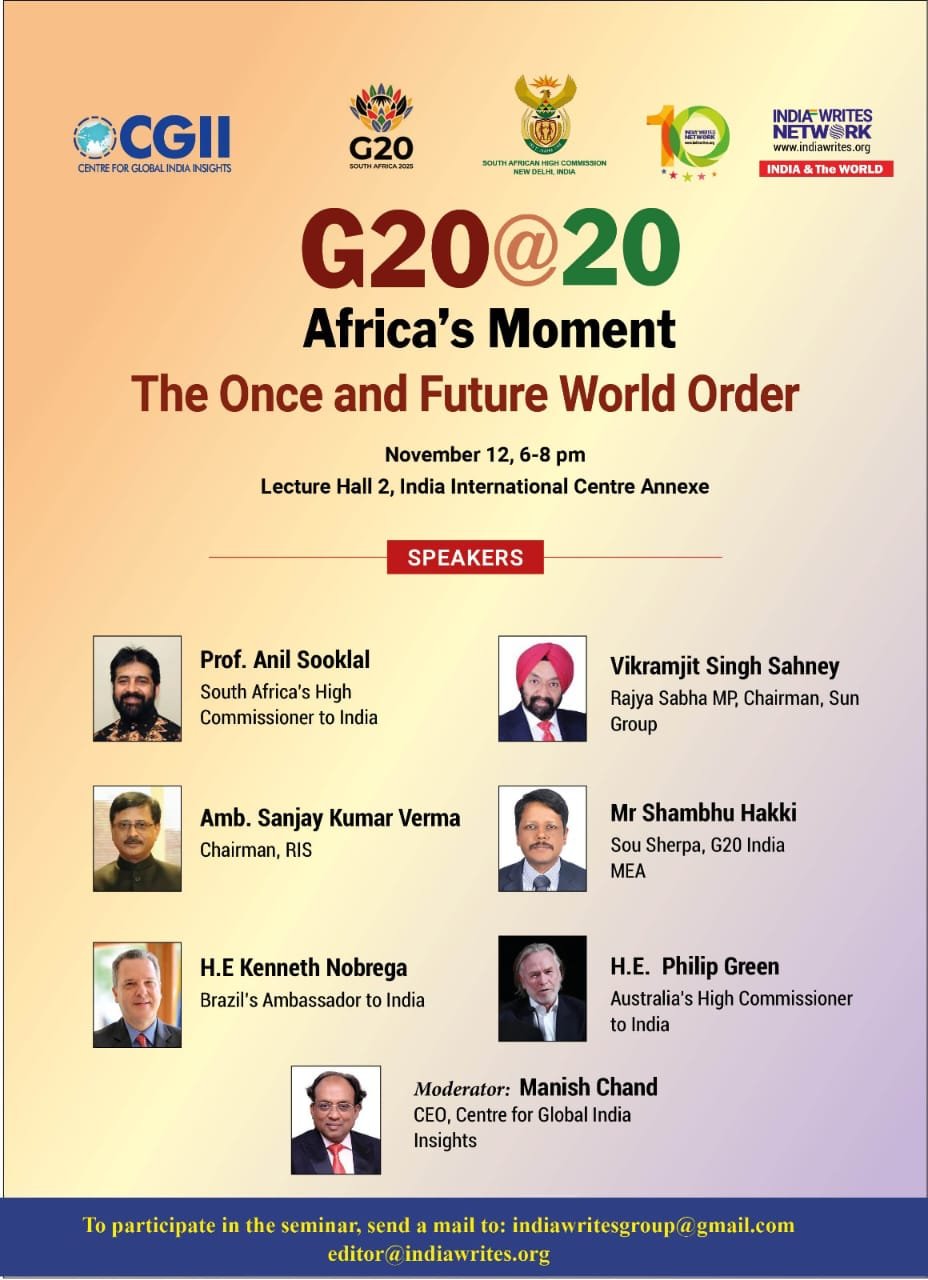
G20@20: Africa’s Moment – The Once and Future World Order
Speakers
Professor Anil Sooklal
Kenneth da Nobrega
Manish Chand
Ambassador Philip Green
Sanjay Kumar Verma
Shambhu Hakki
Vikramjit Singh Sahney
MPs, diplomats laud Operation Sindoor, call for national unity to combat Pakistan-sponsored terror
Speakers
Aparajita Sarangi
Brij Lal
Dr Amar Patnaik
Manish Chand
Priyanka Chaturvedi
Sujan Chinoy
Yashvardhan Kumar Sinha
BRICS summit in Rio to focus on Global South, local currency trade
Speakers
Dammu Ravi
Denis Alipov
Ina Hagniningtyas Krisnamurthi
Jyoti Vij
Kamel Zayed Kamel Galal
Kenneth da Nobrega
Manish Chand
Book
India’s G20 Legacy: Shaping a New World Order
Editor: Manish Chand
Pages: 206
Publisher: Pentagon Press LLP
Cover Price: INR 995
In Conversation
Sanctions create new opportunities, invest in Tatarstan: Taliya Minullina
In The Press
Can BRICS help reshape global order by strengthening emerging economies?
Rescuing G20 from North-South divide: Ubuntu Moment
The Sunday Guardian: India calls for strengthened BRICS cooperation
Daily Excelsior: Ahead BRICS summit in Rio, envoys call for greater focus on combating terrorism
Latest From CGII
BRICS and Search for Peace in West Asia
Mapping new pathways for enhancing intra-BRICS trade and investment
India at BRICS: Building Bridges in a Fragmented World
India redefining BRICS’ Role in Promoting Tech and Innovation
BRICS: Building a Vibrant Community of People
From Voice to Impact: BRICS and Push for Global Governance Reform
The Journal
Special Edition on India’s Indo-Pacific plus Diplomacy
India’s G20 Journey – Scaling A New Summit