Eyewitness accounts of the US-Israel-Iran war are often raw and intense, offering new insights into the unfolding tragedy. Delhi heard one such story recently at a panel discussion on the Gulf war. Recalling vividly the morning of February 28 when the US-Israel combine launched strikes on Iran, Manish Chand shared his experiences of what it was like in Tel Aviv as he negotiated screaming sounds of air raid siren and frequent dash to bunkers to write his dispatches.
“On February 28, I woke up to the sound of screaming sirens announcing the beginning of the US-Israel strikes on Iran. I was sleeping in my hotel room when the siren went off and we all went rushing to the bunker in the basement of the hotel where I was saying in,” said Chand, a well-known journalist and foreign affairs analyst.
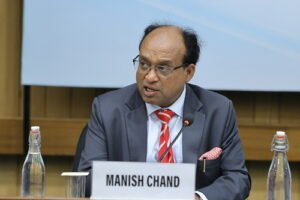
“When I go to the bunker, I find some 300-odd people cooped up there. There were people from at least 20 nationalities in the bunker. Fear was written large on their faces — there was panic, there was a sense of shock that where we are most of the foreigners were there for holiday, but the holiday has turned into a nightmare in an instant,” said Chand, CEO, Centre for Global India Insights and Editor-in-Chief, India Writes Network. He was speaking at a panel discussion titled, “Conflict in the Gulf and Regional Reconfiguration,” organised by India Foundation in New Delhi.
The panel discussion was moderated by Alok Bansal, Executive Vice-President India Foundation. Anil Trigunayat, a former Indian ambassador to Libya and an expert on West Asia, and Indrani Bagchi, CEO, Ananta Centre, also shared their assessments of the war and its consequences for the region and the world.
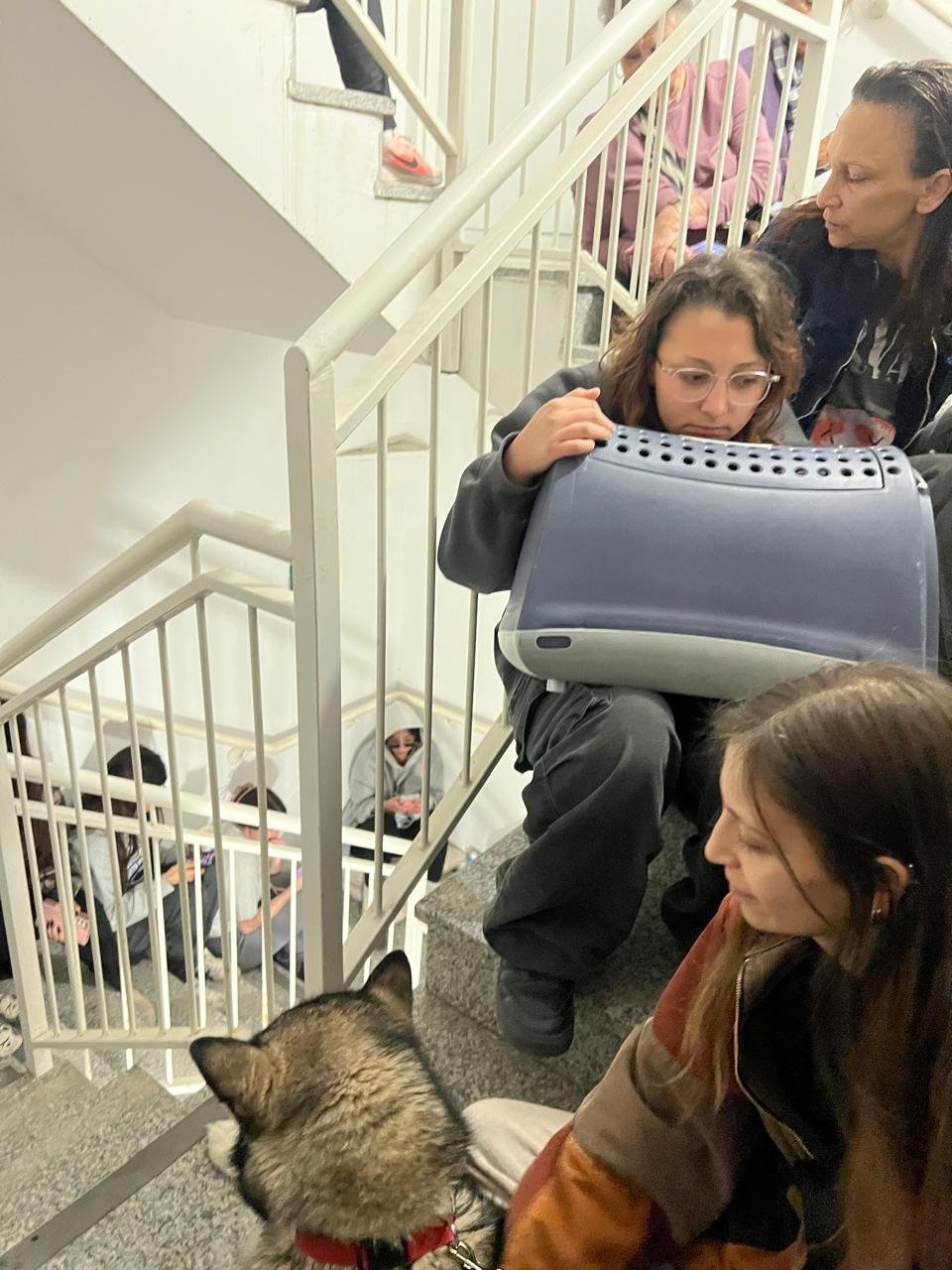
Chand’s reflections offered rare insights into the psychological, political, and societal mood inside Israel during the earliest hours of escalation.
Perhaps the most striking feature of Chand’s account was the absence of shock among Israelis as hostilities unfolded. Conversations in bunkers revealed not panic, but preparedness. Many Israelis, he noted, believed that the war had been long overdue. The prevailing view was that Iran posed an existential threat to Israel, one that could no longer be contained through deterrence alone.
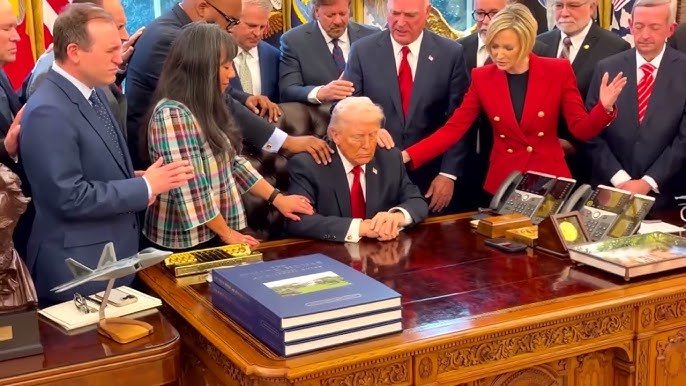
Many Israelis viewed the war as long overdue, rooted in a perception that Iran constituted an existential threat to Israel’s survival. This sense of inevitability had cultivated psychological preparedness within society. Chand noted that the defining moment shaping Israeli sentiment was the 7 October 2025 attacks, widely described by Israelis as the worst national tragedy since the Holocaust. The trauma of that event continued to frame public opinion and legitimize support for decisive military action.
Clash of Civilizations?
Chand also underscored that the war carried strong religious undertones in public discourse. The timing of military action on Sabbath intensified the emotional and symbolic resonance of the conflict. Within segments of Israeli society, religious narratives were increasingly invoked. The historical and theological reference to “Amalek”, a Biblical adversary symbolizing existential enemies, was frequently cited in public rhetoric. This framing cast the conflict as not merely geopolitical, but moral and civilizational.
Similarly, Chand noted parallels in political messaging elsewhere, particularly in the United States, where elements of religious rhetoric, such as references to crusading narratives, surfaced among certain political and religious figures. These patterns reinforced a broader religious framing of conflict, contributing to hardened public attitudes. Among ordinary citizens and tourists taking shelter in bunkers, the dominant sentiment was that the war was not perceived as aggression, but rather as an act of self-defence necessary to eliminate what many described as the “head of the snake.”
Beyond geopolitics, Chand highlighted the deeply human experience of shelter life during the early days of the war. Inside bunkers, a strong sense of collective identity emerged. He described an atmosphere of solidarity and resilience, where individuals from different backgrounds shared space, stories, and emotional reassurance. The phrase “People of Israel live” became a recurring expression of national unity and determination. These interactions underscored how shared adversity often strengthens collective identity, reinforcing public support for prolonged national struggle.
Looking ahead, Chand assessed that the conflict is likely to produce long-term regional polarization. The war is not expected to deliver a swift or decisive end to hostilities. Instead, he suggested the emergence of endless cycles of hostility, punctuated by temporary tactical ceasefires rather than durable peace settlements. The ideological framing of the war, combined with entrenched security anxieties, may deepen divisions across the region. Such dynamics, he argued, are likely to reshape regional alignments and intensify geopolitical rivalries, contributing to a prolonged period of instability.
Manish Chand’s reflections from Tel Aviv provide a rare window into the psychological and societal dimensions of wartime experience. His observations highlight how historical trauma, religious symbolism, and perceptions of existential threat converge to shape public attitudes during conflict. Perhaps most significantly, his account suggests that the unfolding war is not merely a military confrontation, but a transformative moment with the potential to reconfigure regional dynamics, deepen polarization, and redefine collective identities across West Asia.




Eyewitness recalls: US-Israel-Iran war, up close and personal
Eyewitness accounts of the US-Israel-Iran war are often raw and intense, offering new insights into the unfolding tragedy. Delhi heard one such story recently at a panel discussion on the Gulf war. Recalling vividly the morning of February 28 when the US-Israel combine launched strikes on Iran, Manish Chand shared his experiences of what it was like in Tel Aviv as he negotiated screaming sounds of air raid siren and frequent dash to bunkers to write his dispatches.
“On February 28, I woke up to the sound of screaming sirens announcing the beginning of the US-Israel strikes on Iran. I was sleeping in my hotel room when the siren went off and we all went rushing to the bunker in the basement of the hotel where I was saying in,” said Chand, a well-known journalist and foreign affairs analyst.
The panel discussion was moderated by Alok Bansal, Executive Vice-President India Foundation. Anil Trigunayat, a former Indian ambassador to Libya and an expert on West Asia, and Indrani Bagchi, CEO, Ananta Centre, also shared their assessments of the war and its consequences for the region and the world.
Chand’s reflections offered rare insights into the psychological, political, and societal mood inside Israel during the earliest hours of escalation.
Perhaps the most striking feature of Chand’s account was the absence of shock among Israelis as hostilities unfolded. Conversations in bunkers revealed not panic, but preparedness. Many Israelis, he noted, believed that the war had been long overdue. The prevailing view was that Iran posed an existential threat to Israel, one that could no longer be contained through deterrence alone.
Many Israelis viewed the war as long overdue, rooted in a perception that Iran constituted an existential threat to Israel’s survival. This sense of inevitability had cultivated psychological preparedness within society. Chand noted that the defining moment shaping Israeli sentiment was the 7 October 2025 attacks, widely described by Israelis as the worst national tragedy since the Holocaust. The trauma of that event continued to frame public opinion and legitimize support for decisive military action.
Clash of Civilizations?
Chand also underscored that the war carried strong religious undertones in public discourse. The timing of military action on Sabbath intensified the emotional and symbolic resonance of the conflict. Within segments of Israeli society, religious narratives were increasingly invoked. The historical and theological reference to “Amalek”, a Biblical adversary symbolizing existential enemies, was frequently cited in public rhetoric. This framing cast the conflict as not merely geopolitical, but moral and civilizational.
Beyond geopolitics, Chand highlighted the deeply human experience of shelter life during the early days of the war. Inside bunkers, a strong sense of collective identity emerged. He described an atmosphere of solidarity and resilience, where individuals from different backgrounds shared space, stories, and emotional reassurance. The phrase “People of Israel live” became a recurring expression of national unity and determination. These interactions underscored how shared adversity often strengthens collective identity, reinforcing public support for prolonged national struggle.
Looking ahead, Chand assessed that the conflict is likely to produce long-term regional polarization. The war is not expected to deliver a swift or decisive end to hostilities. Instead, he suggested the emergence of endless cycles of hostility, punctuated by temporary tactical ceasefires rather than durable peace settlements. The ideological framing of the war, combined with entrenched security anxieties, may deepen divisions across the region. Such dynamics, he argued, are likely to reshape regional alignments and intensify geopolitical rivalries, contributing to a prolonged period of instability.
Manish Chand’s reflections from Tel Aviv provide a rare window into the psychological and societal dimensions of wartime experience. His observations highlight how historical trauma, religious symbolism, and perceptions of existential threat converge to shape public attitudes during conflict. Perhaps most significantly, his account suggests that the unfolding war is not merely a military confrontation, but a transformative moment with the potential to reconfigure regional dynamics, deepen polarization, and redefine collective identities across West Asia.
Portia Conrad
Related Posts
Empathy and eros in Tel Aviv bunkers
Modi visit: India-Israel partnership enters a new era
Unravelling Modi’s Israel journey: What to expect
India and Indonesia: Advancing an Inclusive AI Future for the Global South
Macron in Mumbai : Shaping the Next Phase of India–France Ties
South-by-South: Focus on people-centric solutions at India AI summit
Latest Events
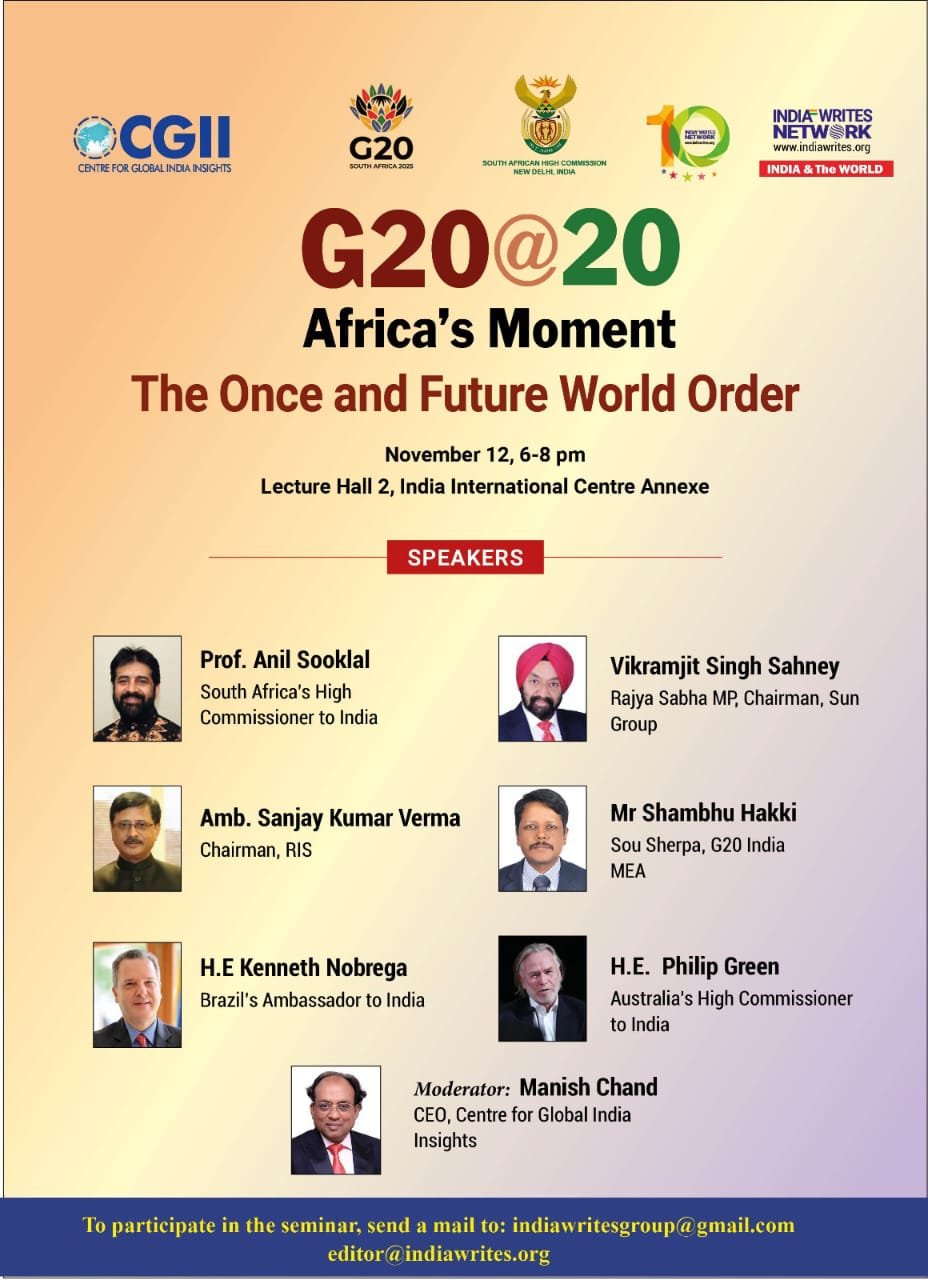
G20@20: Africa’s Moment – The Once and Future World Order
Speakers
Professor Anil Sooklal
Kenneth da Nobrega
Manish Chand
Ambassador Philip Green
sanjay Kumar Verma
Shambhu Hakki
Vikramjit Singh Sahney
MPs, diplomats laud Operation Sindoor, call for national unity to combat Pakistan-sponsored terror
Speakers
Aparajita Sarangi
Brij Lal
Dr Amar Patnaik
Manish Chand
Priyanka Chaturvedi
Sujan Chinoy
Yashvardhan Kumar Sinha
BRICS summit in Rio to focus on Global South, local currency trade
Speakers
Dammu Ravi
Denis Alipov
Ina Hagniningtyas Krisnamurthi
Jyoti Vij
Kamel Zayed Kamel Galal
Kenneth da Nobrega
Manish Chand
Book
India’s G20 Legacy: Shaping a New World Order
Editor: Manish Chand
Pages: 206
Publisher: Pentagon Press LLP
Cover Price: INR 995
In Conversation
India, Israel have to work faster to defeat terrorists: Israel’s Ambassador
In The Press
Rescuing G20 from North-South divide: Ubuntu Moment
The Sunday Guardian: India calls for strengthened BRICS cooperation
Daily Excelsior: Ahead BRICS summit in Rio, envoys call for greater focus on combating terrorism
Rediff: BRICS Summit 2024: Focus on National Currencies
Latest From CGII
Empathy and eros in Tel Aviv bunkers
Modi visit: India-Israel partnership enters a new era
Unravelling Modi’s Israel journey: What to expect
India and Indonesia: Advancing an Inclusive AI Future for the Global South
Macron in Mumbai : Shaping the Next Phase of India–France Ties
South-by-South: Focus on people-centric solutions at India AI summit
The Journal
India’s G20 Journey – Scaling A New Summit
India’s G20 Moment: Hope, Healing and Harmony