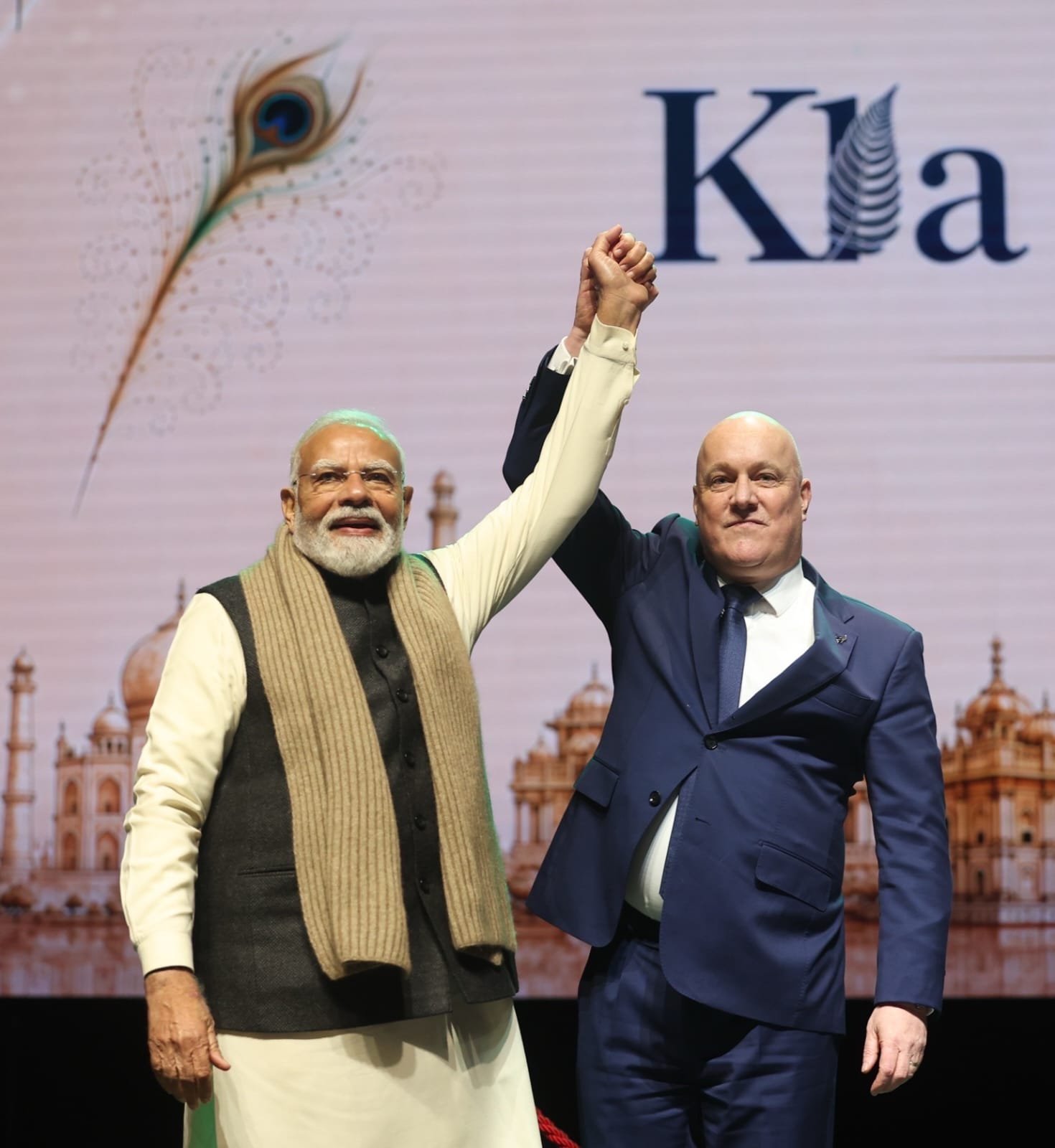
Addressing the large Indian diaspora event ‘Kia Ora Modi’ on July 11, 2026, in Auckland, India’s Prime Minister Narendra Modi invoked the Māori concept of waka to describe the evolving India-New Zealand ties. Waka represents the great ocean-faring vessels that the ancestors of Māori used to navigate to Aotearoa (New Zealand) from Polynesia. The reference to the waka was both symbolically powerful and culturally resonant. For the Māori people, the waka is not merely a canoe; it is the symbol of heritage, identity, and collective journey.
After decades of two countries being friendly but distant, India and New Zealand are now in the same waka travelling together, guided by shared values and a common vision for a peaceful and prosperous Indo-Pacific.
A Historic Visit
Prime Minister Modi’s visit to New Zealand on July 10–11, 2026, marks a watershed in bilateral relations. It was the first visit by an Indian Prime Minister in four decades, the last being Prime Minister Rajiv Gandhi’s visit in October 1986, during which the bilateral Trade Agreement was signed. Since then, there has been Presidential visits from India in 2016 and 2022, while New Zealand Prime Ministers visited India in 2004, 2011 and, most recently, Prime Minister Christopher Luxon in March 2025.
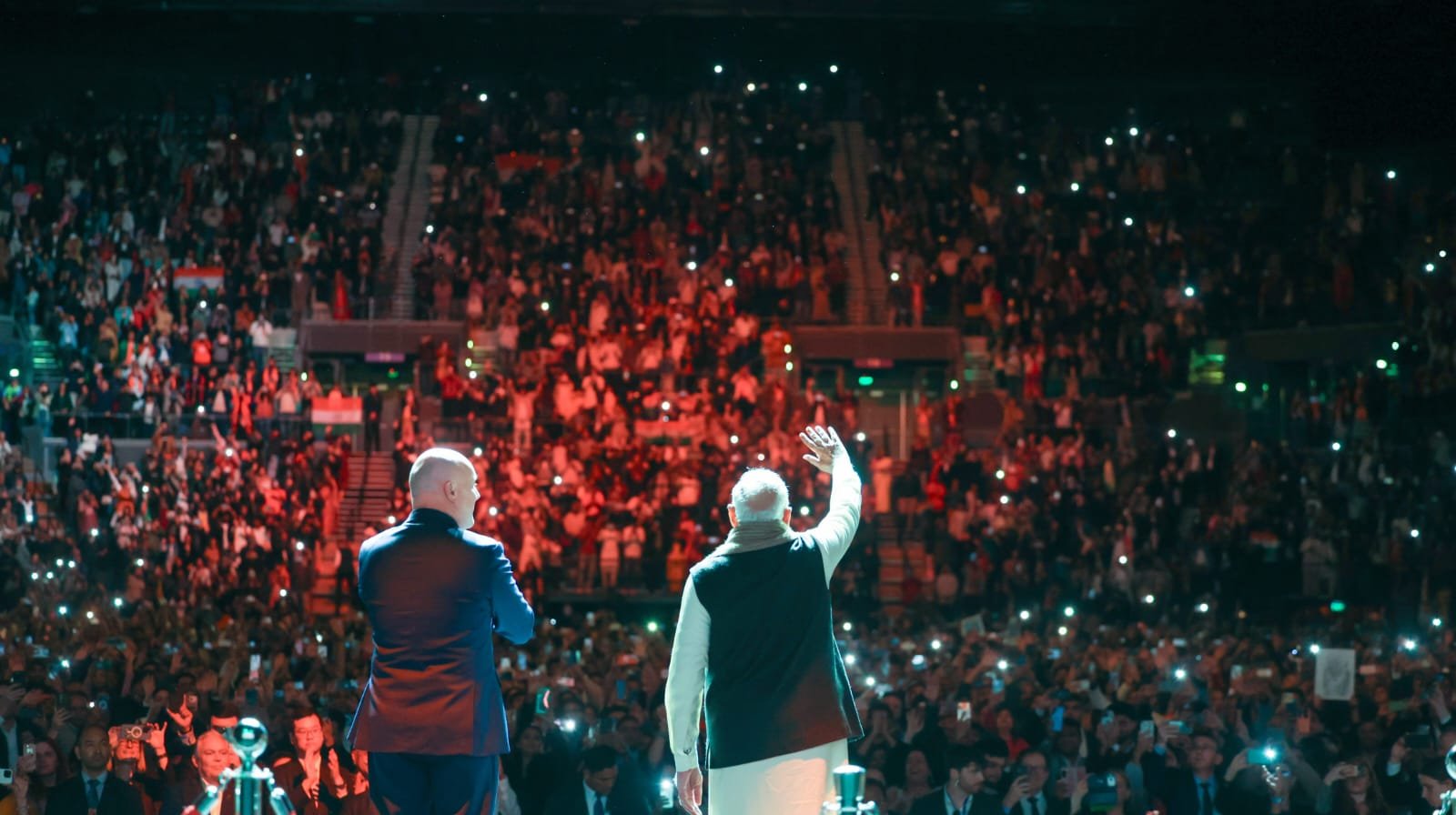
The long interval between the prime ministerial visits underscores the significance of the present one. Coupled with PM Modi’s latest visit to New Zealand and the signing of the India-New Zealand Free Trade Agreement on April 27, it makes 2026 one of the most consequential years in the 75-year history of bilateral relations. During Prime Minister Luxon’s visit last year, both countries launched the Free Trade Agreement negotiations and signed MoUs for bilateral cooperation in the fields of defence, education, customs, horticulture, forestry and sports. The latest visit by PM Modi has built decisively on these achievements.
Strategic Partnership
The most significant outcome of the visit is the elevation of bilateral ties to a Strategic Partnership, accompanied by the adoption of a comprehensive Roadmap to 2030.
India and New Zealand became independent nations within a few years of one another and established formal diplomatic ties in 1952. Though there have been strong people-to-people links underpinned by a large diaspora, convergence of geopolitical interests and complementarities between the economies of the two countries, geography has literally kept the two countries apart. The historical India-New Zealand relationship can fairly be described as one of friendly indifference – cordial, non-controversial, and underdeveloped. The bilateral relationship has been ‘warm, but not deep’ compared to New Zealand’s relations with China, Japan, South Korea and some ASEAN countries.
That began to change in 2011, when the New Zealand’s National government led by Prime Minister John Key set out a strategy to develop New Zealand’s bilateral relationship with India. New Zealand identified India as a priority country in its “Opening Doors to India” policy notified in October 2011 which was reiterated in 2015 and in 2019 by the Labour Government led by Prime Minister Jacinda Adern, underlining bipartisan support “…for India to become a core trade, economic and political partner for New Zealand…”
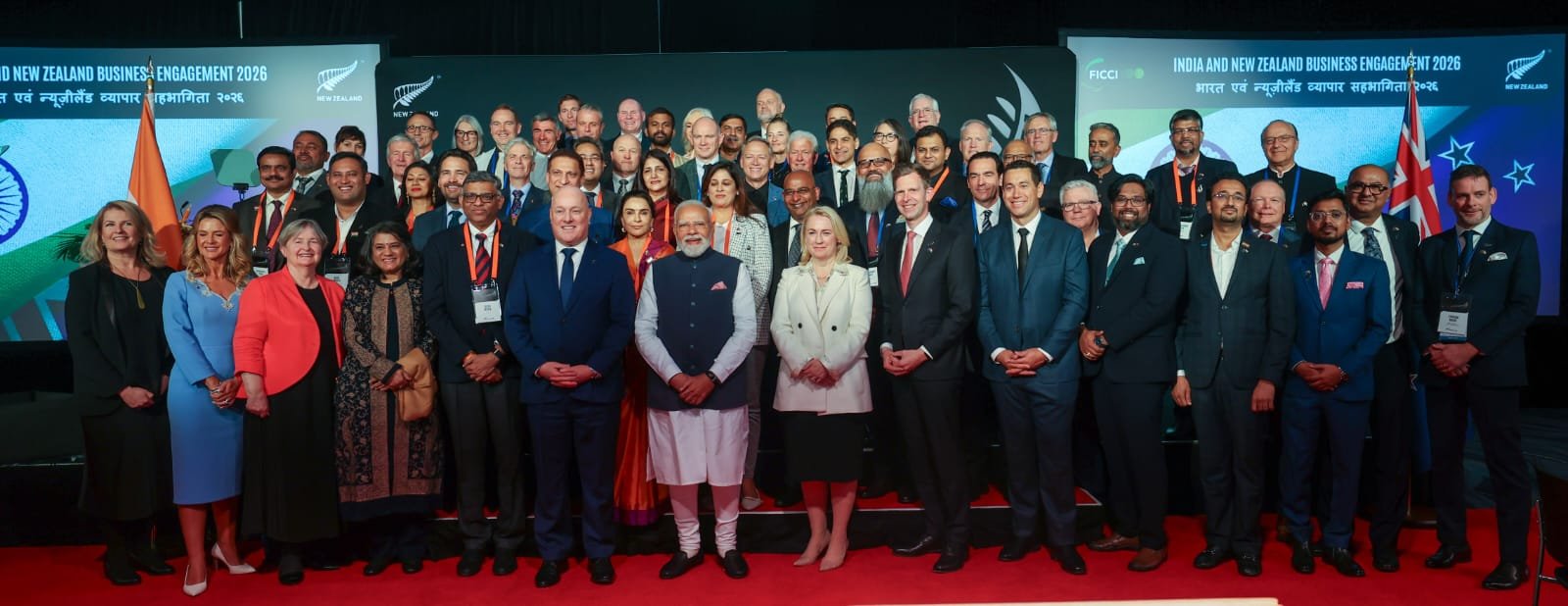
It has taken a few years of patient diplomacy to develop broad elements of a comprehensive and deeper India-New Zealand partnership aimed at serving shared geopolitical objectives of both countries in the Indo-Pacific.
The 2026 India-New Zealand Joint Statement enumerates broad contours of this vision. Both leaders have agreed to institutionalize regular summit-level, ministerial, official and parliamentary dialogues and expand cooperation in defence and maritime security.
The two sides agreed to strengthen cooperation on counter-terrorism, cybersecurity, critical technologies and resilient supply chains, enhance coordination in regional and multilateral forums, including the Indo-Pacific, Pacific Islands, Commonwealth and United Nations. There is a recognition of New Zealand’s growing importance in India’s Indo-Pacific strategy and India’s role as a major regional security and economic partner.
Unlocking Economic Potential
Early contacts between the two countries developed in the shadow of the British Empire. As part of the wider trading networks of the British Empire, India supplied tea, tobacco, rice, spices and other consumer goods to New Zealand, receiving timber and other products in return.
Over the years, New Zealand has grown as a trading nation, relying heavily on exports, which account for around one-third of its GDP. As it seeks to diversify both its economic and strategic partnerships, India has emerged as a natural and increasingly important partner of New Zealand.
The Free Trade Agreement has been in the making for last 15 years. India and New Zealand agreed to undertake a joint study in 2007-08. New Zealand was negotiating FTA with China since 2005, which was signed and entered into force in 2008. Negotiations with India commenced in April 2010 and the 10th round took place in Delhi in 2015 and thereafter continued on the sidelines of Regional Comprehensive Economic Partnership (RCEP) rounds. In November 2019, India decided to opt out of RCEP, which led to huge disappointment in New Zealand. It was only in June 2022 that the 10th Joint Trade Committee met after a hiatus of 14 years, which set the stage for a fresh round of discussions.
Remarkably, both countries concluded the final phase of negotiations in a record nine months, culminating in the signing of the FTA in April 2026. Upon taking effect, New Zealand will eliminate duties on 100% of Indian exports, while New Zealand has committed to investing US$20 billion in India over 15 years. In return, India will liberalize 70% of tariff lines but will protect sensitive sectors like dairy and agriculture.
The deal would eliminate or reduce tariffs on 95 percent of exports, such as kiwifruit, apples, meat, wool, coal, and forestry. During the visit, both sides agreed to double the trade volume to NZ$ 7 billion by 2030. India stands to gain greater access to New Zealand’s expertise in dairy technology, agri-tech and food processing, while New Zealand benefits from India’s expanding consumer market and skilled workforce. New Zealand is a leading country in areas such as agriculture, forestry and fisheries. In this context, the Agricultural Productivity Partnership under the FTA is a key platform for practical cooperation. New pathways for students and post-study work visas round out the deal.
Going forward, the Agreement still has a few hurdles ahead. In New Zealand, the enabling legislation is going through the parliamentary select committee scrutiny. Its ratification process may be prolonged due to the upcoming elections in November 2026.
The Diaspora Bridge
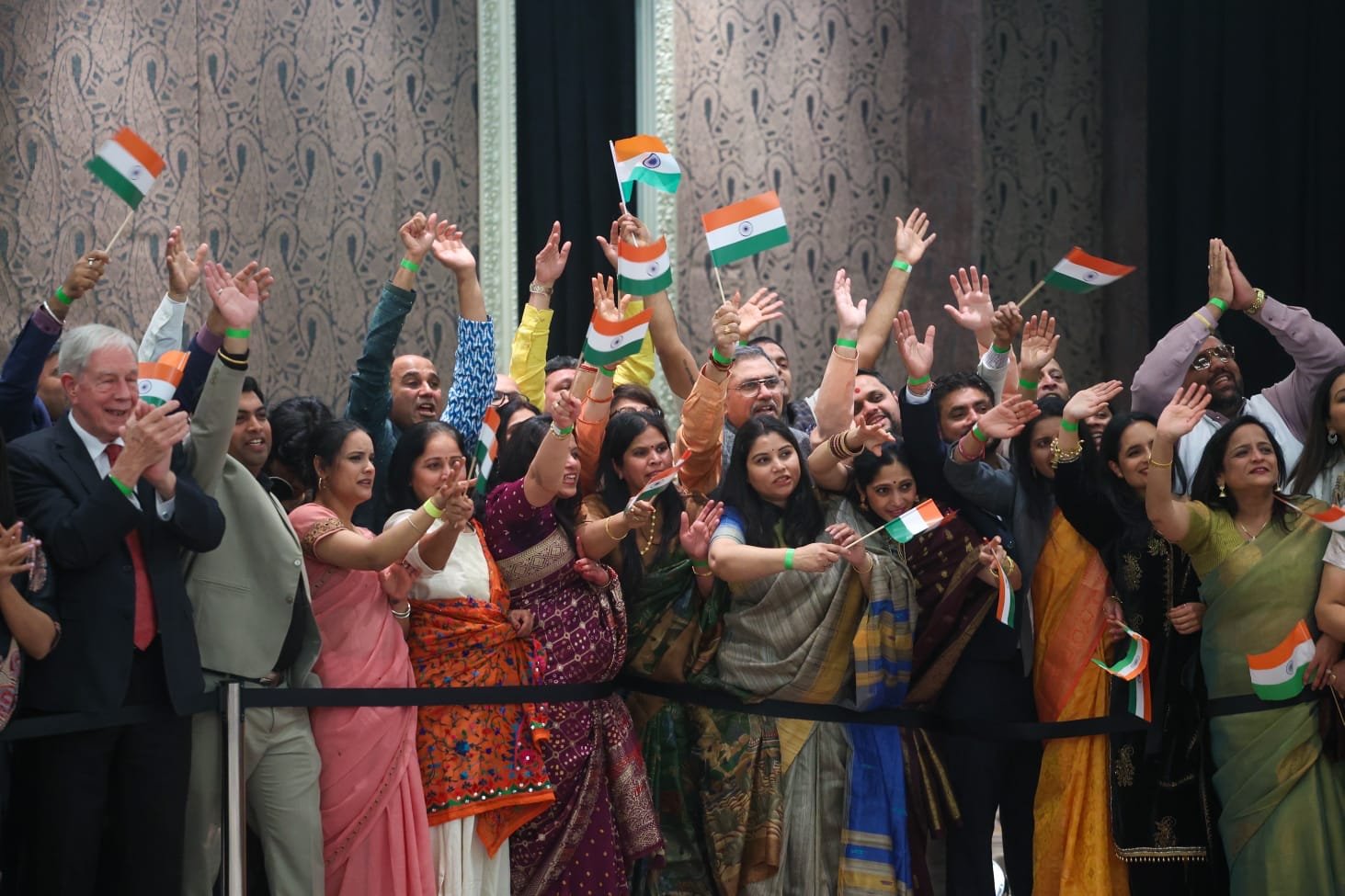
For the Kiwi-Indian community, the visit was a celebration and a reaffirmation of their assimilation in a multicultural New Zealand. The diaspora has been a bridge between the two countries and will continue to serve as the strongest pillar of bilateral relations.
By the end of the 19th century, there were not more than 50 Indians recorded in New Zealand. The number touched 65,000 (1.7%) in 2001, which has now surged to 330,000 (5.8%) in 2025. A recent report highlights the massive economic and social impact of the Kiwi-Indian community. Indian diaspora contributes $37.3 billion (NZD) to the country’s GDP, representing roughly 8.6% of the national economy. This is up from 0.9% in 2001. The diaspora is well qualified, young, and increasingly entrepreneurial, expanding across major sectors including business, academia, agriculture, technology, healthcare, sports, politics and public life.
India also remains the second-largest source of international students in New Zealand. Hindi is among the five most spoken languages. Increased student mobility and research collaboration will build long-term institutional partnerships.
Expanded mobility arrangements will strengthen economic and societal linkages. Tourism and cultural exchanges are expected to deepen mutual understanding and public goodwill.
Looking Ahead
India-New Zealand bilateral relationship is moving undoubtedly from being largely cordial and underdeveloped to one that is genuinely substantial and multi-faceted. It sets the stage for New Zealand, a developed, innovative and stable democracy, to become a more active partner in India’s Indo-Pacific engagement. It creates a winning partnership, a partnership which provides New Zealand the much-needed economic diversification in Asia while India widens its diplomatic footprint in the South Pacific. The immediate challenge is to sustain the momentum generated by the historic visit of PM Modi through the early ratification and effective implementation of both the Free Trade Agreement and the Roadmap to 2030.
Ambassador Muktesh Pardeshi is a retired Indian diplomat with a career spanning 35 years. He has served as Secretary in the Ministry of External Affairs, Special Secretary in India’s G20 Presidency Secretariat, and Chief Passport Officer of India. During his diplomatic career, he was Ambassador of India to Mexico (with concurrent accreditation to Belize) and Türkiye, and High Commissioner of India to New Zealand (with concurrent accreditation to Samoa, Niue, Vanuatu, and the Cook Islands). The views expressed are personal.
(This article has been published in Volume 9, No. 4 of India and the World magazine. To subscribe write to: editor@indiawrites.org)





India-New Zealand Waka: Beginning of a Shared Strategic Journey
Addressing the large Indian diaspora event ‘Kia Ora Modi’ on July 11, 2026, in Auckland, India’s Prime Minister Narendra Modi invoked the Māori concept of waka to describe the evolving India-New Zealand ties. Waka represents the great ocean-faring vessels that the ancestors of Māori used to navigate to Aotearoa (New Zealand) from Polynesia. The reference to the waka was both symbolically powerful and culturally resonant. For the Māori people, the waka is not merely a canoe; it is the symbol of heritage, identity, and collective journey.
A Historic Visit
Prime Minister Modi’s visit to New Zealand on July 10–11, 2026, marks a watershed in bilateral relations. It was the first visit by an Indian Prime Minister in four decades, the last being Prime Minister Rajiv Gandhi’s visit in October 1986, during which the bilateral Trade Agreement was signed. Since then, there has been Presidential visits from India in 2016 and 2022, while New Zealand Prime Ministers visited India in 2004, 2011 and, most recently, Prime Minister Christopher Luxon in March 2025.
The long interval between the prime ministerial visits underscores the significance of the present one. Coupled with PM Modi’s latest visit to New Zealand and the signing of the India-New Zealand Free Trade Agreement on April 27, it makes 2026 one of the most consequential years in the 75-year history of bilateral relations. During Prime Minister Luxon’s visit last year, both countries launched the Free Trade Agreement negotiations and signed MoUs for bilateral cooperation in the fields of defence, education, customs, horticulture, forestry and sports. The latest visit by PM Modi has built decisively on these achievements.
Strategic Partnership
The most significant outcome of the visit is the elevation of bilateral ties to a Strategic Partnership, accompanied by the adoption of a comprehensive Roadmap to 2030.
India and New Zealand became independent nations within a few years of one another and established formal diplomatic ties in 1952. Though there have been strong people-to-people links underpinned by a large diaspora, convergence of geopolitical interests and complementarities between the economies of the two countries, geography has literally kept the two countries apart. The historical India-New Zealand relationship can fairly be described as one of friendly indifference – cordial, non-controversial, and underdeveloped. The bilateral relationship has been ‘warm, but not deep’ compared to New Zealand’s relations with China, Japan, South Korea and some ASEAN countries.
That began to change in 2011, when the New Zealand’s National government led by Prime Minister John Key set out a strategy to develop New Zealand’s bilateral relationship with India. New Zealand identified India as a priority country in its “Opening Doors to India” policy notified in October 2011 which was reiterated in 2015 and in 2019 by the Labour Government led by Prime Minister Jacinda Adern, underlining bipartisan support “…for India to become a core trade, economic and political partner for New Zealand…”
It has taken a few years of patient diplomacy to develop broad elements of a comprehensive and deeper India-New Zealand partnership aimed at serving shared geopolitical objectives of both countries in the Indo-Pacific.
The two sides agreed to strengthen cooperation on counter-terrorism, cybersecurity, critical technologies and resilient supply chains, enhance coordination in regional and multilateral forums, including the Indo-Pacific, Pacific Islands, Commonwealth and United Nations. There is a recognition of New Zealand’s growing importance in India’s Indo-Pacific strategy and India’s role as a major regional security and economic partner.
Unlocking Economic Potential
Early contacts between the two countries developed in the shadow of the British Empire. As part of the wider trading networks of the British Empire, India supplied tea, tobacco, rice, spices and other consumer goods to New Zealand, receiving timber and other products in return.
Over the years, New Zealand has grown as a trading nation, relying heavily on exports, which account for around one-third of its GDP. As it seeks to diversify both its economic and strategic partnerships, India has emerged as a natural and increasingly important partner of New Zealand.
The Free Trade Agreement has been in the making for last 15 years. India and New Zealand agreed to undertake a joint study in 2007-08. New Zealand was negotiating FTA with China since 2005, which was signed and entered into force in 2008. Negotiations with India commenced in April 2010 and the 10th round took place in Delhi in 2015 and thereafter continued on the sidelines of Regional Comprehensive Economic Partnership (RCEP) rounds. In November 2019, India decided to opt out of RCEP, which led to huge disappointment in New Zealand. It was only in June 2022 that the 10th Joint Trade Committee met after a hiatus of 14 years, which set the stage for a fresh round of discussions.
The deal would eliminate or reduce tariffs on 95 percent of exports, such as kiwifruit, apples, meat, wool, coal, and forestry. During the visit, both sides agreed to double the trade volume to NZ$ 7 billion by 2030. India stands to gain greater access to New Zealand’s expertise in dairy technology, agri-tech and food processing, while New Zealand benefits from India’s expanding consumer market and skilled workforce. New Zealand is a leading country in areas such as agriculture, forestry and fisheries. In this context, the Agricultural Productivity Partnership under the FTA is a key platform for practical cooperation. New pathways for students and post-study work visas round out the deal.
Going forward, the Agreement still has a few hurdles ahead. In New Zealand, the enabling legislation is going through the parliamentary select committee scrutiny. Its ratification process may be prolonged due to the upcoming elections in November 2026.
The Diaspora Bridge
By the end of the 19th century, there were not more than 50 Indians recorded in New Zealand. The number touched 65,000 (1.7%) in 2001, which has now surged to 330,000 (5.8%) in 2025. A recent report highlights the massive economic and social impact of the Kiwi-Indian community. Indian diaspora contributes $37.3 billion (NZD) to the country’s GDP, representing roughly 8.6% of the national economy. This is up from 0.9% in 2001. The diaspora is well qualified, young, and increasingly entrepreneurial, expanding across major sectors including business, academia, agriculture, technology, healthcare, sports, politics and public life.
Expanded mobility arrangements will strengthen economic and societal linkages. Tourism and cultural exchanges are expected to deepen mutual understanding and public goodwill.
Looking Ahead
India-New Zealand bilateral relationship is moving undoubtedly from being largely cordial and underdeveloped to one that is genuinely substantial and multi-faceted. It sets the stage for New Zealand, a developed, innovative and stable democracy, to become a more active partner in India’s Indo-Pacific engagement. It creates a winning partnership, a partnership which provides New Zealand the much-needed economic diversification in Asia while India widens its diplomatic footprint in the South Pacific. The immediate challenge is to sustain the momentum generated by the historic visit of PM Modi through the early ratification and effective implementation of both the Free Trade Agreement and the Roadmap to 2030.
Ambassador Muktesh Pardeshi is a retired Indian diplomat with a career spanning 35 years. He has served as Secretary in the Ministry of External Affairs, Special Secretary in India’s G20 Presidency Secretariat, and Chief Passport Officer of India. During his diplomatic career, he was Ambassador of India to Mexico (with concurrent accreditation to Belize) and Türkiye, and High Commissioner of India to New Zealand (with concurrent accreditation to Samoa, Niue, Vanuatu, and the Cook Islands). The views expressed are personal.
(This article has been published in Volume 9, No. 4 of India and the World magazine. To subscribe write to: editor@indiawrites.org)
Muktesh Pardeshi
Related Posts
Diplomatic win for India: BRICS bridges Gulf divide, bats for Global South
Illuminating India’s BRICS moment
With Trump listening in, Iran urges PM Modi to end war with US
India Russia ‘dosti’ in Bishkek: Focus on end of Ukraine war, balanced trade
Uncovering Pakistan: Modi rallies SCO against states that use terror as policy
Modi’s SCO agenda: Shaping a region free of terror, widening arc of prosperity
Latest Events
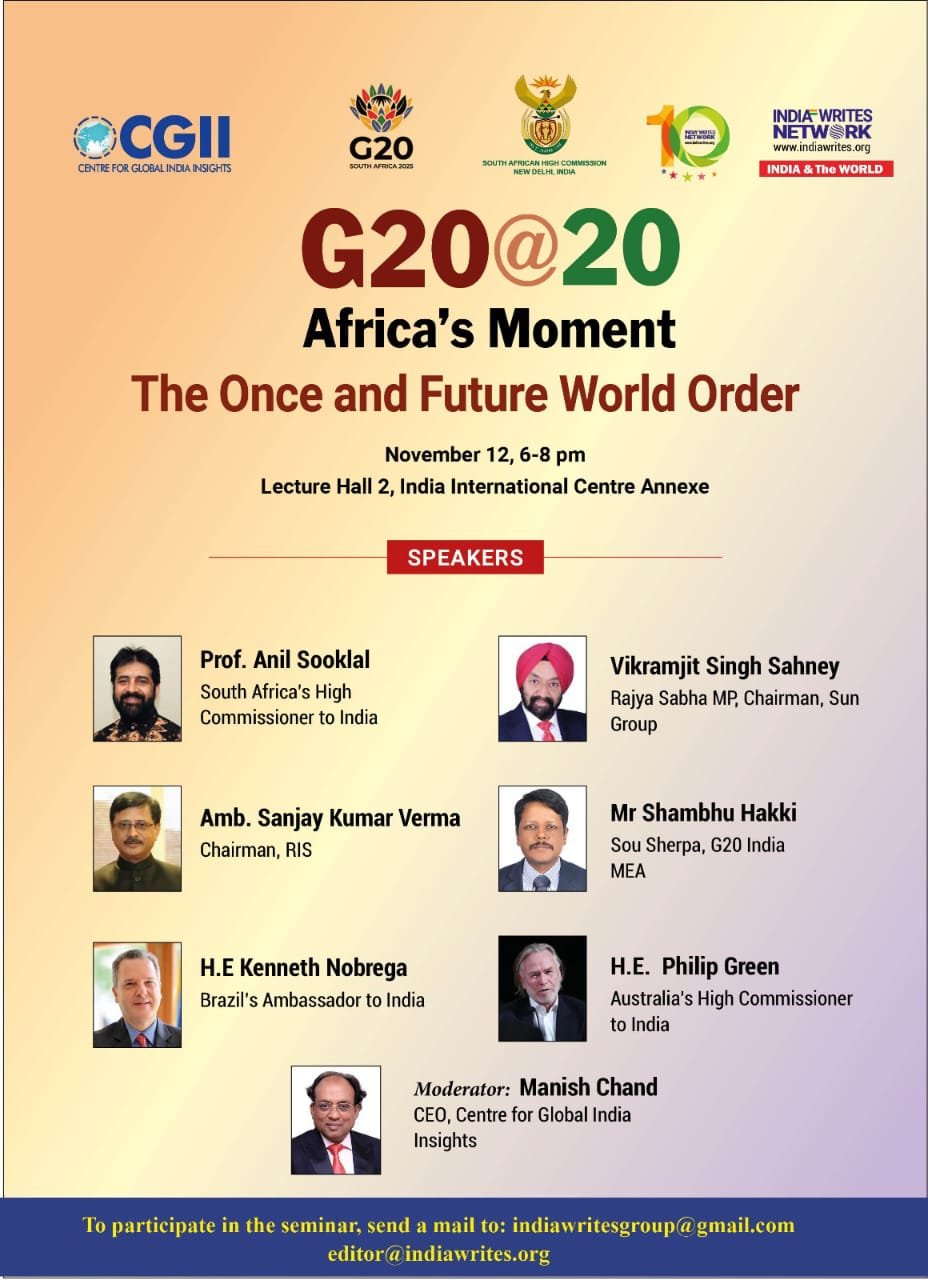
G20@20: Africa’s Moment – The Once and Future World Order
Speakers
Professor Anil Sooklal
Kenneth da Nobrega
Manish Chand
Ambassador Philip Green
Sanjay Kumar Verma
Shambhu Hakki
Vikramjit Singh Sahney
MPs, diplomats laud Operation Sindoor, call for national unity to combat Pakistan-sponsored terror
Speakers
Aparajita Sarangi
Brij Lal
Dr Amar Patnaik
Manish Chand
Priyanka Chaturvedi
Sujan Chinoy
Yashvardhan Kumar Sinha
BRICS summit in Rio to focus on Global South, local currency trade
Speakers
Dammu Ravi
Denis Alipov
Ina Hagniningtyas Krisnamurthi
Jyoti Vij
Kamel Zayed Kamel Galal
Kenneth da Nobrega
Manish Chand
Book
India’s G20 Legacy: Shaping a New World Order
Editor: Manish Chand
Pages: 206
Publisher: Pentagon Press LLP
Cover Price: INR 995
In Conversation
India’s BRICS Chairship Critical for Global South: South Africa’s Envoy
In The Press
Rescuing G20 from North-South divide: Ubuntu Moment
The Sunday Guardian: India calls for strengthened BRICS cooperation
Daily Excelsior: Ahead BRICS summit in Rio, envoys call for greater focus on combating terrorism
Rediff: BRICS Summit 2024: Focus on National Currencies
Latest From CGII
Diplomatic win for India: BRICS bridges Gulf divide, bats for Global South
Illuminating India’s BRICS moment
With Trump listening in, Iran urges PM Modi to end war with US
India Russia ‘dosti’ in Bishkek: Focus on end of Ukraine war, balanced trade
Uncovering Pakistan: Modi rallies SCO against states that use terror as policy
Modi’s SCO agenda: Shaping a region free of terror, widening arc of prosperity
The Journal
Special Edition on India’s Indo-Pacific plus Diplomacy
India’s G20 Journey – Scaling A New Summit