As the war between Iran, Israel and the U.S. rages on, an important visit that preceded the start of the conflict has been overshadowed. It was the state visit of Indian Prime Minister Narendra Modi to Israel on February 25-26, 2026. In the holy city of Jerusalem, home to the world’s three major religions, a new script of win-win partnership between India and Israel, the two like-minded democracies and strategic partners, was written on February 26, opening new gateways for closer collaboration in areas of defence, critical technologies and cyber security.
Unfortunately, and tragically, two days later, the U.S.-Israel joint strike on Iran hijacked the headlines and global attention, and the newly minted Delhi-Jerusalem script was written, opening new gateways for closer collaboration in areas of defence, critical technologies and cybersecurity. Some sections of the public in India mostly focused on the timing of the visit, reinforcing the impression that India has tilted towards the U.S.-Israel camp.
These debates will go on endlessly – about the timing of the visit and whether Israel shared intelligence with India during the imminent war. In the world of realpolitik, the country’s core national interests come first, and seen thus, advancing security and strategic partnership with Israel has its own logic and rationale. So it is important to take an objective review of PM Modi’s visit to Jerusalem and its implications for India’s security and the overarching goal of Viksit Bharat. The talks between Modi and his Israeli counterpart Benjamin Netanyahu upgraded India-Israel ties to the level of “Special Strategic Partnership”, a category reserved for very few countries, viz., the U.S., Russia, France and South Korea.
There are five major takeaways.
First, the visit was a compelling demonstration of India’s strategic autonomy and not an erosion of neutrality, as made out by some critics. PM Modi visited Israel with the full knowledge that it would be negatively viewed by left-liberal ideologues back home, who see any attempt at forging closer relations with Israel as a betrayal of the Palestinian cause. India has not abandoned the Palestinian cause; for a reality check, India hosted the Palestinian Foreign Minister Varsen Aghabekian Shahin[1] in New Delhi on January 30, 2026, and hosted the India-Arab Ministers’ Forum[2] on January 31, 2026, just days before Modi visited Israel.
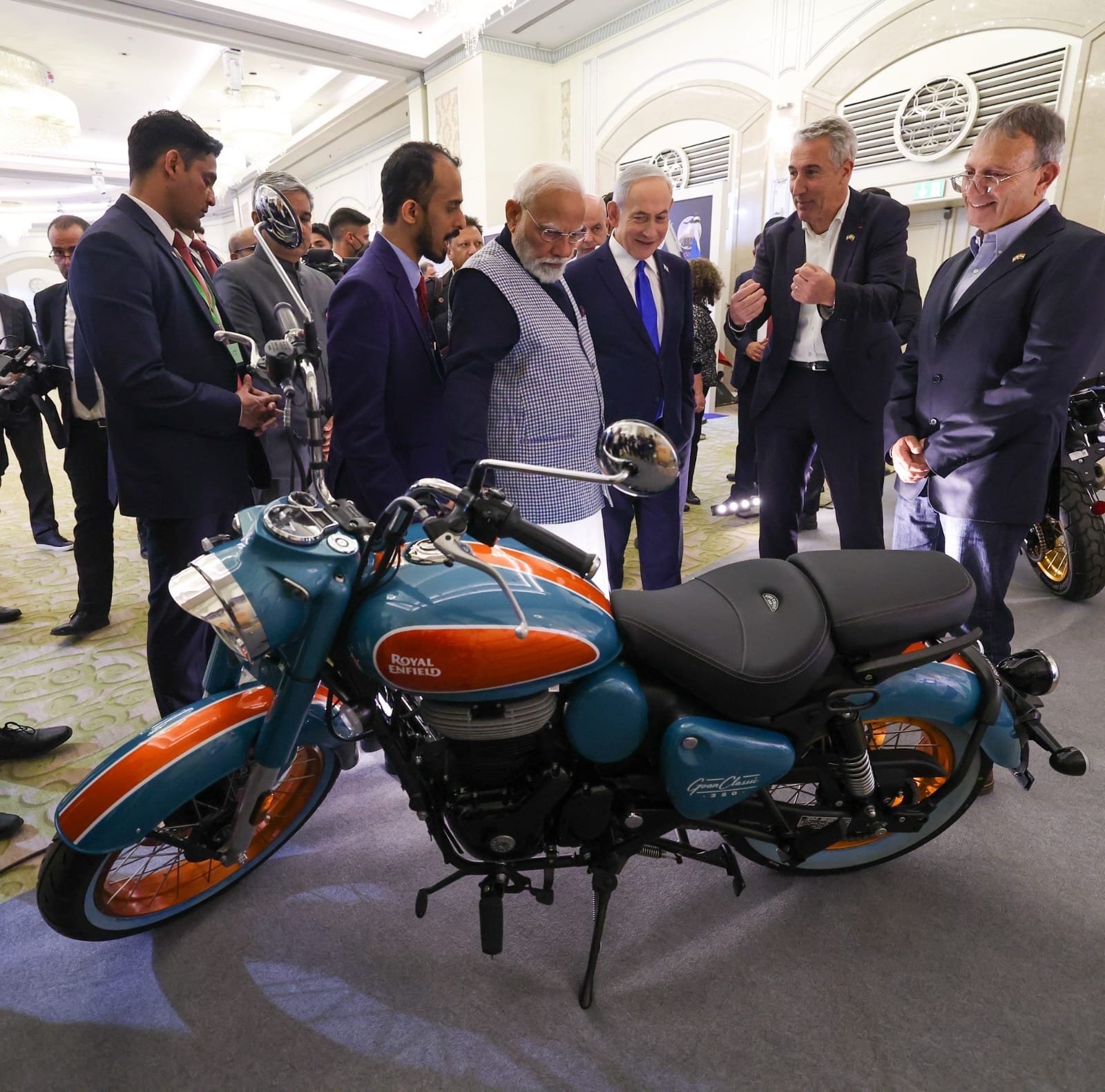
Secondly, it was payback time for New Delhi. Israel was the only country that did not mince words and supported India’s right of self-defence during “Operation Sindoor.” Israel-supplied weapons helped India counter Pakistan’s offence. Many countries India considered close strategic partners preferred to remain ambivalent and played their own games. Against this backdrop, India’s core agenda with Israel during Modi’s visit was to bolster the defence and security partnership with Israel, the bedrock of bilateral ties. The outcomes were substantive and transformational. The two sides decided to accelerate joint development, joint production, and transfer of technology, with the overarching goal of bolstering Aatmanirbhar Bharat, India’s ongoing quest for self-reliance in indigenous defence technology.
Thirdly, as the fellow sufferers of terrorism, the two leaders took a strong stand against it. In a compelling address to the Knesset on February 25, PM Modi reaffirmed India’s solidarity with Israel in the wake of the Hamas attacks on Israelis over two years ago, saying, “With a heavy heart, we share your grief.”[3] “India stands with Israel – firmly, with full conviction – in this moment and beyond.” A day later, with Netanyahu at his side, PM Modi told journalists at a joint press conference: Israel and India agree there is “no place for terrorism in the world, in any form.” These statements are important for a critical reason: as Pakistan continues with its persiflage and double-talk on cross-border terror, India can count on Israel as its steadfast partner against the neighbouring country’s efforts to derail India’s growth story.
Fourth, the talks positioned technology as the key driver of this new elevated phase in the India-Israel partnership. The two sides unveiled a Critical and Emerging Technologies Partnership, which will impart fresh momentum to cooperation in emerging frontiers such as artificial intelligence, quantum technologies, and critical minerals.
Fifth, the focus on a deeper economic and development partnership. A clutch of pacts, covering diverse sectors including agricultural innovation and technologies, the use of civilian drones, satellite data, irrigation and fertilisation management and the transfer of knowledge in advanced agricultural technologies, was signed. This builds on the India-Israel Bilateral Investment Agreement signed in September 2025 and will accelerate negotiations for a Free Trade Area agreement.
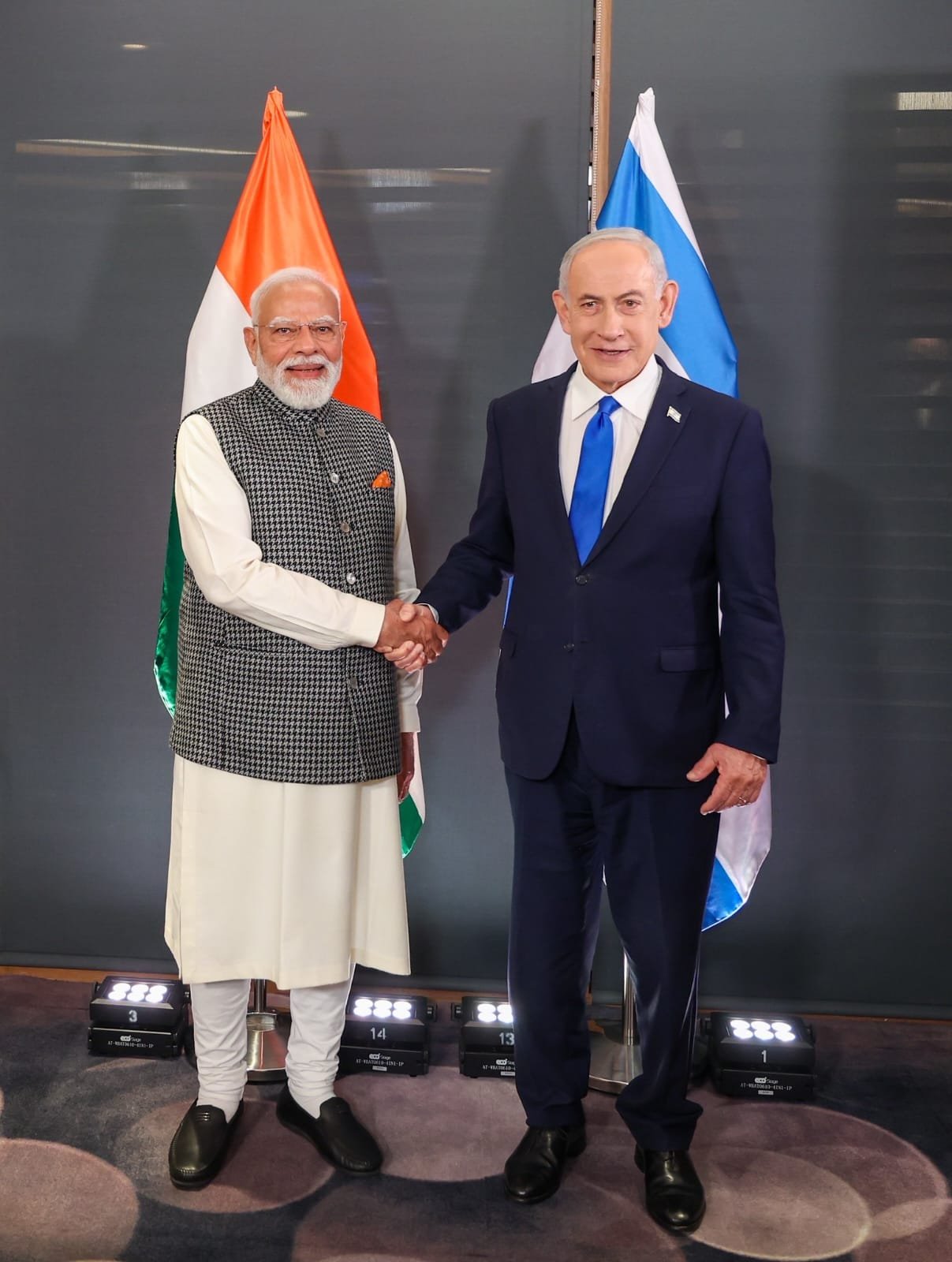
Tel Aviv is now in the category of New Delhi’s top trusted partners which includes the U.S., Russia and the European Union. In terms of optics and concrete outcomes, Modi’s visit succeeded in changing the narrative of the India-Israel partnership and bringing to a decisive end the equivocation on the part of New Delhi to embrace Israel as a key partner in “Viksit Bharat” and “Surakshit Bharat.”
The commencement of the U.S.-Israel-Iran war means that India will have to deftly practise and demonstrate its strategic autonomy by managing heterogeneous and often contrapuntal relationships and strike a balance in its ties with the U.S. and Israel on the one hand and Iran and the Arab world on the other hand. India has centuries-old civilisational ties with Iran, but it has also ancient ties with Israel. The Book of Esther refers to India as ‘Hodu’, and the Talmud records trade with India in ancient times, as PM Modi reminded the Israeli parliament. In this multiplex and fracturing world, this is no time for binaries or zero-sum games. India needs all countries, big and small, to help fructify its vision of a humane, compassionate and balanced world order.[4]
“This article was first published in Gateway House: Indian Council on Global Relations. You can read it here: https://www.gatewayhouse.in/modis-israel-visit-brings-defence-and-tech/”
References
[1] News on Air. “EAM Dr. S. Jaishankar Meets with Foreign Affairs Minister of Palestine Varsen Aghabekian Shahin in New Delhi.”
[2] Ministry of External Affairs, Government of India. “2nd India–Arab Foreign Ministers’ Meeting.”
[3] Ministry of External Affairs, Government of India. “Prime Minister’s Address to the Knesset, February 25, 2026.”
[4] Ministry of External Affairs, Government of India. “Prime Minister Shri Narendra Modi’s Opening Remarks at the Inaugural Leaders’ Session of the Voice of Global South Summit 2023.”




Modi’s Israel visit brings defence and tech
As the war between Iran, Israel and the U.S. rages on, an important visit that preceded the start of the conflict has been overshadowed. It was the state visit of Indian Prime Minister Narendra Modi to Israel on February 25-26, 2026. In the holy city of Jerusalem, home to the world’s three major religions, a new script of win-win partnership between India and Israel, the two like-minded democracies and strategic partners, was written on February 26, opening new gateways for closer collaboration in areas of defence, critical technologies and cyber security.
Unfortunately, and tragically, two days later, the U.S.-Israel joint strike on Iran hijacked the headlines and global attention, and the newly minted Delhi-Jerusalem script was written, opening new gateways for closer collaboration in areas of defence, critical technologies and cybersecurity. Some sections of the public in India mostly focused on the timing of the visit, reinforcing the impression that India has tilted towards the U.S.-Israel camp.
These debates will go on endlessly – about the timing of the visit and whether Israel shared intelligence with India during the imminent war. In the world of realpolitik, the country’s core national interests come first, and seen thus, advancing security and strategic partnership with Israel has its own logic and rationale. So it is important to take an objective review of PM Modi’s visit to Jerusalem and its implications for India’s security and the overarching goal of Viksit Bharat. The talks between Modi and his Israeli counterpart Benjamin Netanyahu upgraded India-Israel ties to the level of “Special Strategic Partnership”, a category reserved for very few countries, viz., the U.S., Russia, France and South Korea.
There are five major takeaways.
First, the visit was a compelling demonstration of India’s strategic autonomy and not an erosion of neutrality, as made out by some critics. PM Modi visited Israel with the full knowledge that it would be negatively viewed by left-liberal ideologues back home, who see any attempt at forging closer relations with Israel as a betrayal of the Palestinian cause. India has not abandoned the Palestinian cause; for a reality check, India hosted the Palestinian Foreign Minister Varsen Aghabekian Shahin[1] in New Delhi on January 30, 2026, and hosted the India-Arab Ministers’ Forum[2] on January 31, 2026, just days before Modi visited Israel.
Secondly, it was payback time for New Delhi. Israel was the only country that did not mince words and supported India’s right of self-defence during “Operation Sindoor.” Israel-supplied weapons helped India counter Pakistan’s offence. Many countries India considered close strategic partners preferred to remain ambivalent and played their own games. Against this backdrop, India’s core agenda with Israel during Modi’s visit was to bolster the defence and security partnership with Israel, the bedrock of bilateral ties. The outcomes were substantive and transformational. The two sides decided to accelerate joint development, joint production, and transfer of technology, with the overarching goal of bolstering Aatmanirbhar Bharat, India’s ongoing quest for self-reliance in indigenous defence technology.
Thirdly, as the fellow sufferers of terrorism, the two leaders took a strong stand against it. In a compelling address to the Knesset on February 25, PM Modi reaffirmed India’s solidarity with Israel in the wake of the Hamas attacks on Israelis over two years ago, saying, “With a heavy heart, we share your grief.”[3] “India stands with Israel – firmly, with full conviction – in this moment and beyond.” A day later, with Netanyahu at his side, PM Modi told journalists at a joint press conference: Israel and India agree there is “no place for terrorism in the world, in any form.” These statements are important for a critical reason: as Pakistan continues with its persiflage and double-talk on cross-border terror, India can count on Israel as its steadfast partner against the neighbouring country’s efforts to derail India’s growth story.
Fourth, the talks positioned technology as the key driver of this new elevated phase in the India-Israel partnership. The two sides unveiled a Critical and Emerging Technologies Partnership, which will impart fresh momentum to cooperation in emerging frontiers such as artificial intelligence, quantum technologies, and critical minerals.
Fifth, the focus on a deeper economic and development partnership. A clutch of pacts, covering diverse sectors including agricultural innovation and technologies, the use of civilian drones, satellite data, irrigation and fertilisation management and the transfer of knowledge in advanced agricultural technologies, was signed. This builds on the India-Israel Bilateral Investment Agreement signed in September 2025 and will accelerate negotiations for a Free Trade Area agreement.
Tel Aviv is now in the category of New Delhi’s top trusted partners which includes the U.S., Russia and the European Union. In terms of optics and concrete outcomes, Modi’s visit succeeded in changing the narrative of the India-Israel partnership and bringing to a decisive end the equivocation on the part of New Delhi to embrace Israel as a key partner in “Viksit Bharat” and “Surakshit Bharat.”
The commencement of the U.S.-Israel-Iran war means that India will have to deftly practise and demonstrate its strategic autonomy by managing heterogeneous and often contrapuntal relationships and strike a balance in its ties with the U.S. and Israel on the one hand and Iran and the Arab world on the other hand. India has centuries-old civilisational ties with Iran, but it has also ancient ties with Israel. The Book of Esther refers to India as ‘Hodu’, and the Talmud records trade with India in ancient times, as PM Modi reminded the Israeli parliament. In this multiplex and fracturing world, this is no time for binaries or zero-sum games. India needs all countries, big and small, to help fructify its vision of a humane, compassionate and balanced world order.[4]
“This article was first published in Gateway House: Indian Council on Global Relations. You can read it here: https://www.gatewayhouse.in/modis-israel-visit-brings-defence-and-tech/”
References
[1] News on Air. “EAM Dr. S. Jaishankar Meets with Foreign Affairs Minister of Palestine Varsen Aghabekian Shahin in New Delhi.”
[2] Ministry of External Affairs, Government of India. “2nd India–Arab Foreign Ministers’ Meeting.”
[3] Ministry of External Affairs, Government of India. “Prime Minister’s Address to the Knesset, February 25, 2026.”
[4] Ministry of External Affairs, Government of India. “Prime Minister Shri Narendra Modi’s Opening Remarks at the Inaugural Leaders’ Session of the Voice of Global South Summit 2023.”
Manish Chand
Related Posts
Eyewitness recalls: US-Israel-Iran war, up close and personal
Empathy and eros in Tel Aviv bunkers
Modi visit: India-Israel partnership enters a new era
Unravelling Modi’s Israel journey: What to expect
India and Indonesia: Advancing an Inclusive AI Future for the Global South
Macron in Mumbai : Shaping the Next Phase of India–France Ties
Latest Events
G20@20: Africa’s Moment – The Once and Future World Order
Speakers
Professor Anil Sooklal
Kenneth da Nobrega
Manish Chand
Ambassador Philip Green
sanjay Kumar Verma
Shambhu Hakki
Vikramjit Singh Sahney
MPs, diplomats laud Operation Sindoor, call for national unity to combat Pakistan-sponsored terror
Speakers
Aparajita Sarangi
Brij Lal
Dr Amar Patnaik
Manish Chand
Priyanka Chaturvedi
Sujan Chinoy
Yashvardhan Kumar Sinha
BRICS summit in Rio to focus on Global South, local currency trade
Speakers
Dammu Ravi
Denis Alipov
Ina Hagniningtyas Krisnamurthi
Jyoti Vij
Kamel Zayed Kamel Galal
Kenneth da Nobrega
Manish Chand
Book
India’s G20 Legacy: Shaping a New World Order
Editor: Manish Chand
Pages: 206
Publisher: Pentagon Press LLP
Cover Price: INR 995
In Conversation
Pakistan’s Mediation Role in US–Iran Conflict Raises Questions: Alok Bansal
In The Press
Rescuing G20 from North-South divide: Ubuntu Moment
The Sunday Guardian: India calls for strengthened BRICS cooperation
Daily Excelsior: Ahead BRICS summit in Rio, envoys call for greater focus on combating terrorism
Rediff: BRICS Summit 2024: Focus on National Currencies
Latest From CGII
Eyewitness recalls: US-Israel-Iran war, up close and personal
Empathy and eros in Tel Aviv bunkers
Modi visit: India-Israel partnership enters a new era
Unravelling Modi’s Israel journey: What to expect
India and Indonesia: Advancing an Inclusive AI Future for the Global South
Macron in Mumbai : Shaping the Next Phase of India–France Ties
The Journal
India’s G20 Journey – Scaling A New Summit
India’s G20 Moment: Hope, Healing and Harmony