



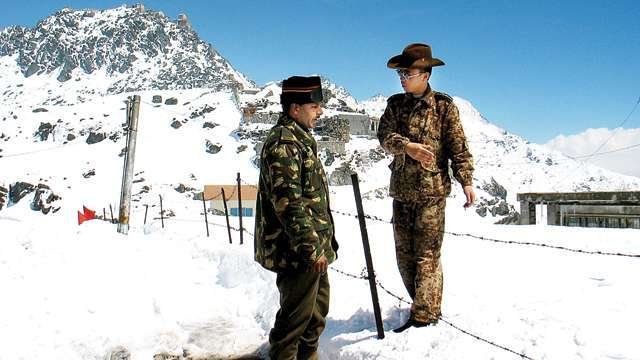
The end of the protracted standoff between India and China on the Doklam plateau, which is claimed by both Beijing and Thimphu, has come as a big relief to the nascent Himalayan democracy, but it will keep a close track on Beijing’s moves. “Bhutan welcomes the disengagement by the two sides at the faceoff site in the Doklam area,” said the Bhutanese Foreign Ministry in a statement. Any escalation of India-China conflict could have adversely impacted Bhutan’s economy and jeopardized peace in the region. Bhutan has a special relationship with India and has a Treaty of Friendship under which New Delhi is responsible for Thimphu’s security. Many analysts have suggested that China started road construction in the Doklam plateau to drive a wedge between India and Bhutan as it regarded such friendship as detrimental to its ambitions in the region. Many analysts in Bhutan have expressed their skepticism regarding the proposed resolution. With no official word yet on the road construction or the Royal Bhutan Army’s position at Zompelri Ridge, the future remains uncertain. Tenzing Lamsang, the editor of The Bhutanese, says that despite Doklam being a “disputed” territory between Bhutan and China, the implications it has on India’s security concerns are “far bigger”. The crisis erupted in early June when Indian troops advanced into the disputed Doklam plateau to stall the construction of a strategic road by PLA troops near Chicken’s Neck, which connects India’s northeast states with the rest of the country. India decided to send its troops as the construction of this road would have strengthened China’s hand in disrupting links with northeast states. India justified this intervention by contending that China’s road construction amounted to altering the status quo in the India-China-Bhutan tri-junction, which the three countries had agreed to resolve trilaterally. China repeatedly accused India of trespassing into its territory and violating its sovereignty and warned of dire consequences. India refused to blink. In the end, diplomacy prevailed as the two sides withdrew their troops on August 28.