


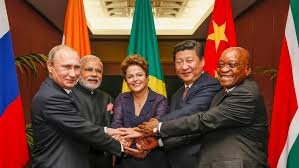
 In a strategic shift, India is now involving foreign partners to multilateral forums to more effectively corner terrorists and their sponsors. The Permanent Mission of India to the UN in New York has moved the Security Council terror (1267) sanctions committee many times in recent months. It has also formally approached the body to ban Jaish-e-Mohammad leader Masood Azhar. The Indian government hopes that a multilateral forum approach will help India win broader international support for action against cross-border terrorists. This strategy is in sync with India’s intent to broaden its base through counter-terror partnership. India has also launched deradicalisation initiatives with key partners in the Gulf, Southeast Asia, South and Central Asia, and Africa besides permanent members of the UN Security Council. The JeM was banned in 2001 by the UN. However, India’s efforts to declare Mr Azhar as designated terrorist, was foiled in 2009-10 by China. After the Pathankot terror attacks on January 2, India sensed an opportunity to move the UNSC to seek a ban on the JeM chief, who has been allowed a free run in Pakistan. The council also formed the ‘Al Qaida and Taliban Sanctions Committee’ to oversee implementation of Resolution 1267 and designate those who violated the sanctions. With an increase in terrorism globally, India has been focusing on the multilateral approach for tangible action against terror.


