




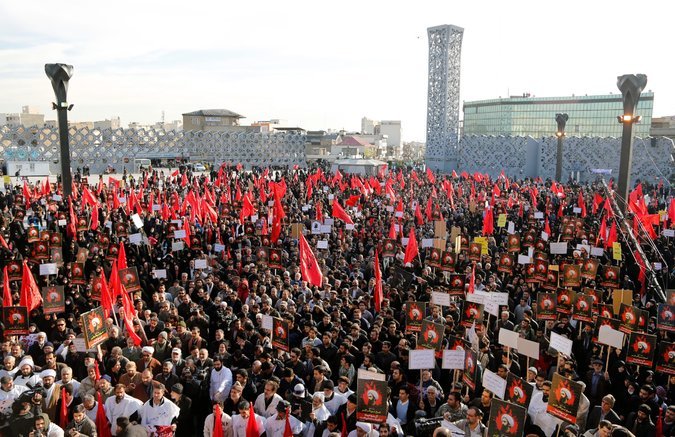
After the historic nuclear deal in July 2015 between Iran and the P5+1 countries, Iran’s international isolation seemed to have come to an end. However, the recent developments in the Middle East could end up isolating Iran in the region. Saudi Arabia began the backlash by cutting off its diplomatic ties with Iran after its embassy was attacked in Tehran for the execution of a Shiite cleric. This has now been followed by Saudi Arabia’s allies Bahrain and Sudan cutting off ties with Iran. The United Arab Emirates (UAE) has downgraded its relations with Iran to the level of the charge d’affaires. The repeated sloganeering by Sunni-ruled Saudi Arabia shows the aggressive stance King Salman and his son, Deputy Crown Prince Mohammed bin Salman, have adopted against Iran. Both countries have been longtime regional rivals vying for dominance in the region. “What we have seen during the last 24 hours is unprecedented… It shows you Saudi Arabia has had enough of Iran and wants to send a message,” said Abdulkhaleq Abdullah, a political science professor at Emirates University. The standoff began on January 2, when Saudi Arabia executed Shiite cleric Sheikh Nimr al-Nimr and 46 others convicted of terror charges. This was the largest mass execution carried out by Saudi Arabia since 1980. Saudi Arabia’s civil aviation authority has suspended all flights to and from Iran. The decision was based on the kingdom’s severance of diplomatic ties with Iran. Expressing regret over the attacks on the diplomatic missions in a letter to the United Nations on January 4, Iran promised to arrest those responsible. Impact on Middle East Both Saudi Arabia and Iran have been competing to be the regional powerhouse in West Asia. Their rivalry intensified in the aftermath of the downfall of Saddam Hussein in Iraq. Mr Hussein’s downfall allowed Iran to assert dominance there. The Arab Spring, which ended up overthrowing long-standing dictatorial regimes for democratic regimes in Middle East and North Africa, gave rise to proxy wars in Syria and Yemen. The UAE has a long trading history with Iran. It is also home to many ethnic Iranians. In a major decision, the UAE said it would reduce the number of diplomats in Iran and recall its ambassador “in the light of Iran’s continuous interference in the internal affairs of Gulf and Arab states, which has reached unprecedented levels.” The region is set for an escalation of violence, following the breakdown of diplomatic ties between Iran and Saudi Arabia.