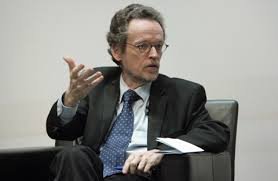








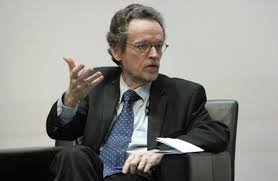
The burgeoning South-South cooperation has a great potential to recast global governance landscape. In this conversation with Manish Chand, Editor-in-Chief, India Writes Network (www.indiawrites.org), Thomas Pogge, Leitner Professor of Philosophy and International Affairs, Yale University, cautions against the divide-and-rule policy of the North and underlines that the key challenge for South is to maintain solidarity. He also speaks about India’s potential to play a very special role in helping to build a sharable vision of a world order. How do you look at the growing importance of South-South cooperation? The greatest promise of SSC is that it allows the Southern countries to exert much more influence on the still evolving ground rules of the global institutional order. Together, they can strengthen the international rule of law, advance the justice of supranational rules and practices toward more democracy and poverty avoidance, reduce the importance of the capacity for massive violence in international affairs, and promote the solution of common problems (global warming, drug resistance, pollution, resource depletion, etc.). What are key challenges for SSC? In what ways can it be addressed? The key challenge is to maintain harmony on a basis of equality and mutual respect. The North will try to divide the South, play off one country against another, bribe, deceive, manipulate, threaten and coerce. And the most powerful Southern states will be tempted to become hegemons within the South, coercing, humiliating and exploiting the smaller countries in their region. The South must stand united in resisting these corrosive forces. It must not replicate the Northern paradigm of power politics but rather must anticipate and promote the different, juster world order that we must achieve in this century if humanity is to survive and prosper for the millennium. What’s the way ahead for South-South cooperation? Can you identify three-four areas which will witness a major forward movement in South-South Cooperation?  Progress is by no means automatic, and the current economic disruptions could even lead to major steps backward. This is why we need enlightened political leaders and an informed and vigilant citizenry to preserve the gains of the last years and to continue progress under adverse conditions. The emergence of India as a globally significant leader in the South can greatly contribute to continued progress, given India’s amazing culture of tolerance and non-violence. India can play a very special role in helping to build a sharable vision of a world order based on reason and on respect and love for all human beings in their wonderful diversity.