

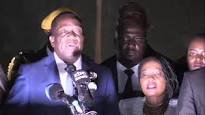
Zimbabwe’s long-awaited moment of celebration has finally arrived with the 93-year-old strongman Robert Mugabe announcing his resignation after a reign of 37 years. On November 21 his letter, wherein he expressed his decision to step down from power to allow a peaceful leadership change, was read out by the speaker of the Zimbabwean parliament, Jacob Mudenda. With his announcement, Mr Mugabe has saved himself from the ordeal of an impeachment hearing that had been initiated against him. Emmerson Mnangagwa, the former vice-president who was fired last week by Mr Mugabe, is expected to take over as the interim president until the national elections next year. It was in November 6 that Mr Mugabe expelled Mr Mnangagwa, in a bid to install his wife Grace as the next president. Mr Mugabe’s attempt to arrest the nation’s top military commander in the next few days plunged the nation into a political turmoil, with the army taking the old-timer to custody. Once a revered liberation leader, Mr Mugabe increasingly became a despot, repressing dissenters and enriching allies and coterie. The crackdown on protestors in the 1980s that left thousands of civilians dead remains a shameful scar on his reign. Under him, Zimbabwe descended into economic misery that forced it to lose its currency in 2009. Over the last 15 years, elections were increasingly tarnished by violence against political opponents. As the nation celebrates the end of a suffocating rule, there are concerns over Mr Mnangagwa’s role as the likely successor. He carries a tarnished reputation for being involved in the 1980s crackdown and the rigged elections of 2008. Also significant is the fact that Mr Mugabe’s ouster was not a result of a popular mass movement, but rifts within the ruling Zanu-PF party. British Prime Minister Theresa May expressed her country’s support for its former self-governing colony. “The resignation of Robert Mugabe provides Zimbabwe with an opportunity to forge a new path free of the oppression that characterised his rule… In recent days, we have seen the desire of the Zimbabwean people for free and fair elections and the opportunity to rebuild the country’s economy under a legitimate government”, she said. (Pritha Mahanti contributed inputs for this article)