


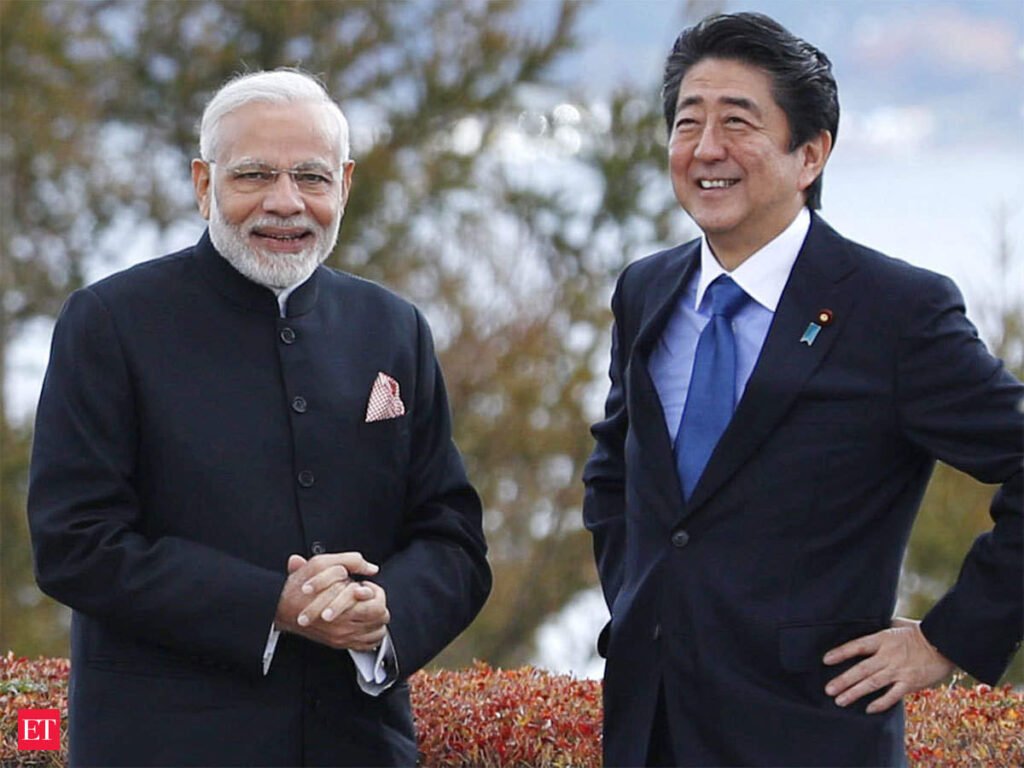
By Shweta Aggarwal Prime Minister Narendra Modi has announced that India will observe a day of national mourning on July 9 as a mark of respect to former Japanese PM Shinzo Abe, who was killed while on the campaign trail in the Japanese city of Nara. “I am shocked and saddened beyond words at the tragic demise of one of my dearest friends, Shinzo Abe,” said Mr Modi in a tweet on July 8 shortly after Abe was killed shot at about 11:30 a.m. while delivering a street speech in the western city of Nara ahead of July 9 upper house election. In a homage on twitter, Mr Modi glowingly described the 67-year-old Abe as “a towering global statesman, an outstanding leader, and a remarkable administrator.” “He dedicated his life to make Japan and the world a better place,” he said.
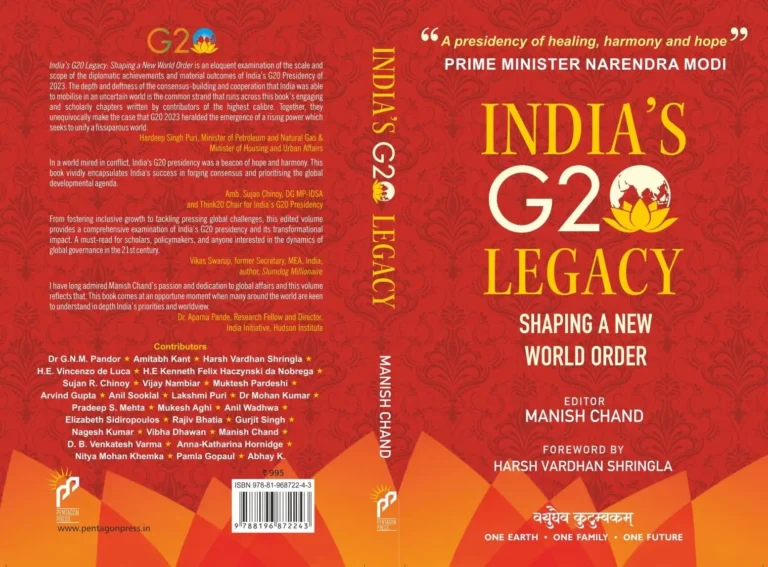
“In geopolitical and foreign policy terms, Shinzo Abe has left a lasting legacy. Concepts like Indo-Pacific were given a new life and resonance in international discourse by Abe,” said Manish Chand, foreign policy commentator and Editor-in-Chief, India and The World, a magazine-journal focused on international affairs. “It’s a sad day for a rules-based world order as Abe was an ardent advocate and progenitor of Free and Open Indo-Pacific. It’s a sad day for India-Japan relations as it was Abe who provided a new quality and strategic dimension to India-Japan partnership,” said Mr Chand.
“PM Modi and Abe had developed a special personal rapport. The Modi-Abe chemistry propelled India-Japan relations to new heights,” said Chand. “Under Abe’s watch as Japan’s much-loved and admired leader, Japan became India’s closest strategic partner in Asia and a preeminent partner in India’s development journey,” said Mr Chand. “He was a prime mover behind the Quad grouping of democracies which includes the US, India, Japan and Australia, and nurtured Quad as a pressure group against Chinese assertiveness,” said Mr Chand. “PM Shinzo Abe always had focus on Japan’s defence and security. He often spoke about Asian ‘Security Diamond’ initiative, which later evolved into Indo-Pacific. In 2015, we roped in Japan as a participant in Malabar exercises. It had shared vision of PM Abe and PM Modi,” said Sujan Chinoy, a former Indian ambassador to Japan and Director-General, Manohar Parrikar Institute for Defence Studies and Analysis (MPIDSA).