











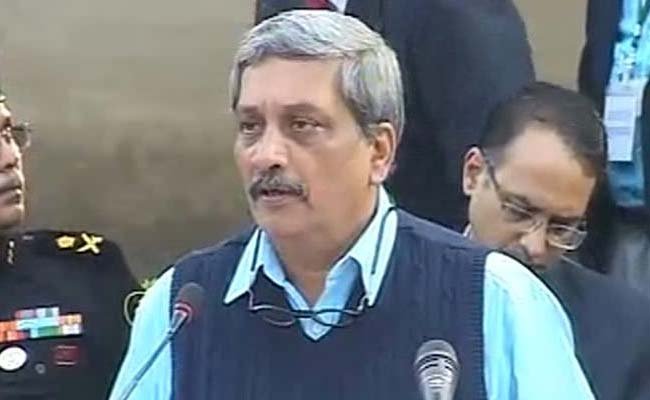
The ease with which a bunch of terrorists infiltrated the high-security Pathankot air base and unleashed mayhem has shocked India. Even as speculation continues about the identity of attackers, Defence Minister Manohar Parrikar has finally admitted that there were lapses in the security system at the airbase. “The operations at the Pathankot Air Base, attacked by terrorists on the weekend, reveal some gaps,” said Mr Parrikar on January 5. Mr Parrikar visited the airbase where seven Indian soldiers were killed and around 20 injured. Responding to allegations that security lapses allowed a group of six terrorists to enter the airbase, Mr Parrikar said that “his major concern was how terrorists from Pakistan were able to enter India”, and pointed out that there are plenty of blindspots in the compound of nearly 2000 acres. The minister, however, put on a brave face, and asserted that there was no compromise on security. The Modi government has come in for sharp criticism from defence and security experts as well as the media about India’s preparedness to handle such situations. Of the seven martyrs, one was killed in active combat; the deaths of the others were a case of “bad luck”, Mr Parrikar said. Confirming that the weapons were from Pakistan, he stated that that some of the equipment recovered from the killed terrorists including 50 kilos of ammunition were made in Pakistan. The preliminary probe by National Investigating Agency (NIA), the anti-terror agency formed after the 2008 Mumbai attacks, has disclosed the involvement of Pakistan-based terrorists in the Pathankot attacks. “The preliminary probe points to involvement of Pakistan-based elements as indicated by phone intercepts. A team of 20 officers from the NIA is in Pathankot and gathering evidence,” said NIA’s Director-General Sharad Kumar.