





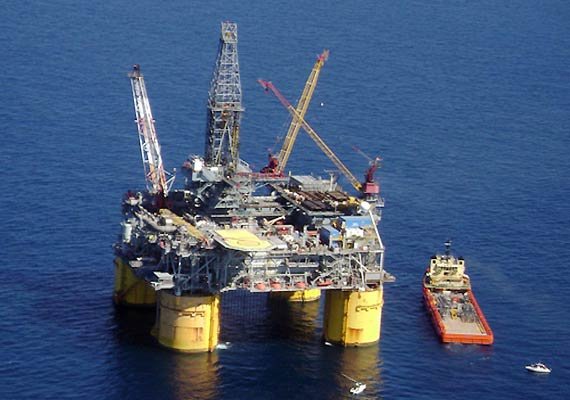
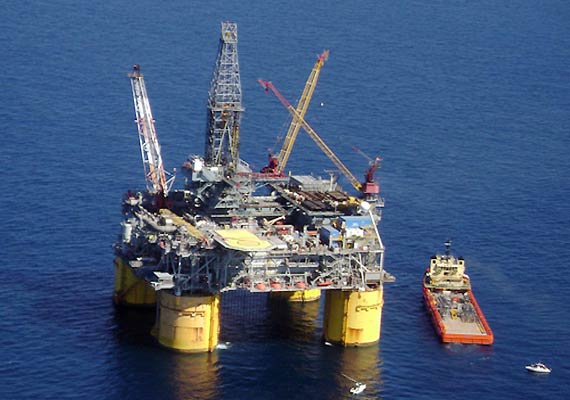
 Amid China’s assertive postures in South China Sea, Vietnam has invited India to explore oil and gas in the disputed region, a move that is sure to be resented by a prickly Beijing. India and Vietnam have already entered into an agreement for oil and gas exploration in the Exclusive Economic Zone (EEZ) in the region. India has been vocal in recent times on the freedom of navigation in the South China Sea due to China’s growing assertion in the disputed region. India has been pushing for resolving disputes in the region through a peaceful manner and within the purview of international law. “Vietnam has sovereign rights and jurisdiction within 200 nautical miles of our EEZ and continental shelf in accordance with UNCLOS 1982. We are determined to protect our rights and maintain regular activities in our sovereign waters. Accordingly, we shall continue to cooperate with other countries including India to explore and exploit resources within our 200-nautical-mile EEZ,” Vietnam’s Ambassador to India Ton Sinh Tanh said on February 24. India has been ramping up economic and defence ties with countries in the Asia-Pacific region to counter what some perceive as China’s expansionist designs in the region. India has entered into strategic understandings with countries such US, Vietnam and Japan to ensure freedom of navigation in the South China Sea. India’s leading public sector oil giant ONGC has entered into a collaboration with Vietnam in exploring oil blocks in the region. India and Vietnam have also stepped up cooperation in defence and maritime security. India recently installed a satellite tracking system in Vietnam that will provide the latter high resolution images to track the activities in the disputed South China Sea region. India’s growing proximity to Vietnam has not gone down well with China which has objected to India’s navigation in the disputed South China Sea region and using it for commercial purposes. Vietnam also appreciated India’s position on resolving the South China Sea dispute peacefully and cited the example of India and Bangladesh resolving their maritime dispute peacefully through UN’s arbitration tribunal as a good example to resolve the South China Sea dispute.