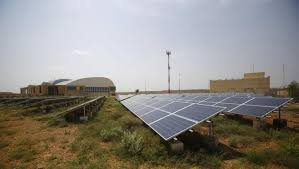









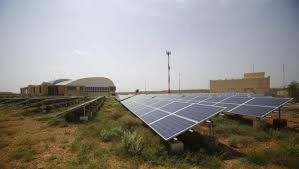
In a major setback to India, the dispute settlement panel of World Trade Organisation (WTO) ruled that the government’s power purchase agreements flout international norms and discriminate against US companies. US had earlier filed a complaint with the global trade body which alleged that India’s “localisation” rules discriminating against imported solar cells and modules under India’s National Solar Mission. Hailing the ruling by WTO, the US Trade Representative (USTR) Michael Froman said: “It is an important outcome, not just as it applies to this case, but also as other countries consider localisation policies.” The USTR said that it had initiated this dispute in February 2013 as it considered India’s domestic content requirements are not consistent with the WTO rules. The WTO rules prohibit discrimination against imported products. The US maintains that India can reach its clean energy goals faster and more cost-effectively by allowing solar technologies to be imported from the US and other solar producers. “Today, the WTO panel agreed with the United States that India’s ‘localisation’ measures discriminate against US manufacturers and are against WTO rules,” Mr Froman said. “The US and India are strong supporters of the multilateral, rules-based trading system and take our WTO obligations seriously,” he added. Under WTO guidelines, member nations are not supposed to insist on national content requirements that discriminate against foreign products and governments are also expected to treat imports on par with domestically manufactured products. In the past, India has also been charged by the US of violating provisions in the Trade Related Investment Measures (TRIMS) by placing local content requirements that discriminate against foreign products. India and US have found themselves at opposing ends on many major issues at the WTO. This is also due to differences between the perceptions of a developed economy and an emerging economy. The US and India have enhanced their partnership in recent years, but it is unlikely that they would come together on many issues.