

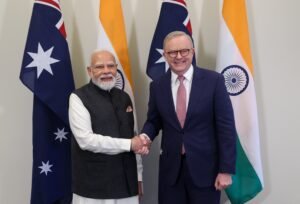










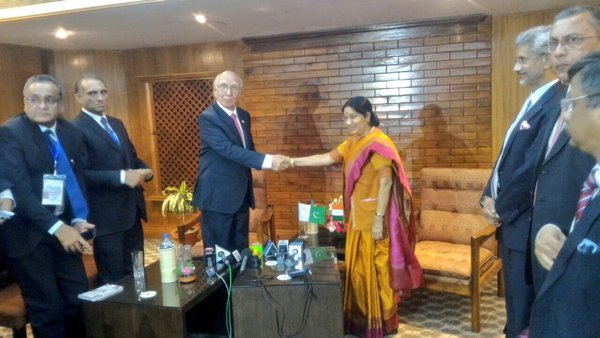
In yet another move that could stall regional initiatives, Pakistan has decided to opt out of the SAARC satellite project designed to enhance connectivity in the region. The SAARC satellite project was proposed by Prime Minister Narendra Modi during the 18th SAARC summit in November 2014. At the summit in Kathmandu in November 2014, Mr Modi had announced India’s decision to develop the satellite. The aim of developing the satellite was to benefit all member countries in different fields, which included telecommunication and tele-medicine. India’s External Affairs Ministry spokesperson Vikas Swarup said: “Pakistan has decided to opt out of the satellite project. So it cannot be called a SAARC satellite. It will be a South Asia satellite.” The SAARC satellite project was aimed at helping India to book a slot in the orbit, where the satellite was expected to be placed. Mr Modi had said the satellite will help in reducing poverty in the region. The satellite was conceptualised by Indian Space Research Organisation(ISRO) and dedicated for the SAARC region. The satellite system initiative is being funded solely by India. The satellite seeks to assist India’s neighbours in various ways. The plan was to provide tele-medicine links within member nations as well as setting up of e-classrooms for skill development. The satellite was also designed to assist in enabling emergency communication for disaster situations and inter-governmental networks. Pakistan decided to opt out of the project as it has reservations over the safety of its space programme data. Pakistan had conveyed this decision officially during the SAARC council of ministers meet at Pokhara (Nepal) held on March 17.