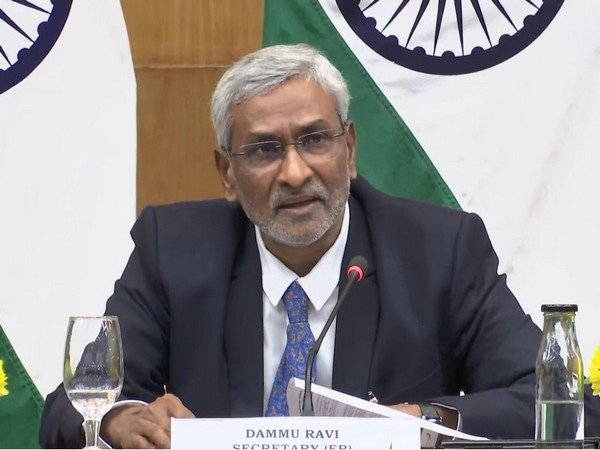








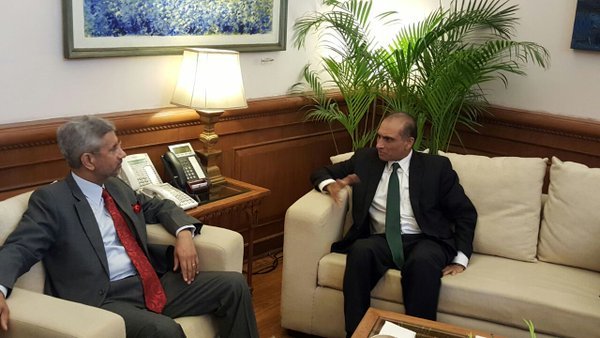
Stop being in denial on terrorism – this was the overarching message of India to Pakistan as the foreign secretaries of the two estranged neighbours held talks after months of drift in an attempt to revive the stalled dialogue process. The two top diplomats held discussions in New Delhi on the sidelines of the ‘Heart of Asia’ conference on April 26. During the meeting between Foreign Secretary S. Jaishankar and his Pakistani counterpart Aizaz Ahmed Chaudhry, the two sides discussed ways to take forward the Comprehensive Bilateral Dialogue (CBD) which had hit a roadblock in the backdrop of the Pathankot attacks. Underlining the need for early and visible progress on the Pathankot terrorist attack investigation as well as the Mumbai case trial in Pakistan, Mr Jaishankar raised the issue of listing of JeM leader Masood Azhar, the prime suspect in the Pathankot attack, in the UN 1267 Sanctions Committee. “Pakistan cannot be in denial on the impact of terrorism on the bilateral relationship. Terrorist groups based in Pakistan targeting India must not be allowed to operate with impunity.” India made it clear that it wants to see action on terror and Pathankot first before the dialogue could be resumed. Raising the issue of Kulbhushan Jadhav, the former naval officer abducted and taken to Pakistan, India demanded immediate consular access to him. India and Pakistan also discussed humanitarian issues pertaining to fishermen and prisoners and people t people contact including religious tourism. “The Foreign Secretary (Chaudhry) emphasised (in his meeting with Jaishankar) that Kashmir remains the core issue that requires a just solution, in accordance with UN resolution and wishes of the Kashmiri people,” according to a statement released by Pakistan High Commission.