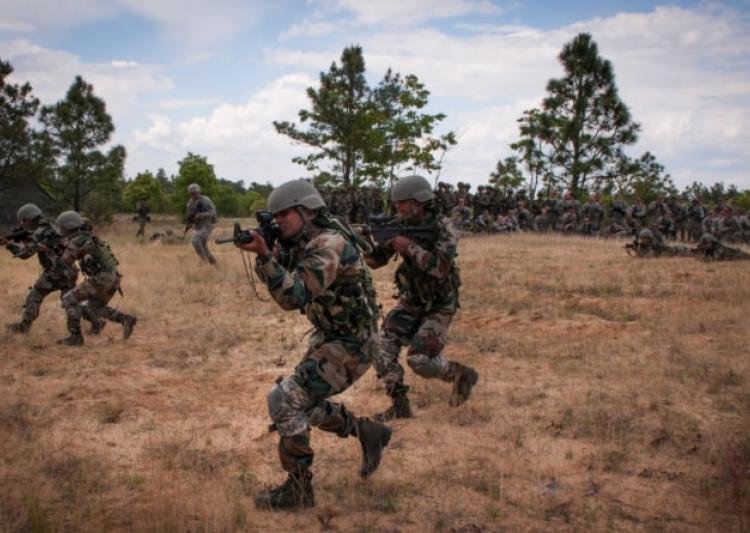
The surgical strikes by India’s Special Forces on seven terrorist camps in Pakistan-occupied Kashmir have sparked fears of an escalation in India-Pakistan tensions which could spiral out of control. The reactions ranged from expressions of support and solidarity to concern and the need for restraint to deescalate tensions. Reacting to the Uri terror strike by Pakistani militants that killed 18 Indian soldiers, the world had rallied strongly behind India on the issue of cross-border terror and supported New Delhi’s call for a united global response to terrorism. Global Reactions: Highlights US 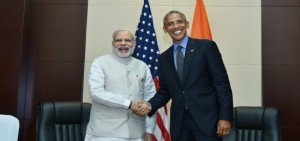 US National Security Advisor Susan Rice called on Pakistan “to combat and delegitimise” terror groups operating from its soil, including Jaish-e-Muhammad,” which Indian blamed for the attack in Uri that killed 18 soldiers. In a conversation with her Indian counterpart Ajit Doval, Ms Rice not only condemned the terrorist strike in Uri but also highlighted the dangers to peace from cross border terrorism in this region. She hoped that Pakistan will take an “effective action to combat and delegitimise United Nations-designated terrorist individuals and entities, including Lashkar-e-Taiba, Jaish-e-Muhammad, and their affiliates”. Britain With tensions escalating between the two neighboring countries, Britain asked India and Pakistan to “exercise restraint in the wake of surgical strikes by Indian troops across the Line of Control’. A spokesperson from Britain’s Foreign Office said: “We are monitoring the situation closely following reports of strikes carried out by the Indian Army over the LoC in Kashmir. We call on both sides to exercise restraint and to open dialogue.” China China has said it is in ‘constant touch with both countries to reduce tensions’. Geng Shuang, a spokesperson of China’s Foreign Office, said: “China was in communication with both sides through different channels and hoped that Indian and Pakistan can enhance communication, properly deal with differences and work jointly to maintain peace and security.” China expressed hope that “Islamabad and New Delhi will resolve the issue through dialogue and maintain regional peace and stability by joint efforts”. Bangladesh Bangladesh backed India’s strong steps to deal with Pakistan-sponsored terror. “India has all legal and internationally accepted rights to respond to any attack on her sovereignty and territory,” said Iqbal Chowdhury, adviser to Bangladesh Prime Minister Sheik Hasina. Russia
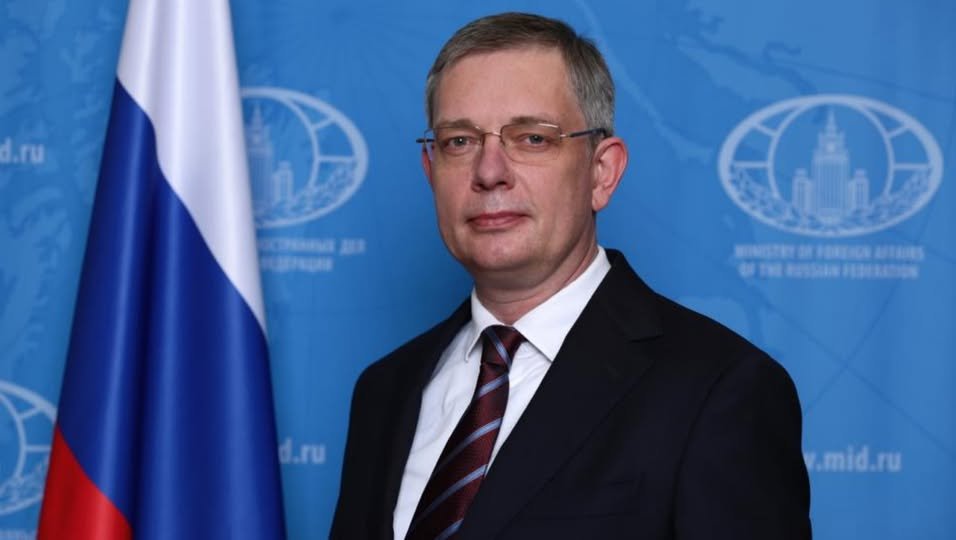
 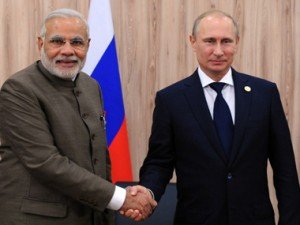 The Russian Foreign Ministry issued a strong statement after the surgical strikes conducted by Indian troops. “We are concerned with the aggravation lately of the situation along the Line of Control between India and Pakistan. We are calling on the parties not to allow any escalation of tension and to settle the existing problems by political and diplomatic means through negotiations. We stand for decisive struggle against terrorism in all its manifestations. We expect the government of Pakistan to take effective steps in order to stop the activities of terrorists’ groups in the territory of the country.” Afghanistan Afghanistan’s Ambassador to India Shaida Mohammad Abdali applauded New Delhi for taking concrete steps to counter terrorism. “I applaud Prime Minister Modi for his boldness and his seriousness to fight terrorism more effectively, and all other countries should support him, so that we can be free from terrorism,” said the Afghan envoy. South Korea
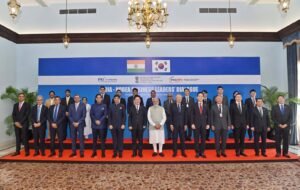
 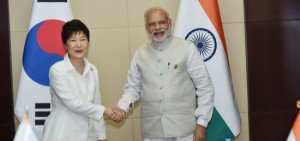 South Korea supported India’s stand on Pakistan-sponsored terrorism and underlined that the two countries stand united on the issue. This was conveyed by South Korea’s President Park Geun-hye to Lok Sabha Speaker Sumitra Mahajan during the latter’s visit to Seoul. United Nations Stephane Dujarric, spokesperson for UN Secretary-General, urged both India and Pakistan to exercise restraint and resolve differences through dialogue. He added that officials were following the increase in tensions in Kashmir with great concern. “UN military observers were in contact with both sides to try to obtain further information,” he said. (Mrittika Nandy contributed inputs for this article)