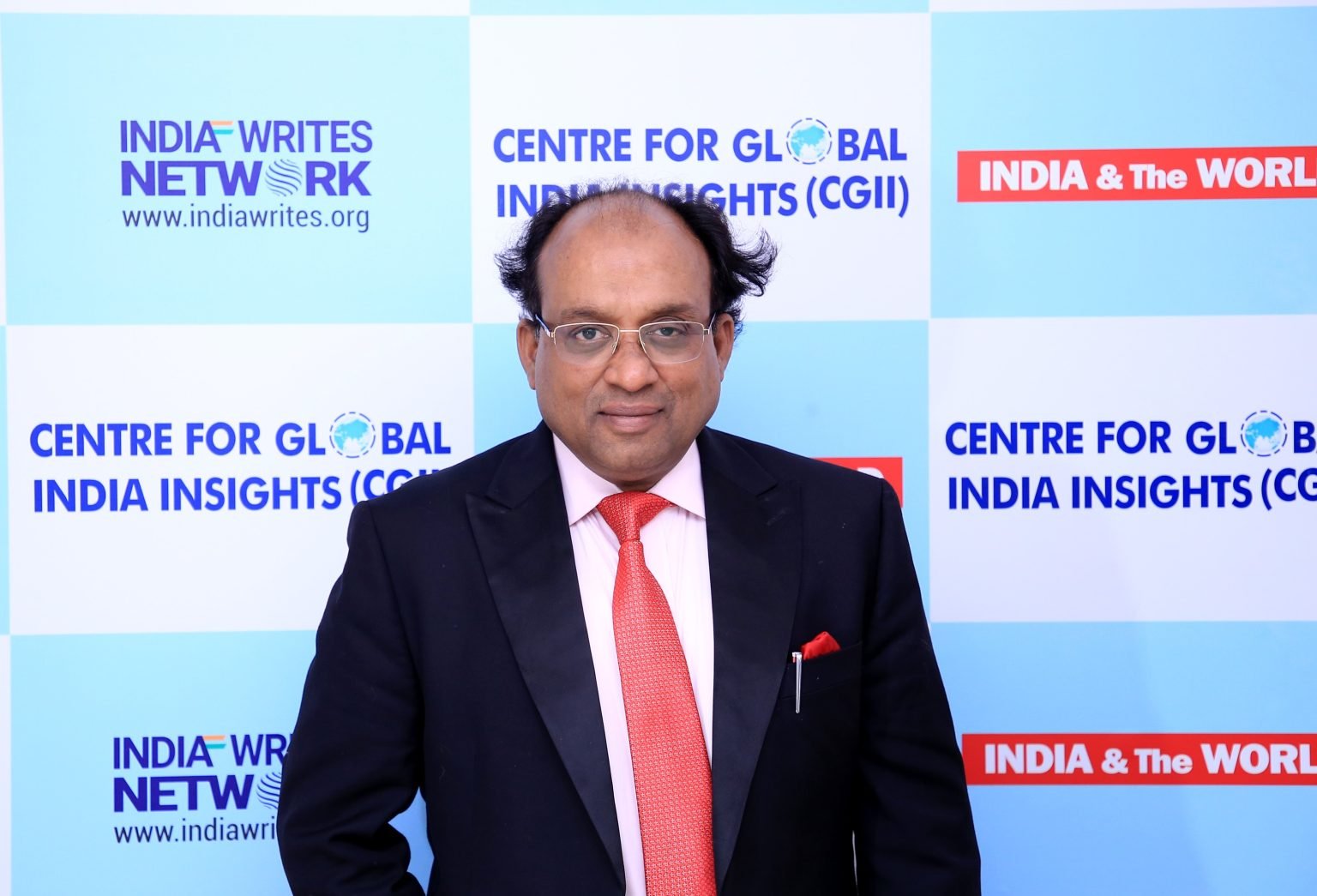


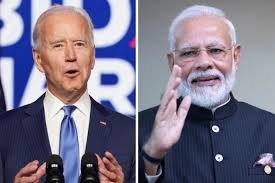
In their first conversation since the change of guard in Washington, Prime Minister Narendra Modi and US President Joe Biden focused on enhancing India-US strategic partnership in the Indo-Pacific with a view to constraining China’s assertiveness in the region. The telephonic conversation between the two leaders focused on issues ranging from climate change to COVID-19 to addressing global terrorism and shaping an inclusive regional architecture in the Indo-Pacific. Underlining a shared commitment to democratic values and common strategic interests, India’s external affairs ministry said that the two leaders “reiterated the importance of working with like-minded countries to ensure a rules-based international order and a free, open and inclusive Indo-Pacific region.” Enhancing cooperation to combat climate change dominated the conversation. PM Modi welcomed President Biden’s decision to re-commit to the Paris Agreement and highlighted the ambitious targets India has set for itself in the area of renewable energy. PM Modi welcomed President Biden’s initiative to organize the Climate Leaders Summit in April this year and looked forward to participating in the same, said the statement. “The first telephonic conversation between PM Modi and President Biden has set a very ambitious agenda for upscaling India-US partnership across the spectrum. The emphasis on the Indo-Pacific suggests that the world’s largest democracies will cooperate with renewed vigour to ward off unilateralism in the region,” said Manish Chand, Editor-in-Chief, India Writes Network and India and the World magazine. The two leaders committed to “work closely together to win the fight against the COVID-19 pandemic, renew their partnership on climate change, rebuild the global economy in a way that benefits the people of both countries and stand together against the scourge of global terrorism,” the White House said in a statement. The statement added that “a shared commitment to democratic values is the bedrock of the US-India relationship” and stressed that the rule of law and democratic process must be upheld in Burma. Earlier, External Affairs Minister S. Jaishankar and his US counterpart Antony Blinken had pledged to expand the strategic partnership between the two countries and to work for peace and security in the Indo-Pacific. They had also discussed the challenges of a post-Covid world and agreed to address global issues, including safe and affordable vaccine supply. (Palak Chhabra contributed inputs for this article)