

By Shweta Aggarwal
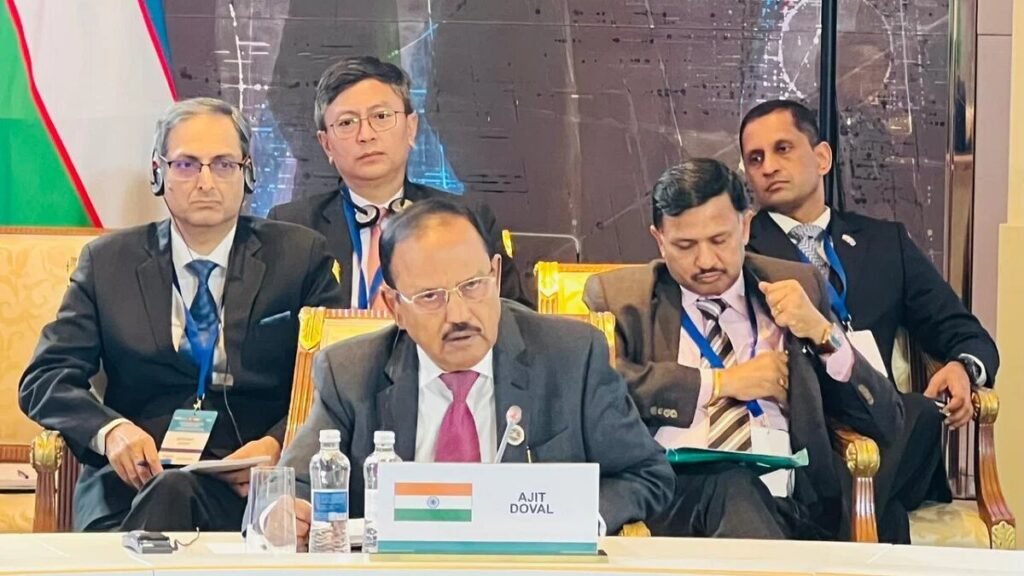
In a veiled swipe at China’s Belt and Road Initiative, India’s National Security Adviser Ajit Doval has underlined that connectivity initiatives should be “consultative, transparent, and participatory.” Connectivity and economic integration with the Central Asian countries is a key priority for India, said Mr Doval at a meeting of Indian and Central Asian security officials in the Kazakh capital Astana. In the same breath, Mr Doval said that “while promoting connectivity, it is important to ensure that connectivity initiatives are consultative, transparent, and participatory. They should respect sovereignty and territorial integrity of all countries.” “They should also adhere to environmental parameters, ensure financial viability, and not become debt burdens,” said NSA Doval. Mr Doval’s remarks are widely seen as a critique of China-led BRI, which is accused of plunging recipient nations into a debt trap. Mr Doval’s remarks coincided with China’s hosting of the Third Belt and Road Forum in Beijing, which is being attended by the leaders and representatives of more than 100 countries. Mr Doval also offered India’s assistance to Central Asian states to tackle terrorism, drug trafficking and to build defences against cyber threats.
Doval stressed that terrorism, in all forms and manifestations, remains one of the most serious threats to international security and all such acts, regardless of motivation or cause, are unjustifiable. “Malign actors from interconnected networks” threaten the shared neighbourhood, said Mr Doval. He described drug trafficking as a serious menace which is often leveraged by terror groups and organised criminal gangs and highlighted the need for close coordination to tackle this problem.
India will work closely with Central Asian states to help them build defences against cyber threats and create a secure cyber ecosystem, Doval said. He invited the heads of cyber security agencies of the Central Asian countries to India for a “strategic cyber experience” since capacity building and sharing of experiences are cornerstones for strengthening cooperation in this area. Doval, a close aide of Prime Minister Modi. offered to provide the United Payment Interface (UPI) technology free of cost to Central Asian states and to facilitate the setting up of sovereign digital real-time payment systems in line with the needs of these countries.