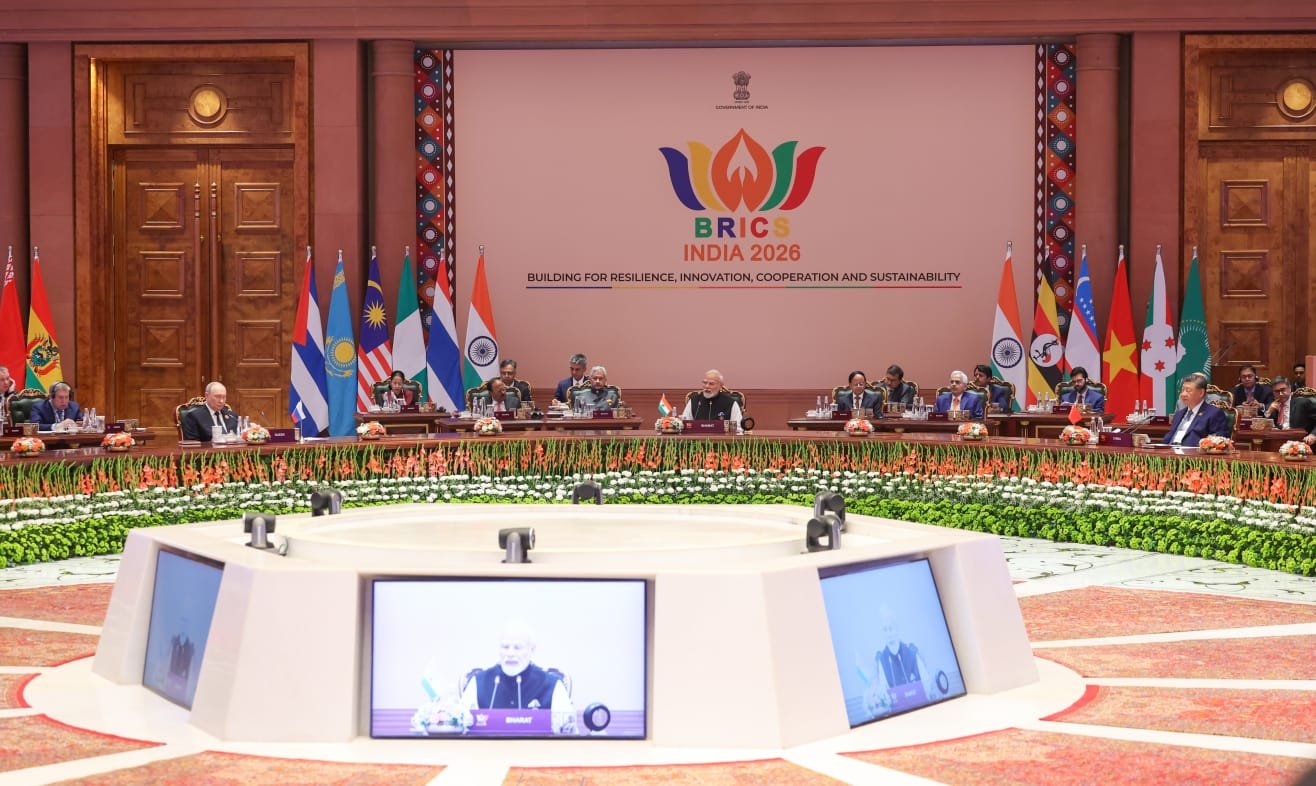
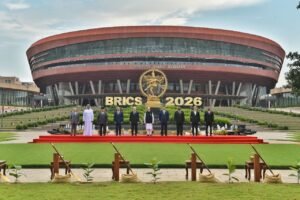
The 18th BRICS Summit in New Delhi placed global governance reform at the centre of the grouping’s agenda. Coming at a time of growing demands for greater representation of emerging markets and developing countries (EMDCs), the summit sought to move the discussion beyond criticism of existing institutions towards how the Global South could play a stronger role in shaping them. Prime Minister Narendra Modi framed this challenge starkly in his opening remarks at the session on “Inclusive Global Governance and Strengthening Multilateralism” on September 12, 2026. He observed that the Global South is “in the front row of global crises, but in the back row of decision-making,” arguing that the existing “pyramid of privilege” should become a “platform of partnership. His central proposition was that BRICS should develop ten proposals for global governance reform, potentially consolidated into a BRICS Reform Roadmap by the next Summit, structured around three principles: Representation, Responsiveness and Rule-making.
The New Delhi Declaration gives this political message collective BRICS backing. It commits the grouping to promoting a more just, equitable, effective, representative, and accountable multilateral system, while emphasising greater participation of EMDCs and least developed countries in global decision-making. The Declaration also explicitly links this agenda to the reform of the United Nations Security Council, the Bretton Woods institutions, and the World Trade Organization.
Security Council Test
The UN Security Council is the most visible test of the BRICS’ reform agenda. The New Delhi Declaration reiterates support for comprehensive UN reform, including the Security Council, with the objective of making it more democratic, representative, effective and efficient. It calls for greater representation of developing countries and specifically recognises the aspirations of African countries, as reflected in the Ezulwini Consensus and Sirte Declaration. It also notes the support of China and Russia, as permanent members of the Council, for the aspirations of Brazil and India to play a greater role in the UN, including the Security Council. Prime Minister Modi put the urgency even more directly: “reform of the UN Security Council can no longer be delayed.”
But declarations are not guarantees of implementation. This is particularly relevant because Security Council reform ultimately remains a UN Member State-driven process. The ongoing Intergovernmental Negotiations in New York provide the principal forum for discussions on the Council’s composition and working methods. BRICS, therefore, cannot itself reform the Council; its contribution may lie instead in building political convergence and carrying reform positions into wider UN negotiations.
The New Delhi Declaration’s emphasis on an “amplified voice of the Global South” is significant in this context. The grouping provides a platform where the aspirations of different regions, particularly Africa, Asia and Latin America, can be discussed alongside the interests of the major emerging powers. Its value, therefore, lies not in substituting for formal negotiations, but in helping build the political convergence where possible and carrying that convergence into the UN process.
From Representation to Rule-Making
PM Modi’s intervention also broadened the reform discussion beyond institutional representation. His second major theme was rule-making. He argued that areas such as artificial intelligence, cyberspace, outer space, biotechnology, and critical technologies are already shaping the rules that will govern the future. His proposal was therefore not merely to secure greater representation for developing countries, but to move the Global South from being a “rule-taker” to a “rule-shaper.” BRICS, he suggested, could provide young diplomats and policymakers from the Global South with negotiation skills, practical training, and legal expertise.
That distinction between representation and influence is important.
Greater representation does not automatically translate into greater influence. Countries also require the technical and negotiating capacity to shape emerging international norms. In this sense, BRICS could function as a capacity-building and coordination platform, helping developing countries move from being recipients of internationally negotiated rules to more active participants in their formulation.
Reforming Economic Governance
The New Delhi agenda also demonstrates that BRICS’ reform ambitions extend beyond the UN. The Declaration describes reform of global economic governance as a continuing BRICS priority and calls for international financial institutions to become more representative, transparent, and accountable. It specifically calls for greater representation of EMDCs in the IMF and World Bank and supports reform of their governance structures to reflect changes in the global economy. The same approach is visible in the WTO. The Declaration supports continued BRICS coordination in multilateral negotiations in Geneva and calls for reform that strengthens the WTO’s effectiveness, inclusiveness, and relevance. Thus, the BRICS approach is increasingly about coordinating positions before engaging with existing multilateral institutions. Rather than replacing the UN, IMF, World Bank or WTO, BRICS can seek to increase the collective influence of its members within them.
From Declarations to Continuity
The key challenge, however, will lie in implementation — in moving from vision to action. A declaration records consensus; it does not guarantee delivery. The New Delhi Declaration itself recognises the need for “outcome oriented enhanced coordination, continuity and support for a long-term institutional development” of BRICS. It also welcomes progress towards the establishment of a BRICS Online Archival Database and its early operationalisation.
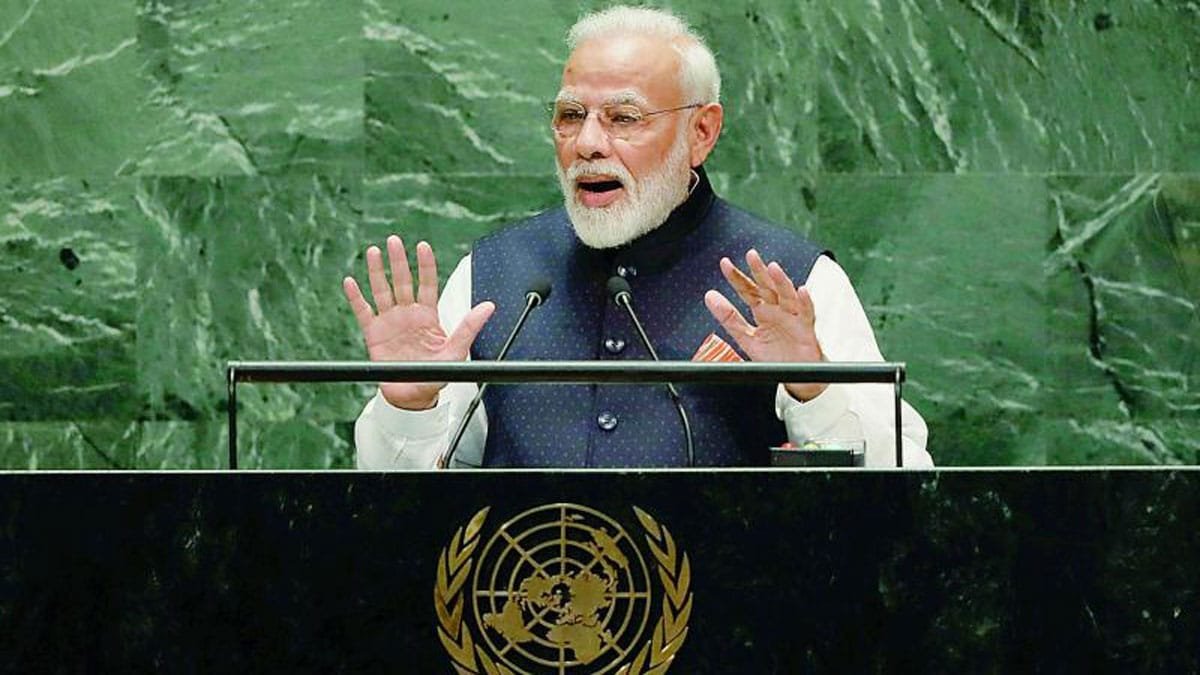
Prime Minister Modi gave this continuity agenda a more concrete institutional form by proposing a “BRICS Continuity and Implementation Mechanism,” to be carried forward through the Troika of the outgoing, current and incoming Chairs, with systematic follow-up on initiatives and outcomes. He also proposed a BRICS Reform Roadmap, built around ten proposals for global governance reform.
Together, these initiatives could provide greater continuity and direction across successive BRICS chairships, rather than allowing agreed priorities to remain annual political declarations. It remains to be seen whether these proposals will be taken forward by the incoming Chair, China, which assumes the BRICS Chairship in 2027.
The broader significance of India’s Chairship is consequently the attempt to connect political voice with institutional follow-through. The New Delhi Summit does not give BRICS the authority to reform the global governance system, nor can it substitute for the formal negotiating processes of the United Nations and other institutions. Its potential role is different. BRICS can help accelerate reform by building convergence among major emerging economies and the wider Global South, coordinating positions before multilateral negotiations, strengthening negotiating capacity, and maintaining continuity across successive chairships. Modi specifically proposed using BRICS to provide young diplomats and policymakers from the Global South with negotiation skills, practical training and legal expertise.
The New Delhi agenda consequently seeks to move the BRICS debate from representation towards influence. Prime Minister Modi’s formulation: “From voice to impact. From privilege to partnership,” captures this ambition.
Whether this translates into institutional change will depend on the ability of BRICS members to convert their shared declarations into sustained positions within the UN, IMF, World Bank, WTO, and other multilateral forums. But the New Delhi Summit provides a clearer framework for attempting precisely that: greater representation, more responsive institutions, and a stronger role for the Global South in shaping the rules of the international system. Whether the gauntlet will be taken up remains an open question.

From Voice to Impact: BRICS and Push for Global Governance Reform
The 18th BRICS Summit in New Delhi placed global governance reform at the centre of the grouping’s agenda. Coming at a time of growing demands for greater representation of emerging markets and developing countries (EMDCs), the summit sought to move the discussion beyond criticism of existing institutions towards how the Global South could play a stronger role in shaping them. Prime Minister Narendra Modi framed this challenge starkly in his opening remarks at the session on “Inclusive Global Governance and Strengthening Multilateralism” on September 12, 2026. He observed that the Global South is “in the front row of global crises, but in the back row of decision-making,” arguing that the existing “pyramid of privilege” should become a “platform of partnership. His central proposition was that BRICS should develop ten proposals for global governance reform, potentially consolidated into a BRICS Reform Roadmap by the next Summit, structured around three principles: Representation, Responsiveness and Rule-making.
The New Delhi Declaration gives this political message collective BRICS backing. It commits the grouping to promoting a more just, equitable, effective, representative, and accountable multilateral system, while emphasising greater participation of EMDCs and least developed countries in global decision-making. The Declaration also explicitly links this agenda to the reform of the United Nations Security Council, the Bretton Woods institutions, and the World Trade Organization.
Security Council Test
The UN Security Council is the most visible test of the BRICS’ reform agenda. The New Delhi Declaration reiterates support for comprehensive UN reform, including the Security Council, with the objective of making it more democratic, representative, effective and efficient. It calls for greater representation of developing countries and specifically recognises the aspirations of African countries, as reflected in the Ezulwini Consensus and Sirte Declaration. It also notes the support of China and Russia, as permanent members of the Council, for the aspirations of Brazil and India to play a greater role in the UN, including the Security Council. Prime Minister Modi put the urgency even more directly: “reform of the UN Security Council can no longer be delayed.”
But declarations are not guarantees of implementation. This is particularly relevant because Security Council reform ultimately remains a UN Member State-driven process. The ongoing Intergovernmental Negotiations in New York provide the principal forum for discussions on the Council’s composition and working methods. BRICS, therefore, cannot itself reform the Council; its contribution may lie instead in building political convergence and carrying reform positions into wider UN negotiations.
The New Delhi Declaration’s emphasis on an “amplified voice of the Global South” is significant in this context. The grouping provides a platform where the aspirations of different regions, particularly Africa, Asia and Latin America, can be discussed alongside the interests of the major emerging powers. Its value, therefore, lies not in substituting for formal negotiations, but in helping build the political convergence where possible and carrying that convergence into the UN process.
From Representation to Rule-Making
PM Modi’s intervention also broadened the reform discussion beyond institutional representation. His second major theme was rule-making. He argued that areas such as artificial intelligence, cyberspace, outer space, biotechnology, and critical technologies are already shaping the rules that will govern the future. His proposal was therefore not merely to secure greater representation for developing countries, but to move the Global South from being a “rule-taker” to a “rule-shaper.” BRICS, he suggested, could provide young diplomats and policymakers from the Global South with negotiation skills, practical training, and legal expertise.
That distinction between representation and influence is important.
Reforming Economic Governance
The New Delhi agenda also demonstrates that BRICS’ reform ambitions extend beyond the UN. The Declaration describes reform of global economic governance as a continuing BRICS priority and calls for international financial institutions to become more representative, transparent, and accountable. It specifically calls for greater representation of EMDCs in the IMF and World Bank and supports reform of their governance structures to reflect changes in the global economy. The same approach is visible in the WTO. The Declaration supports continued BRICS coordination in multilateral negotiations in Geneva and calls for reform that strengthens the WTO’s effectiveness, inclusiveness, and relevance. Thus, the BRICS approach is increasingly about coordinating positions before engaging with existing multilateral institutions. Rather than replacing the UN, IMF, World Bank or WTO, BRICS can seek to increase the collective influence of its members within them.
From Declarations to Continuity
The key challenge, however, will lie in implementation — in moving from vision to action. A declaration records consensus; it does not guarantee delivery. The New Delhi Declaration itself recognises the need for “outcome oriented enhanced coordination, continuity and support for a long-term institutional development” of BRICS. It also welcomes progress towards the establishment of a BRICS Online Archival Database and its early operationalisation.
Together, these initiatives could provide greater continuity and direction across successive BRICS chairships, rather than allowing agreed priorities to remain annual political declarations. It remains to be seen whether these proposals will be taken forward by the incoming Chair, China, which assumes the BRICS Chairship in 2027.
The broader significance of India’s Chairship is consequently the attempt to connect political voice with institutional follow-through. The New Delhi Summit does not give BRICS the authority to reform the global governance system, nor can it substitute for the formal negotiating processes of the United Nations and other institutions. Its potential role is different. BRICS can help accelerate reform by building convergence among major emerging economies and the wider Global South, coordinating positions before multilateral negotiations, strengthening negotiating capacity, and maintaining continuity across successive chairships. Modi specifically proposed using BRICS to provide young diplomats and policymakers from the Global South with negotiation skills, practical training and legal expertise.
Whether this translates into institutional change will depend on the ability of BRICS members to convert their shared declarations into sustained positions within the UN, IMF, World Bank, WTO, and other multilateral forums. But the New Delhi Summit provides a clearer framework for attempting precisely that: greater representation, more responsive institutions, and a stronger role for the Global South in shaping the rules of the international system. Whether the gauntlet will be taken up remains an open question.
Ruchira Kamboj
Related Posts
Enhancing Indo-Pacific Diplomacy for India’s Rise
Diplomatic win for India: BRICS bridges Gulf divide, bats for Global South
Illuminating India’s BRICS moment
With Trump listening in, Iran urges PM Modi to end war with US
India Russia ‘dosti’ in Bishkek: Focus on end of Ukraine war, balanced trade
Uncovering Pakistan: Modi rallies SCO against states that use terror as policy
Latest Events
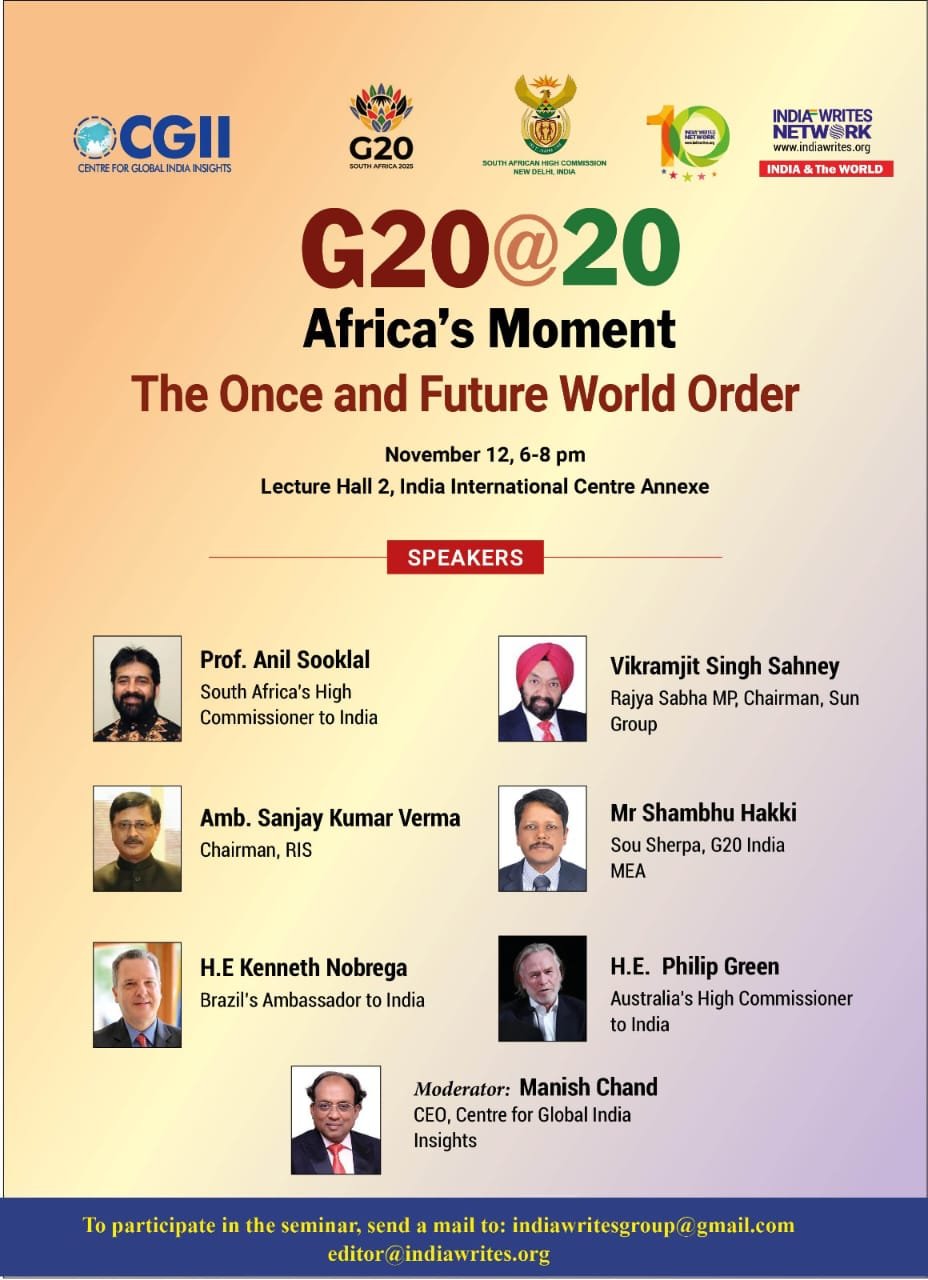
G20@20: Africa’s Moment – The Once and Future World Order
Speakers
Professor Anil Sooklal
Kenneth da Nobrega
Manish Chand
Ambassador Philip Green
Sanjay Kumar Verma
Shambhu Hakki
Vikramjit Singh Sahney
MPs, diplomats laud Operation Sindoor, call for national unity to combat Pakistan-sponsored terror
Speakers
Aparajita Sarangi
Brij Lal
Dr Amar Patnaik
Manish Chand
Priyanka Chaturvedi
Sujan Chinoy
Yashvardhan Kumar Sinha
BRICS summit in Rio to focus on Global South, local currency trade
Speakers
Dammu Ravi
Denis Alipov
Ina Hagniningtyas Krisnamurthi
Jyoti Vij
Kamel Zayed Kamel Galal
Kenneth da Nobrega
Manish Chand
Book
India’s G20 Legacy: Shaping a New World Order
Editor: Manish Chand
Pages: 206
Publisher: Pentagon Press LLP
Cover Price: INR 995
In Conversation
Sanctions create new opportunities, invest in Tatarstan: Taliya Minullina
In The Press
Can BRICS help reshape global order by strengthening emerging economies?
Rescuing G20 from North-South divide: Ubuntu Moment
The Sunday Guardian: India calls for strengthened BRICS cooperation
Daily Excelsior: Ahead BRICS summit in Rio, envoys call for greater focus on combating terrorism
Latest From CGII
India-US trade deal soon, says Rubio
Enhancing Indo-Pacific Diplomacy for India’s Rise
Diplomatic win for India: BRICS bridges Gulf divide, bats for Global South
Illuminating India’s BRICS moment
With Trump listening in, Iran urges PM Modi to end war with US
India Russia ‘dosti’ in Bishkek: Focus on end of Ukraine war, balanced trade
The Journal
Special Edition on India’s Indo-Pacific plus Diplomacy
India’s G20 Journey – Scaling A New Summit