The New Delhi BRICS Summit in September 2026 showcased India’s astute diplomacy in strengthening the grouping’s relevance amid profound geopolitical fragmentation. Coinciding with the landmark 20th anniversary of BRICS, the summit enabled India to go beyond the grouping’s traditional focus on reforming global governance and amplifying the voice of the Global South by placing greater emphasis on practical cooperation in trade, technology, development, culture and people-to-people exchanges. Through its emphasis on a people-centric and humanity-first approach, India reinforced its image as a bridge between developed and developing countries and as a constructive actor in the emerging multipolar order.
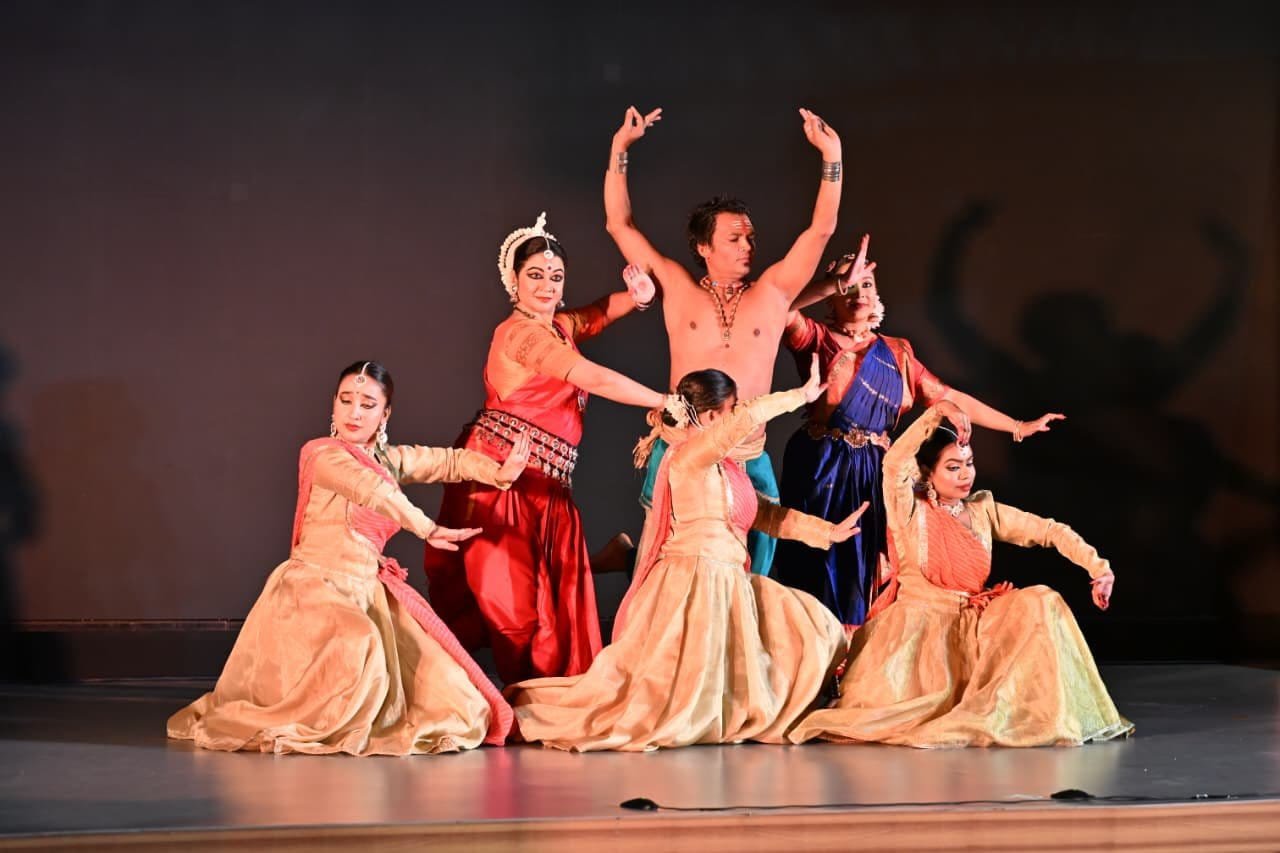
Overall, India’s stewardship demonstrated that BRICS could evolve beyond its origins as primarily an economic grouping into a broader platform for shaping norms, institutions, and partnerships across the Global South. The 18th BRICS Summit marked an important stage in this evolution.
Significantly, cultural and people-to-people cooperation was placed alongside political-security and economic-financial cooperation as one of the three principal pillars of the expanded BRICS framework. This signalled a recognition that the long-term relevance and cohesion of BRICS will require deeper connections among its peoples, cultures and institutions.
This development has a historical connection with India’s earlier BRICS presidency. At the 4th BRICS Summit, held in New Delhi on 29 March 2012, the Delhi Declaration explicitly called for “expanding the channels of communication, exchanges and people-to-people contact amongst the BRICS, including in the areas of youth, education, culture, tourism and sports.” What was then a relatively modest component of the BRICS agenda has, over time, evolved into an extensive network of cultural, educational and people-to-people exchanges, adding an important societal dimension to BRICS cooperation.
BRICS today, with 11 Member States and 10 Partner Countries, has evolved into a diverse grouping, spanning multiple geographies, levels of development and cultural traditions. During its 2026 presidency, India significantly expanded the architecture and visibility of people-to-people cooperation across culture, education, youth, sports, tourism and professional exchanges. Another notable feature of India’s 2026 BRICS Chairship was geographical outreach modelled on the success of its G20 Presidency during 2022-23. More than 400 meetings and engagements were held across 30 cities in India, bringing the BRICS partnership closer to people and communities across the country.
Boosting People-to-People Relations
The original conception of BRICS was predominantly economic. Brazil, Russia, India, China and, subsequently, South Africa represented major emerging economies whose collective weight in the global economy was steadily increasing. Yet a durable international partnership cannot be sustained by trade, investment and diplomatic coordination alone. It also depends on familiarity, mutual understanding and sustained interaction among peoples.
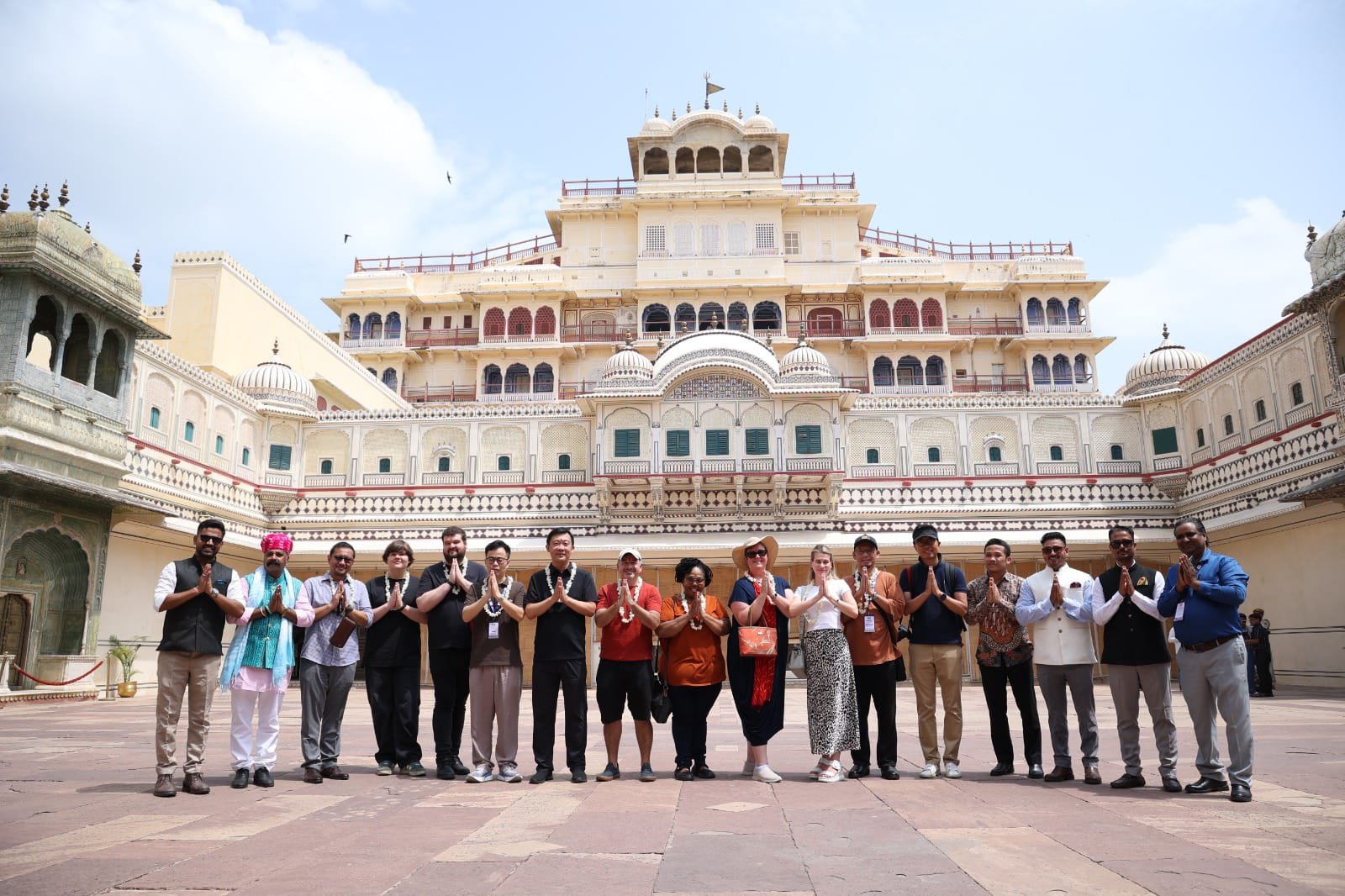
The 2012 Delhi Summit recognised this broader dimension of BRICS. In the years that followed, people-to-people engagement expanded steadily through academic forums, youth exchanges, cultural events, film and theatre initiatives, tourism and sports exchanges, as well as growing networks among universities, think tanks and civil society organisations.
The 2026 New Delhi Summit gave this progression greater institutional depth and visibility. The New Delhi Declaration reaffirmed that people-to-people exchanges are essential to building mutual understanding, friendship and cooperation among BRICS countries. It also recognised an increasingly diverse ecosystem of institutional engagements, including the Youth Council and Youth Summit, Academic Forum, Think Tank Council, Civil Forum, Parliamentary Forum, Tourism Ministers’ Meeting, Business Council, Women’s Business Alliance and meetings of diplomatic academies.
This is significant because it broadens the foundations of BRICS beyond intergovernmental cooperation. These platforms create multiple, sustained channels through which relationships are built among people of BRICS countries.
Culture and Diplomacy
India, China, Russia, Brazil, South Africa and the newer BRICS members bring together a remarkable mosaic of histories, languages, religions, artistic traditions, knowledge systems and intellectual heritage. This diversity is not merely a cultural resource; it can also serve as a powerful foundation for international understanding and cooperation.
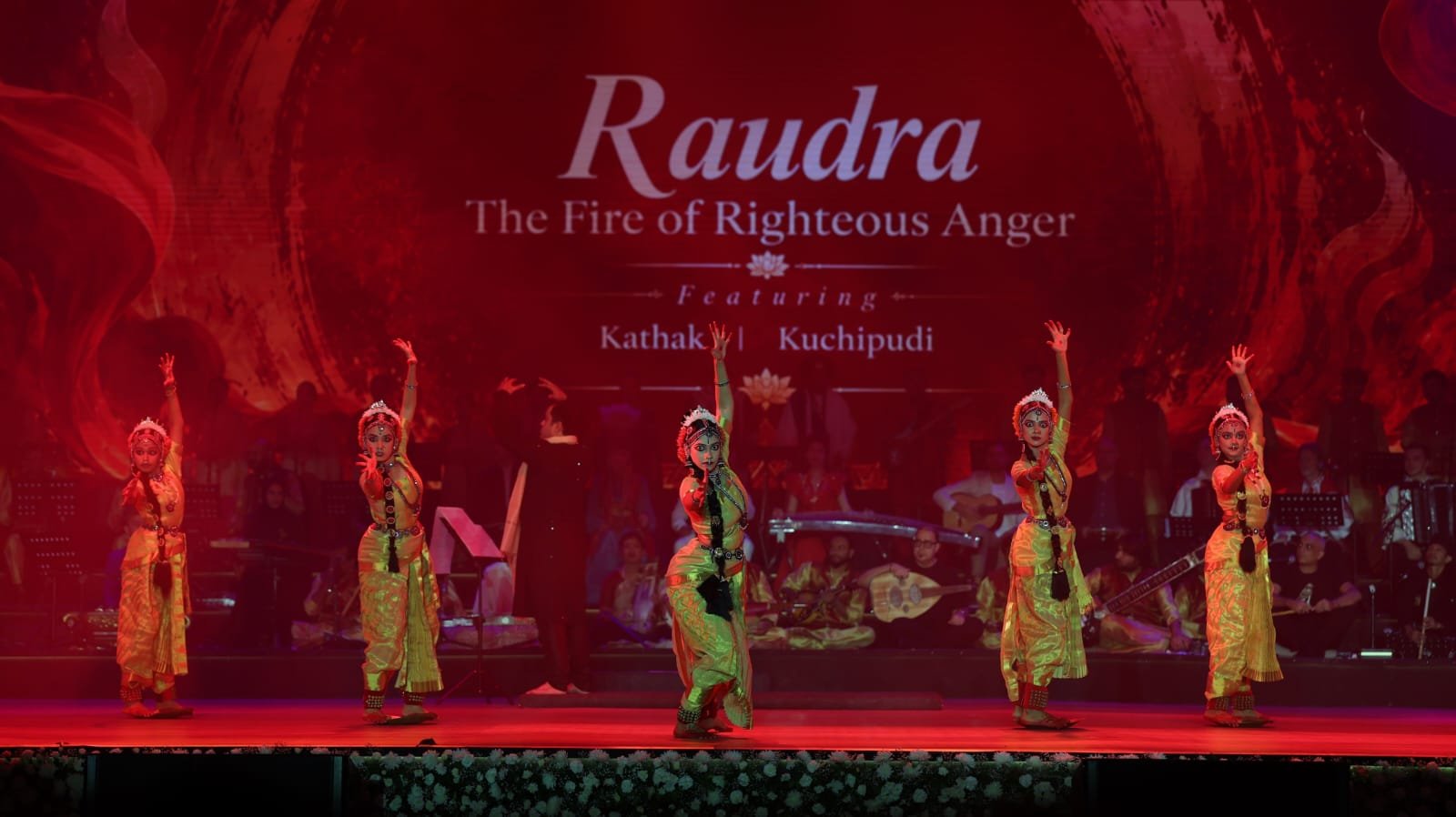
Cultural interactions are most effective when people encounter one another directly. The BRICS Culture Festival, BRICS Film Festival, Theatre Festival and other cultural initiatives provide such platforms. The New Delhi Declaration welcomed these mechanisms for showcasing cultural diversity, facilitating the movement of cultural and creative works, and strengthening people-to-people ties.
At the same time, there is an important shift in perspective. The notion of culture encompasses the knowledge systems, traditions, creative industries, heritage and identities that shape societies. The Bhopal Declaration, adopted at the BRICS Culture Ministers’ Meeting, reinforced this broader approach. Its priorities include the protection of cultural heritage, combating illicit trafficking, restitution and repatriation, cooperation among museums, archives and libraries, capacity-building for artists, and the preservation and promotion of traditional knowledge. The proposed pilot Artist Registry is another practical step towards strengthening professional and cultural exchanges.
India’s Chairship also placed particular emphasis on cultural and creative industries. The BRICS agenda increasingly recognises that films, music, design, handicrafts, publishing, performing arts, digital content and traditional knowledge are simultaneously cultural assets and sources of economic value. This creates opportunities to connect cultural diplomacy with employment, entrepreneurship, innovation and sustainable development.
Education & Academic Cooperation
Education is recognised as a key driver of sustainable development, inclusive growth and stronger people-to-people ties. Emphasis is placed on strengthening the BRICS Network University, promoting cooperation in technical and vocational education and training (TVET), expanding scholarships and academic mobility, facilitating mutual recognition of qualifications, and advancing STEM education, digital literacy and institutional partnerships. Greater recognition is accorded to traditional and indigenous knowledge systems. The BRICS Think Tank Council, Academic Forum, Civil Council and Civil Forum are recognised as important platforms for dialogue, knowledge-sharing and collaboration among academic communities and civil society organisations.
Youth: Investing in the Future
Recognizing young people as drivers of resilience, innovation, inclusion and sustainable development, the New Delhi Declaration places youth cooperation across a broad spectrum of areas – including education, skills development, entrepreneurship, science and technology, innovation, social and cultural participation, volunteering, environmental sustainability, sports and interfaith dialogue.
India’s emphasis on youth is particularly relevant to BRICS, whose members collectively account for a substantial share of the world’s young population. In this context, the BRICS Youth Council and the BRICS Youth Summit merit particular attention. They can serve as important platforms for translating the BRICS agenda into meaningful engagement with younger generations and for nurturing the next generation of entrepreneurs, researchers, innovators, professionals and civic leaders.
Boosting Tourism
The BRICS countries collectively offer an extraordinary tapestry of natural landscapes, cultural traditions and civilisational heritage. Yet, despite this richness, tourism flows among many BRICS countries remain below their potential. The New Delhi Declaration rightly recognises tourism not merely as an economic sector, but as a powerful instrument for cultural understanding, heritage preservation and people-to-people exchanges. It calls for greater cooperation in sustainable, responsible and community-based tourism, as well as the development of historical, cultural, nature-based, gastronomic and health-tourism products.
The diversity of the BRICS world provides a unique foundation for new tourism circuits and experiences. From India’s Buddhist heritage, Himalayan traditions and historic cities to Brazil’s Amazonian landscapes, Russia’s rich cultural heritage, China’s historic urban centres and South Africa’s distinctive blend of wildlife, nature and culture, the possibilities for connecting BRICS societies through tourism are immense. Realising this potential will require reducing practical barriers to travel. Simpler and more predictable visa procedures, improved air connectivity, interoperable digital information platforms and coordinated tourism promotion could significantly increase intra-BRICS travel.
Sports as a Universal Language
Sport represents another under-utilised instrument of BRICS cooperation. The New Delhi Declaration recognises sport as a vehicle for social development and people-to-people exchange and welcomes cooperation through the BRICS Games. Importantly, it also highlights traditional, indigenous and non-Olympic sports, opening a distinctive avenue for cultural diplomacy.
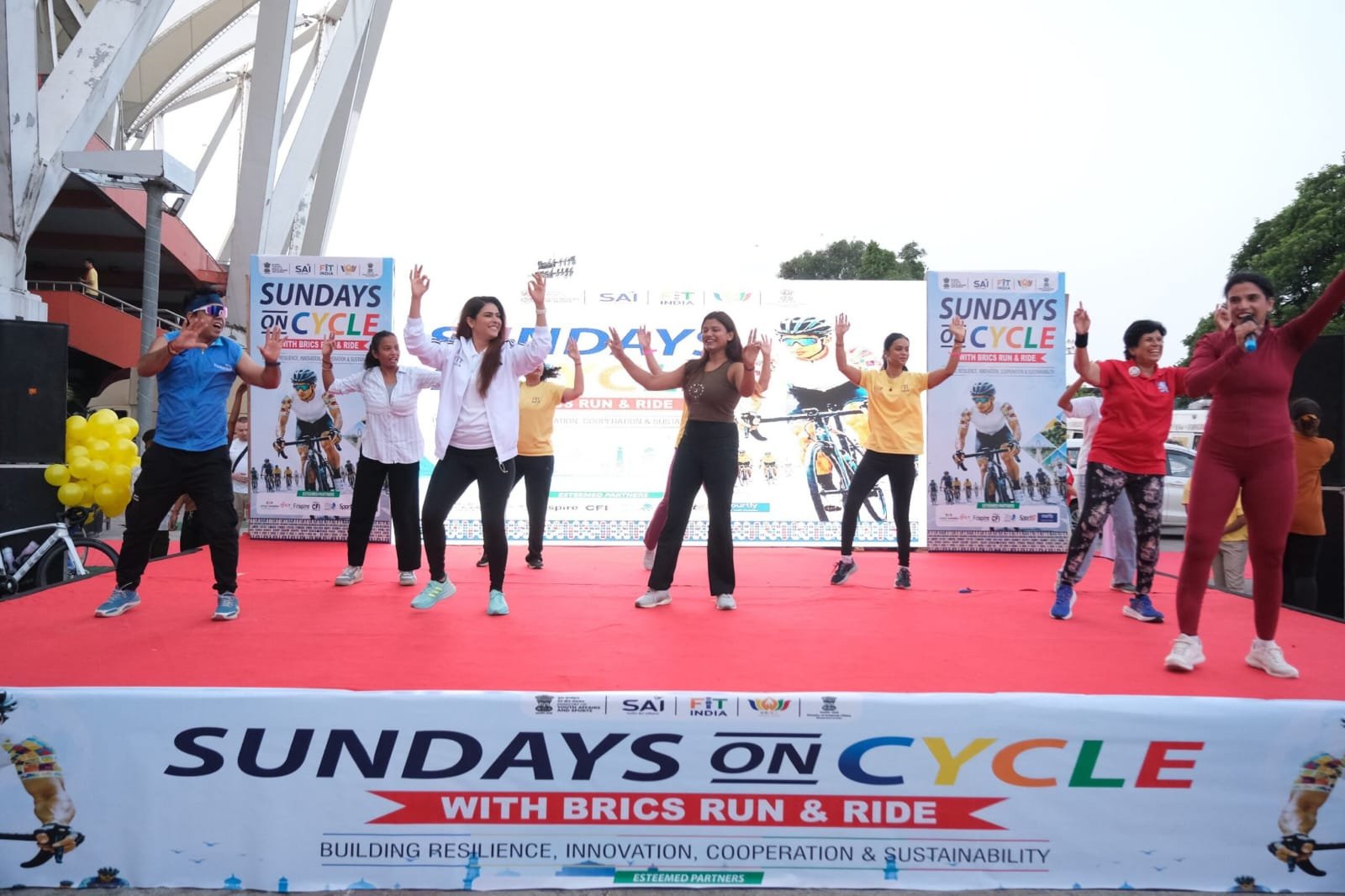
Rather than focusing exclusively on globally dominant sports, BRICS could use sport to celebrate the diversity of its societies and showcase their distinctive sporting traditions-from India’s kabaddi and yoga, Brazil’s football culture, Russia’s combat sports, China’s martial arts and South Africa’s rugby heritage. Exchanges, joint training programmes, youth competitions and festivals centred on traditional sports could give BRICS sports cooperation a strong cultural dimension.
Forging a BRICS Community
One of the most important developments reflected in the New Delhi Declaration is the recognition that BRICS cannot become a durable partnership without stronger bonds among its peoples. The journey from the 2012 Delhi Declaration’s call for greater people-to-people contact to the 2026 New Delhi Declaration’s explicit recognition of cultural and people-to-people cooperation as a principal pillar demonstrates an important evolution in the BRICS agenda.
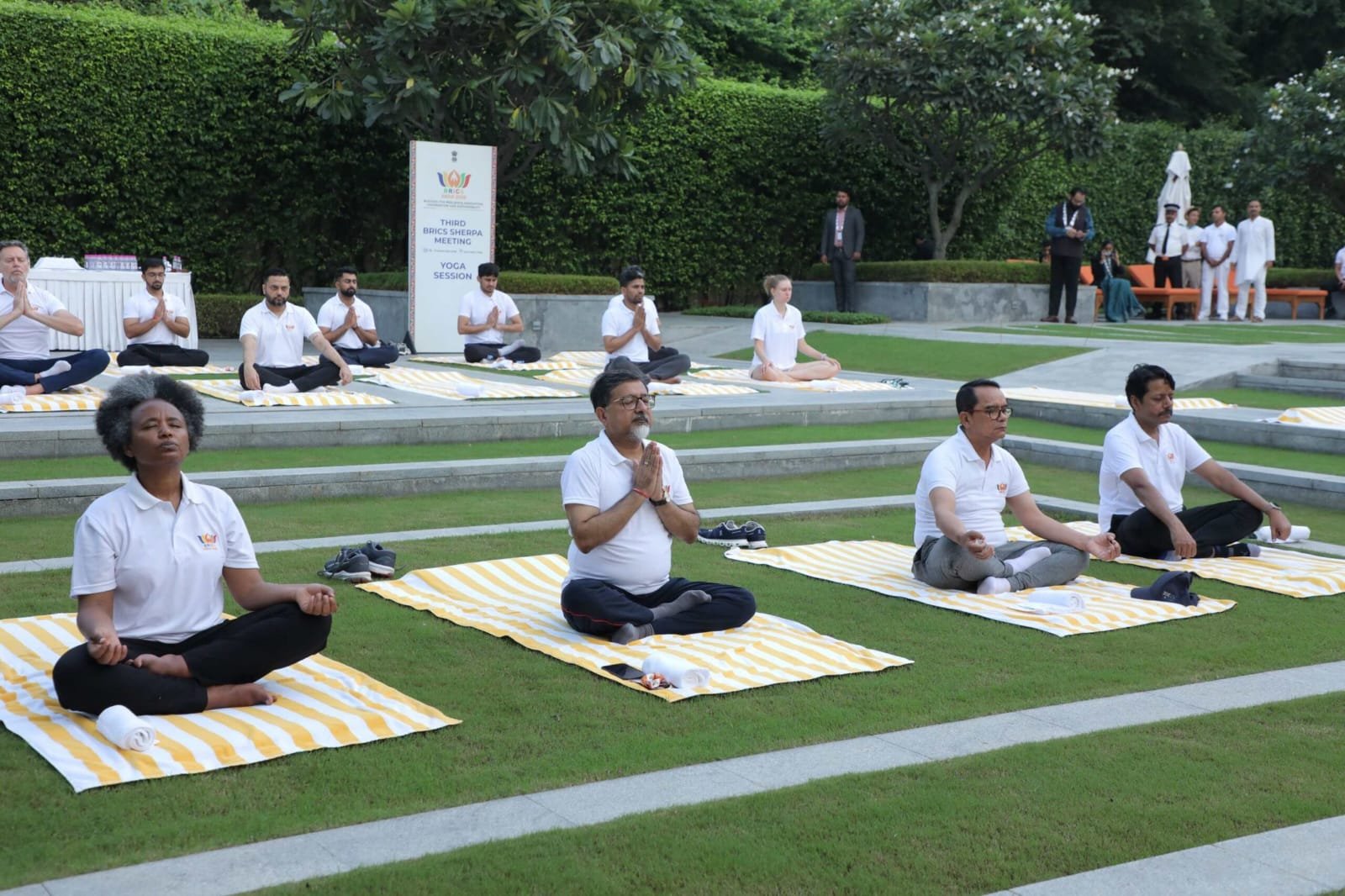
The challenge now is to translate this commitment into a permanent architecture of relationships – linking universities, cities, museums, artists, entrepreneurs, students, tourists, athletes and civil-society organisations across BRICS. The next stage should be to consolidate the many initiatives undertaken so far into sustained exchanges, institutional networks and measurable people-to-people outcomes.
Amb. (Retd.) Muktesh Pardeshi is a retired Indian diplomat with a career spanning 35 years. He has served as Secretary in the Ministry of External Affairs, Special Secretary in India’s G20 Presidency Secretariat, and Chief Passport Officer of India. During his diplomatic career, he was Ambassador of India to Mexico (with concurrent accreditation to Belize) and Türkiye, and High Commissioner of India to New Zealand.

BRICS: Building a Vibrant Community of People
The New Delhi BRICS Summit in September 2026 showcased India’s astute diplomacy in strengthening the grouping’s relevance amid profound geopolitical fragmentation. Coinciding with the landmark 20th anniversary of BRICS, the summit enabled India to go beyond the grouping’s traditional focus on reforming global governance and amplifying the voice of the Global South by placing greater emphasis on practical cooperation in trade, technology, development, culture and people-to-people exchanges. Through its emphasis on a people-centric and humanity-first approach, India reinforced its image as a bridge between developed and developing countries and as a constructive actor in the emerging multipolar order.
Overall, India’s stewardship demonstrated that BRICS could evolve beyond its origins as primarily an economic grouping into a broader platform for shaping norms, institutions, and partnerships across the Global South. The 18th BRICS Summit marked an important stage in this evolution.
This development has a historical connection with India’s earlier BRICS presidency. At the 4th BRICS Summit, held in New Delhi on 29 March 2012, the Delhi Declaration explicitly called for “expanding the channels of communication, exchanges and people-to-people contact amongst the BRICS, including in the areas of youth, education, culture, tourism and sports.” What was then a relatively modest component of the BRICS agenda has, over time, evolved into an extensive network of cultural, educational and people-to-people exchanges, adding an important societal dimension to BRICS cooperation.
BRICS today, with 11 Member States and 10 Partner Countries, has evolved into a diverse grouping, spanning multiple geographies, levels of development and cultural traditions. During its 2026 presidency, India significantly expanded the architecture and visibility of people-to-people cooperation across culture, education, youth, sports, tourism and professional exchanges. Another notable feature of India’s 2026 BRICS Chairship was geographical outreach modelled on the success of its G20 Presidency during 2022-23. More than 400 meetings and engagements were held across 30 cities in India, bringing the BRICS partnership closer to people and communities across the country.
Boosting People-to-People Relations
The original conception of BRICS was predominantly economic. Brazil, Russia, India, China and, subsequently, South Africa represented major emerging economies whose collective weight in the global economy was steadily increasing. Yet a durable international partnership cannot be sustained by trade, investment and diplomatic coordination alone. It also depends on familiarity, mutual understanding and sustained interaction among peoples.
The 2012 Delhi Summit recognised this broader dimension of BRICS. In the years that followed, people-to-people engagement expanded steadily through academic forums, youth exchanges, cultural events, film and theatre initiatives, tourism and sports exchanges, as well as growing networks among universities, think tanks and civil society organisations.
The 2026 New Delhi Summit gave this progression greater institutional depth and visibility. The New Delhi Declaration reaffirmed that people-to-people exchanges are essential to building mutual understanding, friendship and cooperation among BRICS countries. It also recognised an increasingly diverse ecosystem of institutional engagements, including the Youth Council and Youth Summit, Academic Forum, Think Tank Council, Civil Forum, Parliamentary Forum, Tourism Ministers’ Meeting, Business Council, Women’s Business Alliance and meetings of diplomatic academies.
This is significant because it broadens the foundations of BRICS beyond intergovernmental cooperation. These platforms create multiple, sustained channels through which relationships are built among people of BRICS countries.
Culture and Diplomacy
India, China, Russia, Brazil, South Africa and the newer BRICS members bring together a remarkable mosaic of histories, languages, religions, artistic traditions, knowledge systems and intellectual heritage. This diversity is not merely a cultural resource; it can also serve as a powerful foundation for international understanding and cooperation.
At the same time, there is an important shift in perspective. The notion of culture encompasses the knowledge systems, traditions, creative industries, heritage and identities that shape societies. The Bhopal Declaration, adopted at the BRICS Culture Ministers’ Meeting, reinforced this broader approach. Its priorities include the protection of cultural heritage, combating illicit trafficking, restitution and repatriation, cooperation among museums, archives and libraries, capacity-building for artists, and the preservation and promotion of traditional knowledge. The proposed pilot Artist Registry is another practical step towards strengthening professional and cultural exchanges.
India’s Chairship also placed particular emphasis on cultural and creative industries. The BRICS agenda increasingly recognises that films, music, design, handicrafts, publishing, performing arts, digital content and traditional knowledge are simultaneously cultural assets and sources of economic value. This creates opportunities to connect cultural diplomacy with employment, entrepreneurship, innovation and sustainable development.
Education & Academic Cooperation
Education is recognised as a key driver of sustainable development, inclusive growth and stronger people-to-people ties. Emphasis is placed on strengthening the BRICS Network University, promoting cooperation in technical and vocational education and training (TVET), expanding scholarships and academic mobility, facilitating mutual recognition of qualifications, and advancing STEM education, digital literacy and institutional partnerships. Greater recognition is accorded to traditional and indigenous knowledge systems. The BRICS Think Tank Council, Academic Forum, Civil Council and Civil Forum are recognised as important platforms for dialogue, knowledge-sharing and collaboration among academic communities and civil society organisations.
Youth: Investing in the Future
Recognizing young people as drivers of resilience, innovation, inclusion and sustainable development, the New Delhi Declaration places youth cooperation across a broad spectrum of areas – including education, skills development, entrepreneurship, science and technology, innovation, social and cultural participation, volunteering, environmental sustainability, sports and interfaith dialogue.
India’s emphasis on youth is particularly relevant to BRICS, whose members collectively account for a substantial share of the world’s young population. In this context, the BRICS Youth Council and the BRICS Youth Summit merit particular attention. They can serve as important platforms for translating the BRICS agenda into meaningful engagement with younger generations and for nurturing the next generation of entrepreneurs, researchers, innovators, professionals and civic leaders.
Boosting Tourism
The BRICS countries collectively offer an extraordinary tapestry of natural landscapes, cultural traditions and civilisational heritage. Yet, despite this richness, tourism flows among many BRICS countries remain below their potential. The New Delhi Declaration rightly recognises tourism not merely as an economic sector, but as a powerful instrument for cultural understanding, heritage preservation and people-to-people exchanges. It calls for greater cooperation in sustainable, responsible and community-based tourism, as well as the development of historical, cultural, nature-based, gastronomic and health-tourism products.
The diversity of the BRICS world provides a unique foundation for new tourism circuits and experiences. From India’s Buddhist heritage, Himalayan traditions and historic cities to Brazil’s Amazonian landscapes, Russia’s rich cultural heritage, China’s historic urban centres and South Africa’s distinctive blend of wildlife, nature and culture, the possibilities for connecting BRICS societies through tourism are immense. Realising this potential will require reducing practical barriers to travel. Simpler and more predictable visa procedures, improved air connectivity, interoperable digital information platforms and coordinated tourism promotion could significantly increase intra-BRICS travel.
Sports as a Universal Language
Sport represents another under-utilised instrument of BRICS cooperation. The New Delhi Declaration recognises sport as a vehicle for social development and people-to-people exchange and welcomes cooperation through the BRICS Games. Importantly, it also highlights traditional, indigenous and non-Olympic sports, opening a distinctive avenue for cultural diplomacy.
Rather than focusing exclusively on globally dominant sports, BRICS could use sport to celebrate the diversity of its societies and showcase their distinctive sporting traditions-from India’s kabaddi and yoga, Brazil’s football culture, Russia’s combat sports, China’s martial arts and South Africa’s rugby heritage. Exchanges, joint training programmes, youth competitions and festivals centred on traditional sports could give BRICS sports cooperation a strong cultural dimension.
Forging a BRICS Community
One of the most important developments reflected in the New Delhi Declaration is the recognition that BRICS cannot become a durable partnership without stronger bonds among its peoples. The journey from the 2012 Delhi Declaration’s call for greater people-to-people contact to the 2026 New Delhi Declaration’s explicit recognition of cultural and people-to-people cooperation as a principal pillar demonstrates an important evolution in the BRICS agenda.
The challenge now is to translate this commitment into a permanent architecture of relationships – linking universities, cities, museums, artists, entrepreneurs, students, tourists, athletes and civil-society organisations across BRICS. The next stage should be to consolidate the many initiatives undertaken so far into sustained exchanges, institutional networks and measurable people-to-people outcomes.
Amb. (Retd.) Muktesh Pardeshi is a retired Indian diplomat with a career spanning 35 years. He has served as Secretary in the Ministry of External Affairs, Special Secretary in India’s G20 Presidency Secretariat, and Chief Passport Officer of India. During his diplomatic career, he was Ambassador of India to Mexico (with concurrent accreditation to Belize) and Türkiye, and High Commissioner of India to New Zealand.
Muktesh Pardeshi
Related Posts
From Voice to Impact: BRICS and Push for Global Governance Reform
Enhancing Indo-Pacific Diplomacy for India’s Rise
Diplomatic win for India: BRICS bridges Gulf divide, bats for Global South
Illuminating India’s BRICS moment
With Trump listening in, Iran urges PM Modi to end war with US
India Russia ‘dosti’ in Bishkek: Focus on end of Ukraine war, balanced trade
Latest Events
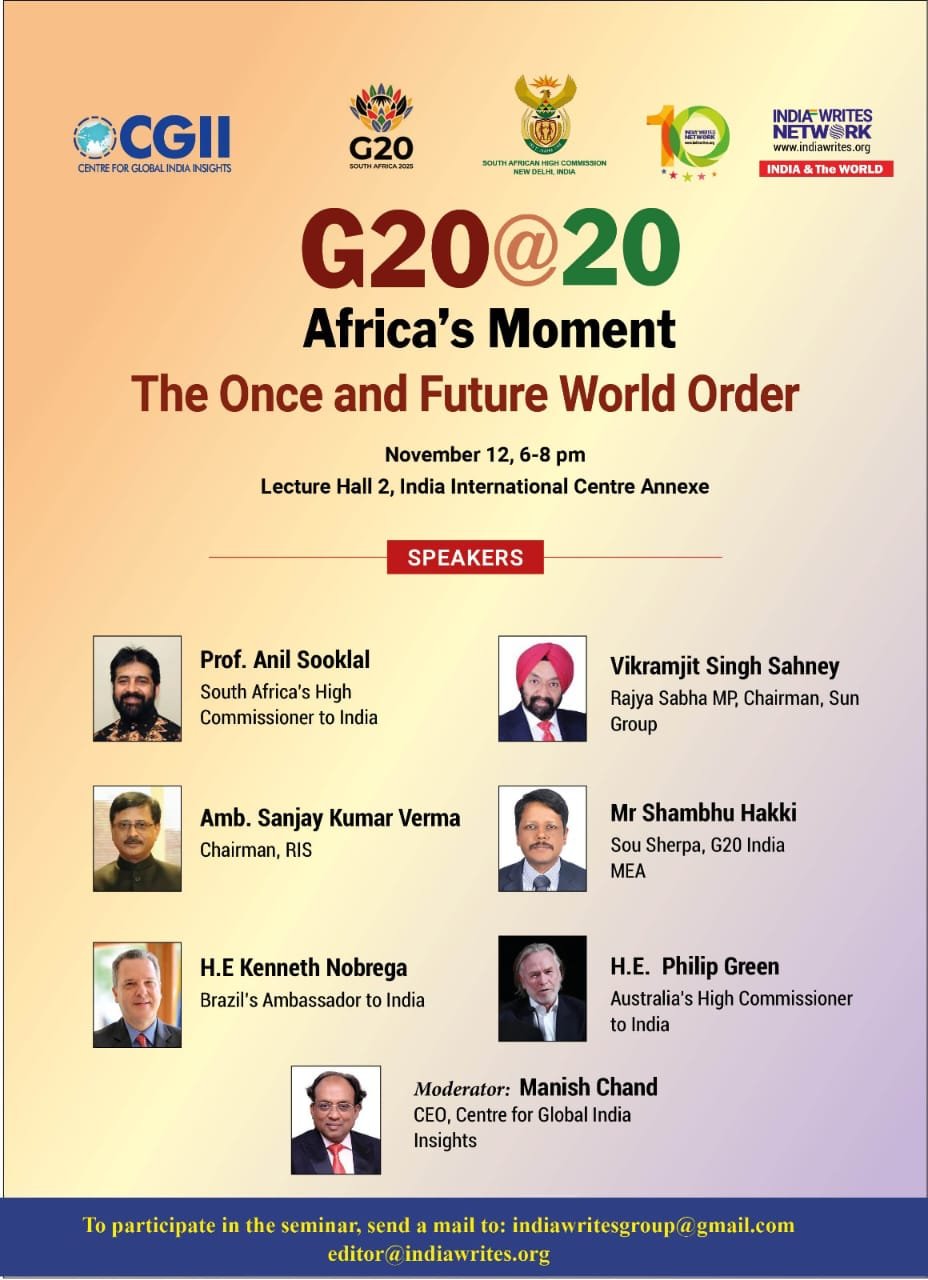
G20@20: Africa’s Moment – The Once and Future World Order
Speakers
Professor Anil Sooklal
Kenneth da Nobrega
Manish Chand
Ambassador Philip Green
Sanjay Kumar Verma
Shambhu Hakki
Vikramjit Singh Sahney
MPs, diplomats laud Operation Sindoor, call for national unity to combat Pakistan-sponsored terror
Speakers
Aparajita Sarangi
Brij Lal
Dr Amar Patnaik
Manish Chand
Priyanka Chaturvedi
Sujan Chinoy
Yashvardhan Kumar Sinha
BRICS summit in Rio to focus on Global South, local currency trade
Speakers
Dammu Ravi
Denis Alipov
Ina Hagniningtyas Krisnamurthi
Jyoti Vij
Kamel Zayed Kamel Galal
Kenneth da Nobrega
Manish Chand
Book
India’s G20 Legacy: Shaping a New World Order
Editor: Manish Chand
Pages: 206
Publisher: Pentagon Press LLP
Cover Price: INR 995
In Conversation
Sanctions create new opportunities, invest in Tatarstan: Taliya Minullina
In The Press
Can BRICS help reshape global order by strengthening emerging economies?
Rescuing G20 from North-South divide: Ubuntu Moment
The Sunday Guardian: India calls for strengthened BRICS cooperation
Daily Excelsior: Ahead BRICS summit in Rio, envoys call for greater focus on combating terrorism
Latest From CGII
From Voice to Impact: BRICS and Push for Global Governance Reform
India-US trade deal soon, says Rubio
Enhancing Indo-Pacific Diplomacy for India’s Rise
Diplomatic win for India: BRICS bridges Gulf divide, bats for Global South
Illuminating India’s BRICS moment
With Trump listening in, Iran urges PM Modi to end war with US
The Journal
Special Edition on India’s Indo-Pacific plus Diplomacy
India’s G20 Journey – Scaling A New Summit