





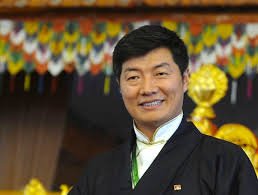
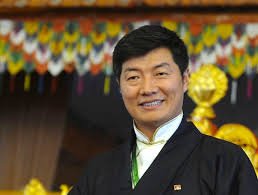
 Tibetans in exile around the world voted in favour of Lobsang Sangay, the incumbent leader for the post of ‘Sikyong’ or Prime Minister of the Tibetan government-in-exile based in Dharamsala. Mr Sangay defeated his rival, Penpa Tsering, receiving about 57 percent of the total 58,740 votes cast across the globe last month. Mr Sangay received majority vote in all the European countries and North America. Mr Tsering captured the majority in the exile Tibetan capital Dharamsala. Harvard-educated lawyer Sangay was first elected as PM in 2011 when the Dalai Lama gave up his political powers to a directly-elected leader. “I hope to do much better. Both on political terms, by holding dialogue with the Chinese, and working on welfare issues in the next five years,” Mr Sangay said. He said that the success of the polls showed the “consolidation of democracy” among Tibetan exiles and urged the world to recognise the legitimacy of the government-in-exile. “It’s a clear statement that even exiled Tibetans are practising democracy, as China is not,” he added. Mr Sangay also vowed to continue the “freedom struggle” of the Tibetan people. The first phase of the elections was contested among five candidates in October last year. The final phase was contested between Mr. Sangay and Mr. Tsering, who was the Speaker in the outgoing Assembly. The other three candidates were rejected by the voters in the first phase, according to Central Tibetan Administration (CTA) officials. This was the second election after the Dalai Lama stepped down as the head of the government in 2011, preferring to remain only as the religious-spiritual head. “Although there are approximately 150,000 Tibetans in exile, a total of 90,377 Tibetans registered for the final election. However, only 59,353 people actually turned up to vote in the final Sikyong (or prime minister) elections,” chief election commissioner Sonam Choephel Shosur said in a statement. Tibetans accuse Chinese authorities of corroding their Buddhist culture by clamping down on religious practice and flooding the region with ethnic Han Chinese. China does not recognises the CTA and declines to hold talks to it.