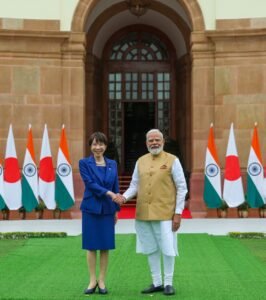








 Capping years of tortuous negotiations, India and Japan look set to sign a transformational civil nuclear deal during Prime Minister Narendra Modi’s November 10-12 visit to Tokyo.
The negotiations for the civil nuclear deal were completed during Japanese Prime Minister Shinzo Abe’s visit to New Delhi in December last year. The text for the civil nuclear deal has also been finalised, with all contentious issues sorted out. Since then, nuclear negotiators of both sides have completed a technical and legal scrub of the text of the nuclear agreement.
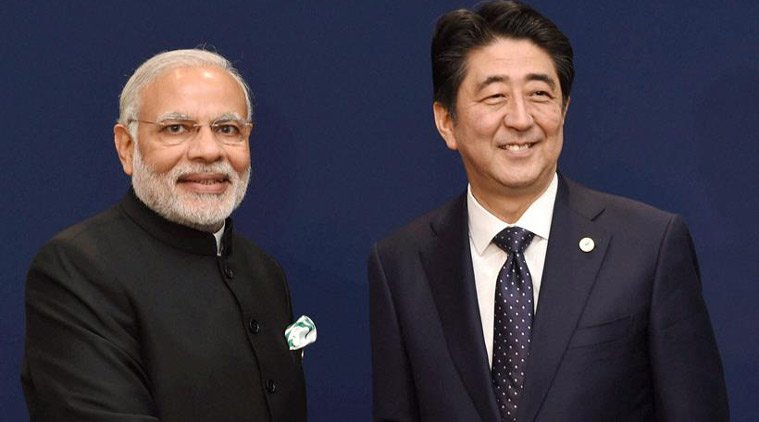
The agreement is expected to be signed after talks between Mr Modi and his Japanese counterpart Abe in Tokyo on November 11.
“The negotiations on the bilateral Nuclear Cooperation Agreement were completed at the last Summit in Delhi in December. Since then the two sides have completed internal procedures including a legal and technical scrub of the agreed text,” Vikas Swarup, the spokesperson of India’s external affairs ministry, said ahead of the Modi-Abe meeting.
However, there is still some lingering uncertainty in view of Japan’s powerful non-proliferation lobby, which could force at least a postponement of signing of the pact in the near term. Japan’s hawkish stance on nuclear issues emanate from its historical experience of being the only nation to be attacked by atomic weapons.
 Japan was insisting on the inclusion of a no-testing clause in the agreement, which was not acceptable to India. Sources disclosed that the two sides have found a way around it, with Tokyo agreeing to factor into account New Delhi’s assurance on voluntary moratorium on testing, without including a no-testing clause in the text of the agreement.
The signing of the nuclear deal will pave the way for acceleration of India-Japan relations in all areas as it’s the only issue that is restricting the full potential of the strategic partnership between Asia’s leading democracies, which are moving closer in the backdrop of perceived Chinese assertiveness in the region.
The India-Japan nuclear deal will fast-track implementation of the India-US nuclear deal as leading Japanese nuclear companies like Toshiba and Mitsubishi have stakes in Westinghouse Electric Corporation and GE Energy Inc, which are looking to set up atomic plants in India.