










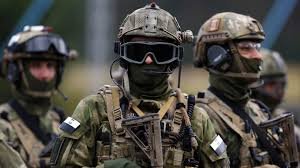
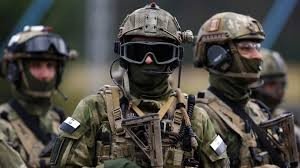
 The North Atlantic Treaty Organisation (NATO) is planning to deploy 4,000 rotational ground troops in Poland and other Baltic countries in the wake of Russia’s increasing military activity along the border. “The allies are considering a rotational force of four battalions, which would mean about 4,000 troops. That would be in addition to a recently announced unilateral US decision to send a US armoured brigade of about 4,200 troops to Eastern Europe next February,” US Defence Secretary Ashton Carter said. The Baltic states – Estonia, Latvia and Lithuania – which joined the NATO in 2004, have requested greater presence of the alliance, fearing a threat from Russia after it annexed the Crimea peninsula from Ukraine in 2014. Mr Carter said that the idea of a separate NATO rotational ground force is likely to be discussed at a NATO meeting in June. Russia has blamed the US and NTO for returning to a cold war mindset of mutual suspicion and military competition, even as it continues to buzz US ships and planes in the Baltics. “NATO military infrastructure is inching closer and closer to Russia’s borders. But when Russia takes action to ensure its security, we are told that Russia is engaging in dangerous maneuvers near NATO borders. In fact, NATO borders are getting closer to Russia, not the opposite,” Russian Foreign Minister Sergey Lavrov told a Swedish daily. Mr Carter said that Moscow has chosen to move away from integration with the West. “Therefore, we have no alternative but to do what we’re doing, which is stand strong,” by improving the US military posture in Europe and collaborating closely with NATO,” he added. The first meeting between NATO and Russia held on April 20 in almost two years ended in representatives trading accusations, creating more tension than existed before. “NATO and Russia have profound and persistent disagreements. Today’s meeting did not change that,” said NATO General Secretary Jens Stoltenberg after the meeting in Brussels. “NATO allies confirmed that there can be no return to practical cooperation until Russia returns to respect of international law. But we will keep channels of communication open.” In 2002, the NATO had constituted the NRC or NATO-Russia Council with an aim to devise a “mechanism consultation, consensus-building, cooperation, joint decision and joint action” between Russia and NATO member states. However, the dialogue between these nations hit a roadblock when the Russian military decided to intervene in Ukraine.