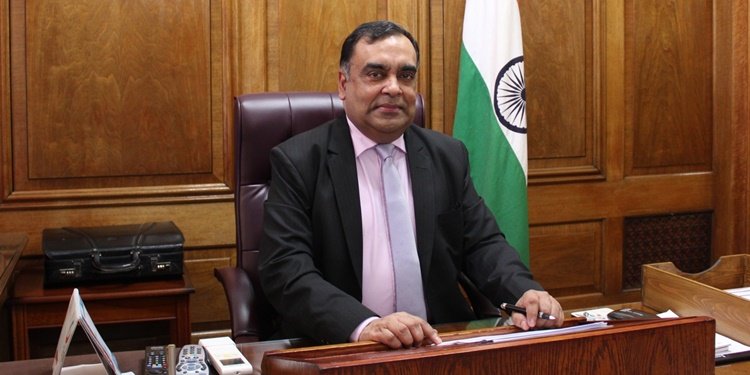







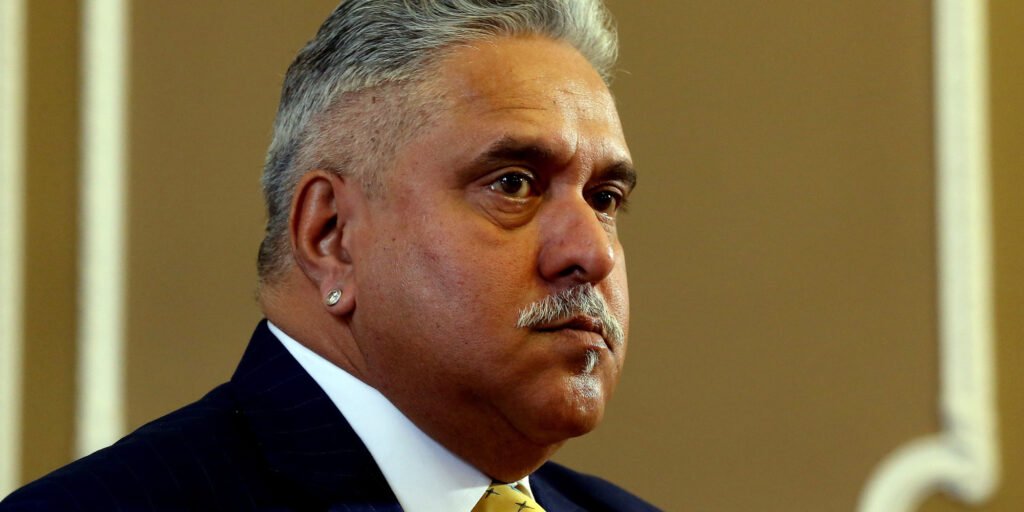
 In a setback to India, the United Kingdom has said that it cannot deport Vijay Mallya to India as he does not own a valid Indian passport. “The UK government has informed us that under the 1971 Immigration Act, the UK does not require an individual to hold a valid passport in order to remain in the UK if they have extant leave to remain as long as their passport was valid when leave to remain or enter the UK was conferred. At the same time, the UK acknowledges the seriousness of the allegations and is keen to assist the government of India. They have asked the Indian government to consider requesting mutual legal assistance or extradition”, External Affairs Ministry Spokesperson Vikas Swarup said. Deportation is an executive action. It is considered to be a quicker process than extradition, where investigating agencies have sufficient evidence to prove the involvement of the person. The accused also has legal options for defending himself under the extradition treaty. Mr Mallya’s extradition from the UK will be possible only when he is accused, or convicted, of an act recognised as a criminal offence in both countries. The extradition treaty empowers the UK authorities to make provisional arrests in urgent cases. The Mutual Legal Assistance Treaty (MLAT), which was signed in 1992, extends assistance in the investigation and prosecution of crime and the tracing, restraint and confiscation of proceeds and instruments of crime and terrorists. The Enforcement Directorate (ED) has approached the Interpol seeking issuance of a red notice against Mr Mallya. The ED had earlier requested the Indian government to initiate deportation proceedings against him after his passport was suspended on the basis of a non-bailable warrant issued against him by a Mum