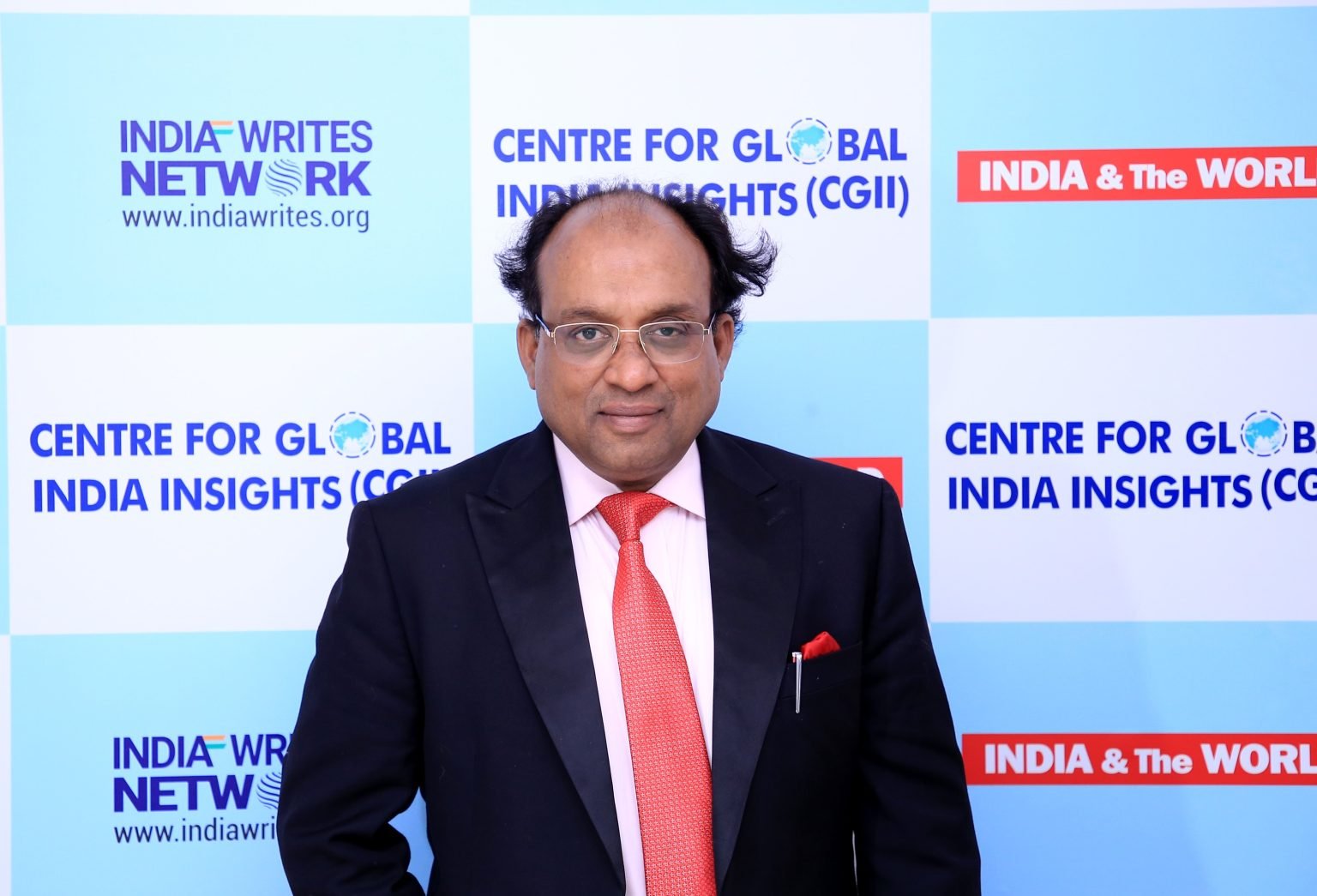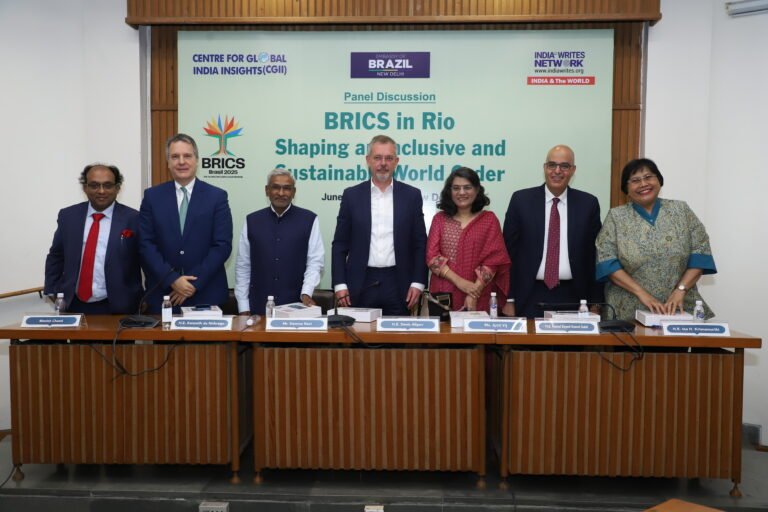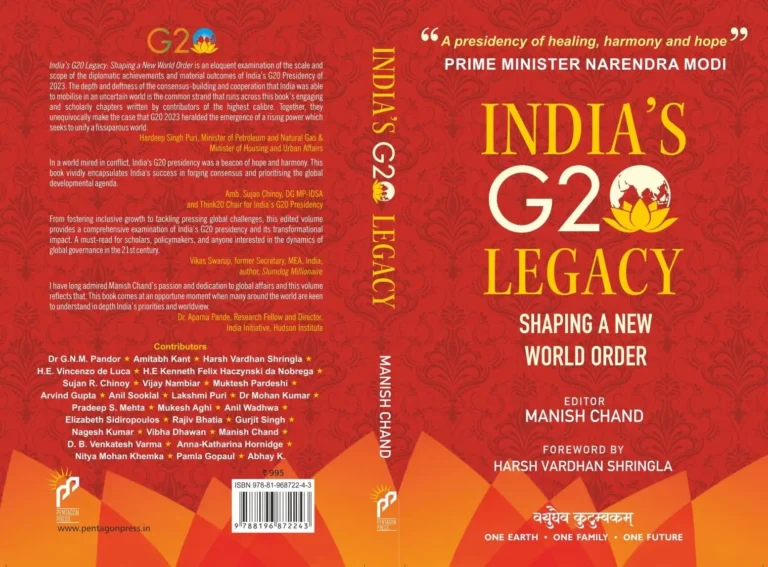
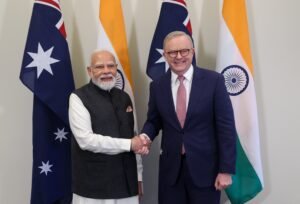


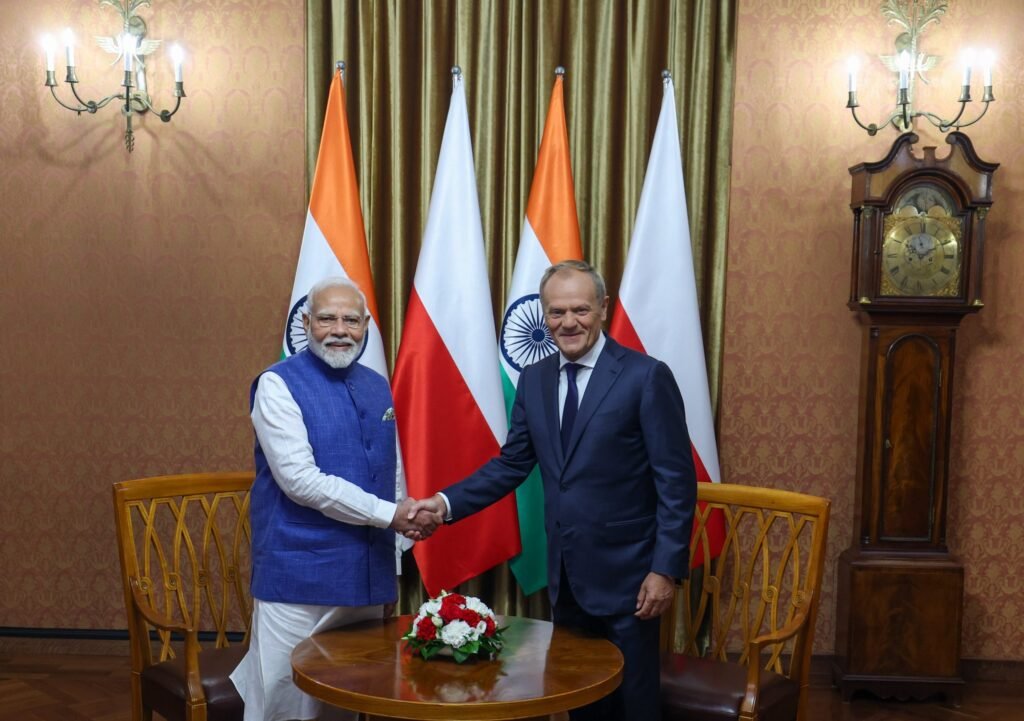
Ushering in a new chapter in their multifarious ties, India and Poland, the powerhouse of Central Europe, elevated their relations to the level of strategic partnership and launched a five-year action plan to enhance cooperation in areas ranging from trade and investment to defence and renewable energy. Poland rolled out the red carpet for India’s Prime Minister Narendra Modi during the two-day visit on August 21-222, the first visit by an Indian prime minister to the Central European country in 45 years. Poland’s Prime Minister Donald Tusk personally received Modi, setting a warm and friendly tone for the discussions that followed. As both leaders sat down to deliberate, it became clear that this visit was not just about symbolic gestures but about forging concrete pathways for future cooperation. The visit, which coincided with the 70th anniversary of diplomatic relations between the two countries, set the stage for a new chapter in their partnership, culminating in the elevation of bilateral ties to a “Strategic Partnership.” “The visit to Poland and Ukraine is part of India’s strategy to deepen ties with Central and Eastern Europe, an emerging region which is also courted by China,” said Manish Chand, CEO, Centre for Global India Insights. “Poland is Europe’s eight largest economy and is a bridge between eastern and Western Europe. PM Modi’s visit has set the stage for scaling up India’s relations with Poland and Central Europe,” said Chand. Five-Year Action Plan
The centrepiece of Modi’s visit was the establishment of a five-year Action Plan (2024-2028) aimed at guiding bilateral collaboration across various sectors. This plan, agreed upon by both Mr Modi and Mr Tusk, will focus on enhancing political dialogue, security cooperation, trade, investment, and cultural exchanges. The leaders emphasized the need for regular high-level contacts, including annual political dialogues, to maintain momentum and ensure that the strategic partnership yields tangible benefits.
Security and defense cooperation were highlighted as key areas of collaboration. Both countries agreed to fully utilize existing bilateral mechanisms, such as the Joint Working Group for Defence Cooperation, to modernize military equipment and strengthen ties between their defense industries. This cooperation is crucial as Poland continues to upgrade its military capabilities in response to regional security threats, particularly from Russia. Trade and investment were also at the forefront of discussions. The leaders of India and Japan agreed to intensify economic relations, and focused on expanding cooperation in sectors like technology, food processing, agriculture, artificial intelligence, and renewable energy. The leaders recognized the critical role of digitalization in economic and social development and committed to enhancing cybersecurity cooperation to build trust and stability between the two nations. The leaders expressed their deep concern over the ongoing Russia-Ukraine conflict, discussing its broader implications, particularly on global food and energy security. While Poland has been a staunch supporter of Ukraine, India has maintained a neutral stance, emphasizing the need for dialogue and diplomacy. Despite these differences, both leaders agreed on the importance of upholding international law and reiterated their commitment to a rules-based international order. (Ananya Singh contributed inputs for this article)