


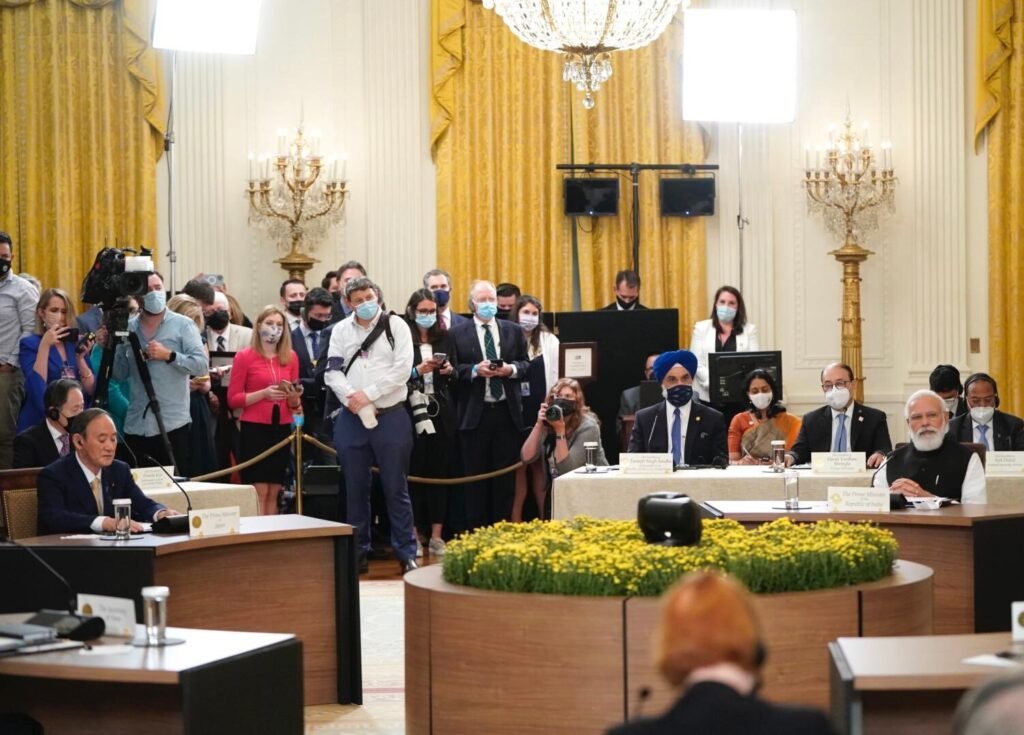
With the overarching objective of safeguarding the rules-based Indo-Pacific region against aggression, the leaders of the four Quad countries including the US, India, Japan and Australia will hold their fourth summit in Tokyo on May 24. Prime Minister Narendra Modi will hold talks in the quadrilateral format with Japanese PM Fumio Kishida, US President Joe Biden and the new leader of Australia who will win the closely contested elections. “The forthcoming Quad Summit provides an opportunity for the Leaders to exchange views about developments in the Indo-Pacific region and contemporary global issues of mutual interest,” said India’s Ministry of External Affairs in a statement. “The Leaders will review progress of Quad initiatives and Working Groups, identify new areas of cooperation and provide strategic guidance and vision for future collaboration,” said the ministry. Ahead of PM Modi’s visit to Tokyo, India’s Foreign Secretary Vinay Mohan Kwatra told reporters that the summit will focus on shaping a rules-based international order and review the progress made in implementing various initiatives announced at the first in-person Quad summit in Washington.
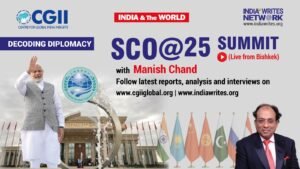
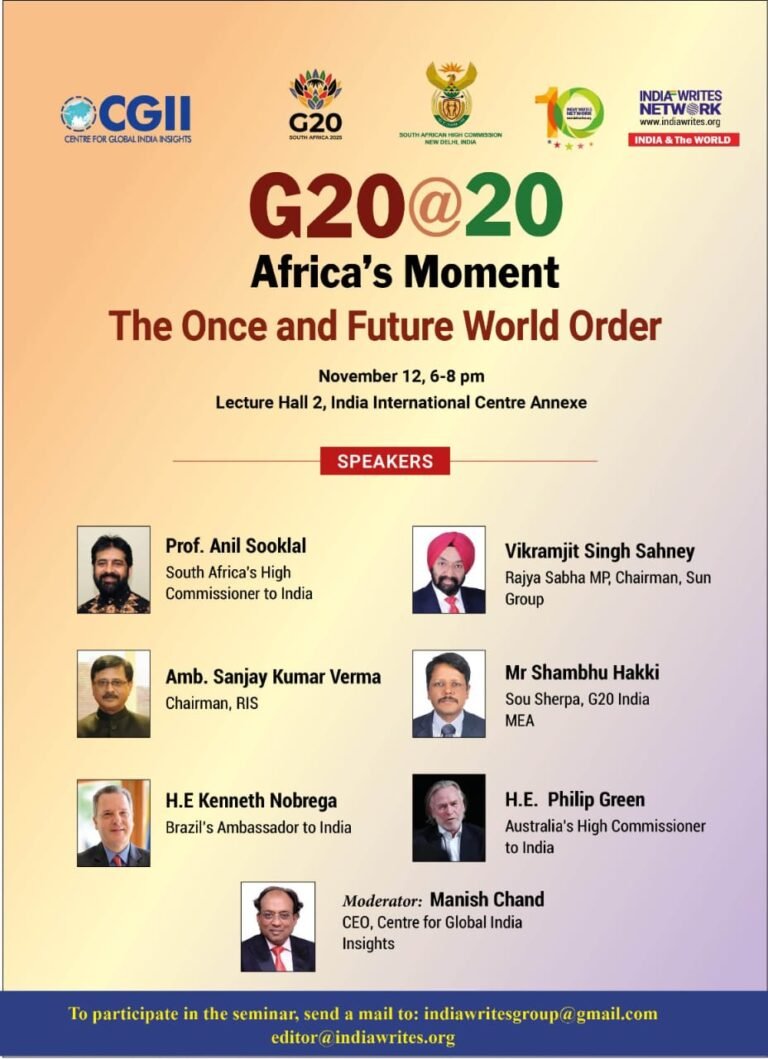
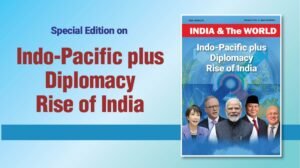
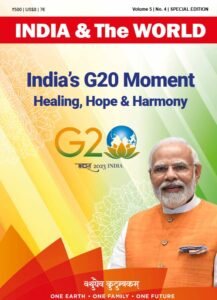
“On the geopolitical front, the Ukraine crisis will be a contentious issue, especially in view of India’s assertion of its strategic autonomy vis-à-vis its special relations with Russia. Despite such differences, the Quad solidarity will remain largely intact,” writes Manish Chand, a well-known foreign policy analyst and Editor-in-Chief, India Writes Network, in a special edition of India and The World magazine focused on the Quad summit in Tokyo.
“The major takeaway of the Quad Summit in Tokyo will be the formal launch of the Indo-Pacific Economic Framework (IPEF) by US President Joe Biden, with the other Quad countries, including India, likely to support this landmark initiative that promises to spur regional economic integration and open new pathways of shared prosperity,” he said. Forging connectivity projects in the region will be a focus area at the Tokyo summit.
“The Quad must embark of some pilot projects in connectivity and infrastructure building beside the vaccine roll out in the region, in order to be seen as a development partner and an alternate source of financing projects,” said Anil Wadhwa, a former Indian ambassador to Thailand and Italy.