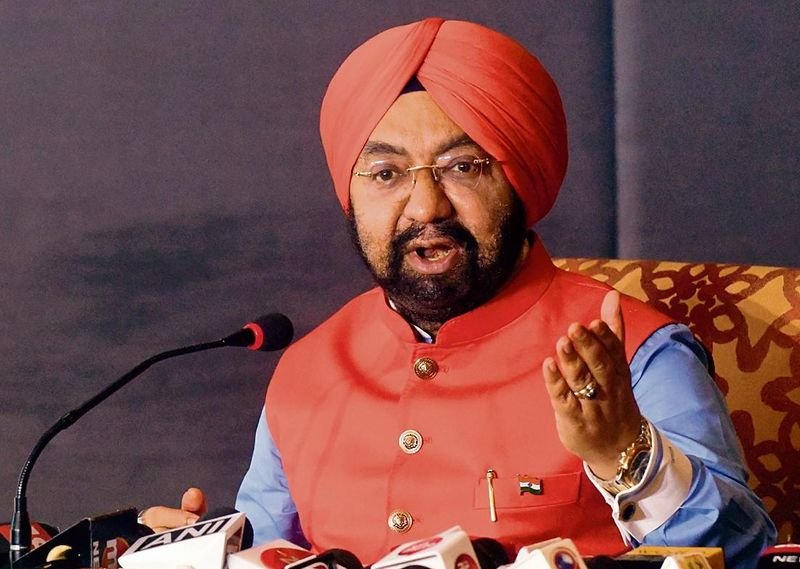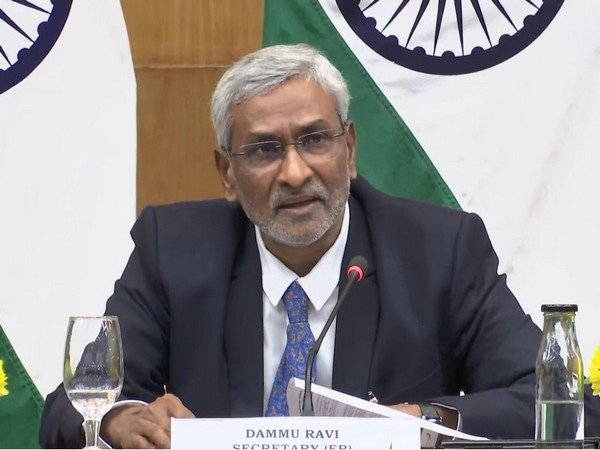







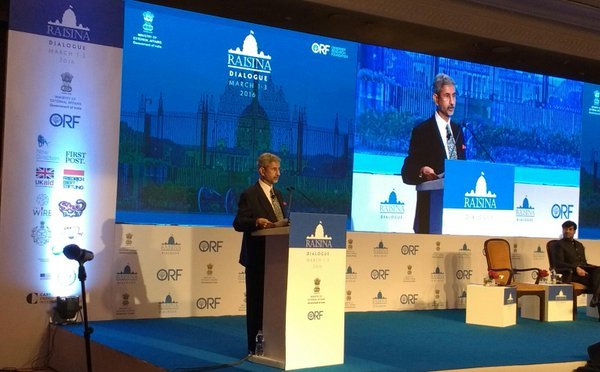
Taking a firm stand, India once again reiterated that action against terror groups by Pakistan is a bigger priority than resuming bilateral dialogue between the two countries. “In the aftermath of a terror attack, if you ask me what do you give priority to, a terrorist attack or a diplomatic dialogue, I think the answer should be obvious,” Foreign Secretary S Jaishankar said while speaking at the Raisina Dialogoue event, organised by Observer Research Foundation in association with the External Affairs ministry in New Delhi. He also said that both India and Pakistan were in touch with each other following the Pathankot terror attack at National Security Advisers level. “It takes two hands to clap and that India would like to have same kind of ties with Islamabad like with other neighbours. We need to remove obstacles which are coming in between India and Pakistan. Most people in this country want to treat Pakistan as a normal neighbor,” Jaishankar said. India blamed Jaish-e-Mohammed’s chief Masood Azhar for the Pathankot terror attack and has given ample evidences to Pakistan for action against the perpetrators. Besides, while speaking at the dialogue Jaishankar pointed out geo-political and geo-strategic importance of regional connectivity. “Connectivity should diffuse national rivalries, not add to regional tensions. This is an issue that actually resonates beyond Asia because the rest of the world appreciates that the economic centre of gravity is shifting towards the continent,” he said. Nurturing connectivity also requires a willingness to create arrangements which lead to higher levels of trust and confidence. A connected Asia must be governed by commonly agreed international norms, rules and practices. “We need the discipline and restraint that ensure standards of behaviour, especially by and between States that jostle to widen their respective spaces in an increasingly inter-connected continent,” he added. Connectivity will play a very crucial role in shaping the destinies of Asian nations and peoples in the next decade. Connectivity itself has emerged as a theatre of present day geopolitics. According to the foreign secretary connecting Asia successfully requires the judiciousness and wisdom to reconcile these differing points of view and agree on something that all stakeholders can live with.