














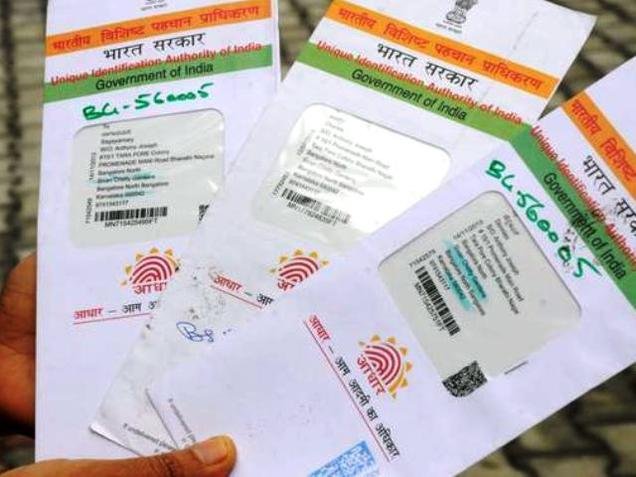
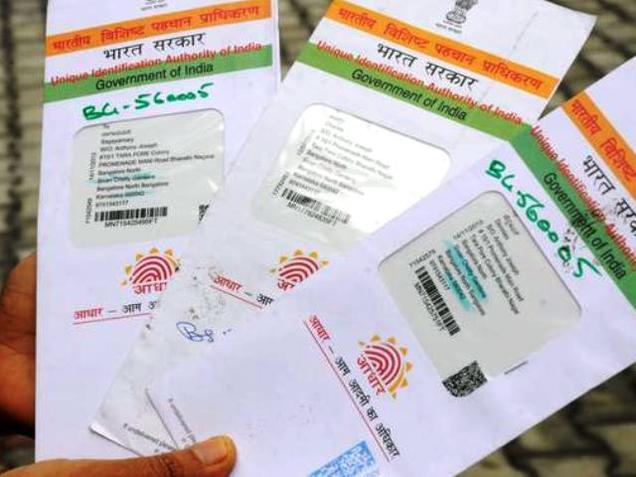
 India’s Prime Minister Narendra Modi’s financial inclusion efforts has received a fresh impetus, with the successful passage of the the Aadhaar Bill in the Lok Sabha (lower House), discarding the amendments proposed by the Rajya Sabha (upper House). The Aadhaar Bill intends to facilitate targeted delivery of subsidies and services to individuals residing in India by assigning them unique identity numbers, also called Aadhaar numbers. The subsidy reforms, started by the UPA government, received an aggressive push by the present NDA government. The entire process is constructed on the Direct Benefit Transfer (DBT) network based on the unique identity number or Aadhaar – available for 1.25 billion citizens. The government is vigorously pursuing its financial inclusion programmes under the JAM (Jan Dhan, Aadhaar and Mobile) trinity. Corruption involved in the present subsidy process was a matter of grave concern for the government and exchequer since a long time. Now, linking a bank account to a social unique identity number will definitely help to prevent the spillage. Around 999. 21 million unique identity number have already been issued to about 97% of India’s youth population. Addressing concerns that whether Aadhaar is mandatory for citizen to avail subsidies and other government’s benefit, India’s ruling coalition NDA has clarified that the unique number will not be compulsory. However, banks are likely to insist on Aadhaar number, if any one approaches to open a Jan Dhan account, to prevent duplication. Privacy risks The opposition political parties had expressed reservation over the privacy risks involved with the bio-metric data shared with the government. According to the modification made by the NDA government to the UPA’s bill, the government can access private information only when there is case of ‘national security’. Nandan Nilekani, former chairman of the Unique Identification Authority of India (UIDAI), has also said that the new Aadhaar Bill is ‘the strongest that has ever come’ in terms of privacy safeguards. But he also said that there is a need for a ‘larger privacy bill’ to address other concerns. The bill will not be instrumental for any foreign citizen to get Indian citizenship, which was a concern raised by opposition political parties. A legally-backed Aadhaar scheme is of critical importance as this will be used for managing various government initiatives and financial innovation. The future and success of the government ambitious scheme the Jan Dhan Yojana, under which around 211 million bank account has already been opened and around $5 billion deposits have already been mobilised, is intimately linked to the Aadhar legislation.