






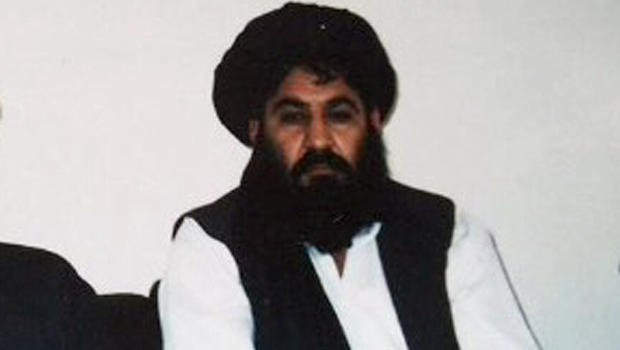
After the killing of Afghan Taliban leader Mullah Akhtar Mansour, the extremist group has been struggling to find a successor to the slain chief. Mullah Yakoub, the Taliban founder’s son, and Sirajuddin Haqqani, a major rival of the US forces, were the two frontrunners inititally for the job. Things changed after Mansour was killed on May 21 in a rare American drone strike deep inside Pakistan. This latest development is expected to make it harder for the Taliban’s Supreme Council, which has been holding emergency meetings since May 22 to find a unifying figure for the leadership post. However, the Taliban is yet to officially confirm the death of Mansour. The death of Mansour has thrown the deeply factionalised Taliban into further disarray nine months after he was elevated to the Taliban leadership. Mansour’s took over the leadership following a bitter power struggle after the death of Mullah Omar, the founding leader of the group. “The main challenge is to save the Taliban movement from being further divided,” an unnamed Taliban official said. He added that the Supreme Council members were constantly changing the venue of their meetings to avoid potential air strikes. “It will take time to reach a consensus for the leadership position.” Some of the candidates in the fray include Mullah Abdul Ghani Baradar, who was the movement’s former deputy. He is said to be closely affiliated to the Pakistani military establishment. Bardar was jailed by Pakistan in 2010. However, he was released in September 2013 as part of efforts to boost Afghanistan’s peace process. Another leading contender Mullah Adbul Qayyum Zakir is considered to be one of the most violent and committed commanders of the Taliban. The move to search for a new leader could lead to a new succession battle within the Taliban, which split formally in 2015. Many of the leading commanders had refused to pledge allegiance to Mansour. They had claimed that the process to select him was biased and had even accused him of keeping founder Mullah Omar’s death secret for two years.