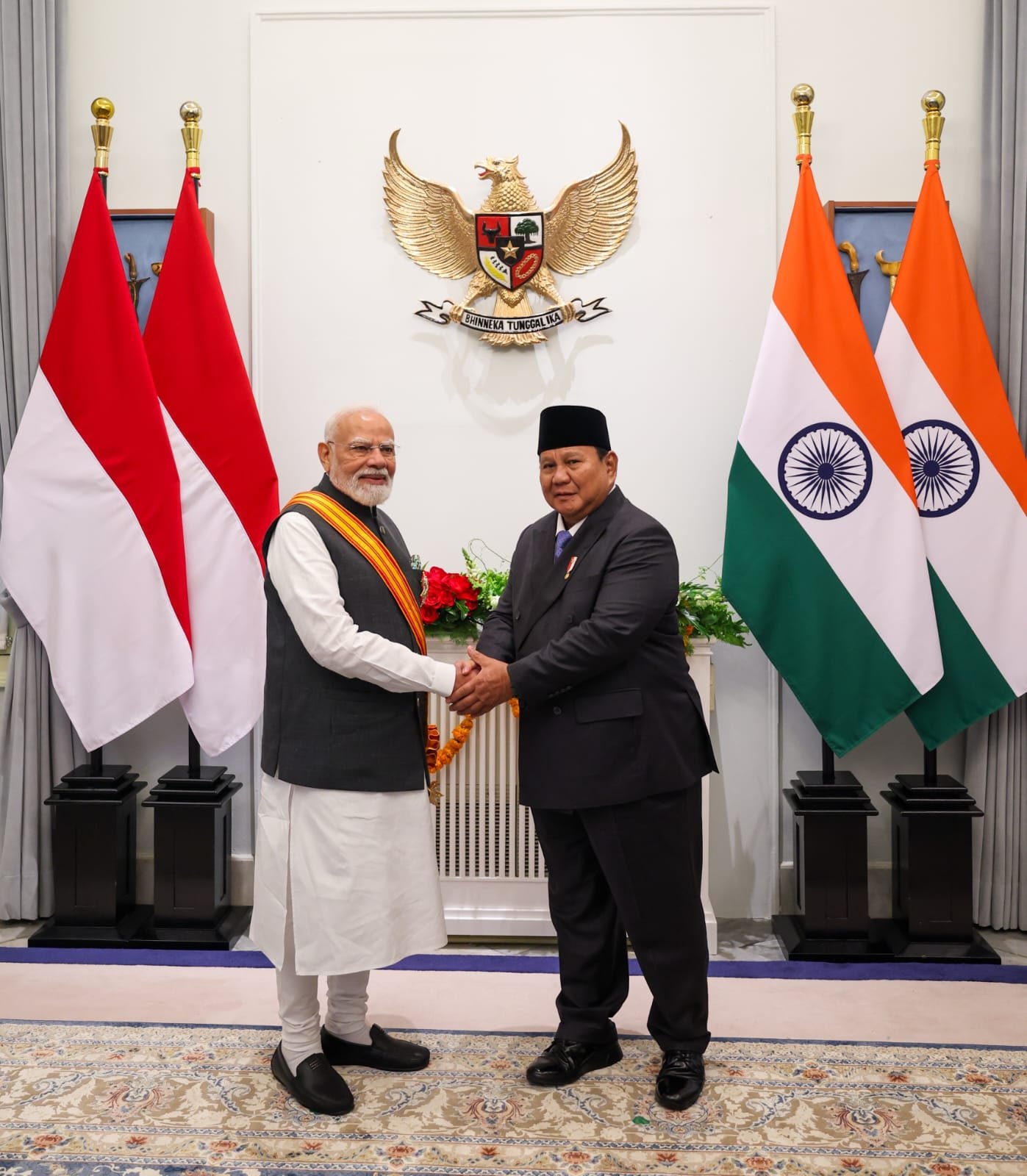
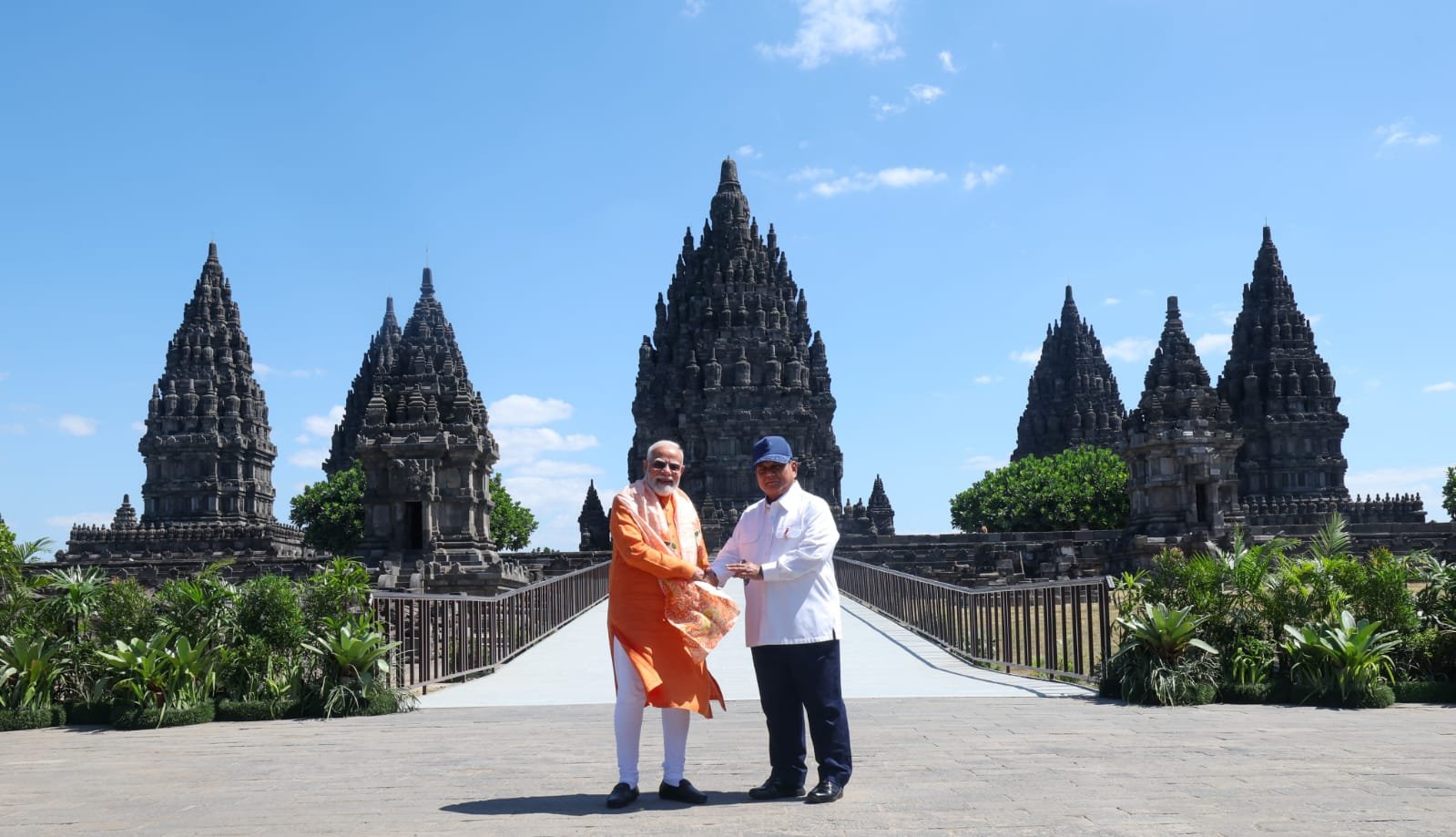
Prime Minister Narendra Modi’s visit to Indonesia in July 2026 was an outstanding diplomatic success. The palpable warmth with which President Prabowo Subianto, his government and the people of Indonesia welcomed Prime Minister Modi reflected the growing political comfort between the two large Asian democracies. More importantly, the visit marked a significant evolution in the India Indonesia Comprehensive Strategic Partnership. While civilisational ties, democratic values, maritime cooperation and trade continue to underpin bilateral relations, the visit demonstrated that economic security, critical minerals and resilient supply chains have now emerged as equally important pillars of the relationship.
The strategic environment in the Indo-Pacific has changed dramatically over the past few years. The pandemic exposed the vulnerability of global supply chains. The conflict in Ukraine, the crisis in Gaza and, more recently, tensions involving Iran have further disrupted energy markets and international trade. Simultaneously, strategic competition between the United States and China has intensified the search for trusted suppliers of critical minerals, advanced manufacturing capabilities and resilient industrial ecosystems. Consequently, economic policy has increasingly become strategic policy. India’s diplomacy is therefore moving beyond market access and trade towards securing the resources, technologies and partnerships that will underpin its long-term economic and national security. Indonesia has emerged as one of India’s most important partners in this endeavour.
Geography has always favoured close India Indonesia cooperation. Together, the two countries anchor the eastern Indian Ocean and overlook the approaches to the Malacca Strait, through which a substantial proportion of global trade and energy supplies pass. Maritime security, coordinated naval patrols, coast guard cooperation and support for a free, open and inclusive Indo Pacific have naturally formed the backbone of bilateral engagement.
When Prime Minister Modi visited Indonesia in 2018 and the relationship was elevated to a Comprehensive Strategic Partnership, considerable emphasis was placed on maritime cooperation. Alongside coordinated patrols, naval exercises and maritime connectivity, the development of Sabang Port in Aceh Province, close to India’s Andaman and Nicobar Islands, was projected as a flagship initiative. Although Sabang generated considerable strategic interest, progress has remained slow over the past eight years.
Focus on Critical Minerals
The 2026 visit reflects a notable shift in emphasis. Maritime cooperation remains important, but the partnership is now increasingly driven by economic security, industrial collaboration, defence production and critical mineral diplomacy. Secure supply chains have become as strategically significant as secure sea lanes.
Among the most consequential outcomes of the visit was the elevation of critical minerals to the centre of bilateral cooperation. Indonesia possesses almost 60 percent of the world’s known nickel reserves and has become a major producer of nickel derivatives essential for electric vehicle batteries, renewable energy technologies, stainless steel and advanced manufacturing. Recognising the need to capture greater value from its natural resources, Indonesia prohibited exports of raw nickel ore in 2020 and encouraged investment in domestic refining, processing and downstream industries. This policy has significantly accelerated Indonesia’s industrialisation.
Chinese companies have understandably been among the largest investors in Indonesia’s downstream nickel industry, particularly in Sulawesi. While these investments have contributed substantially to Indonesia’s economic growth, Jakarta also recognises the risks associated with excessive dependence on any single external partner. Diversifying investment sources and strengthening technological partnerships have therefore become important policy objectives.
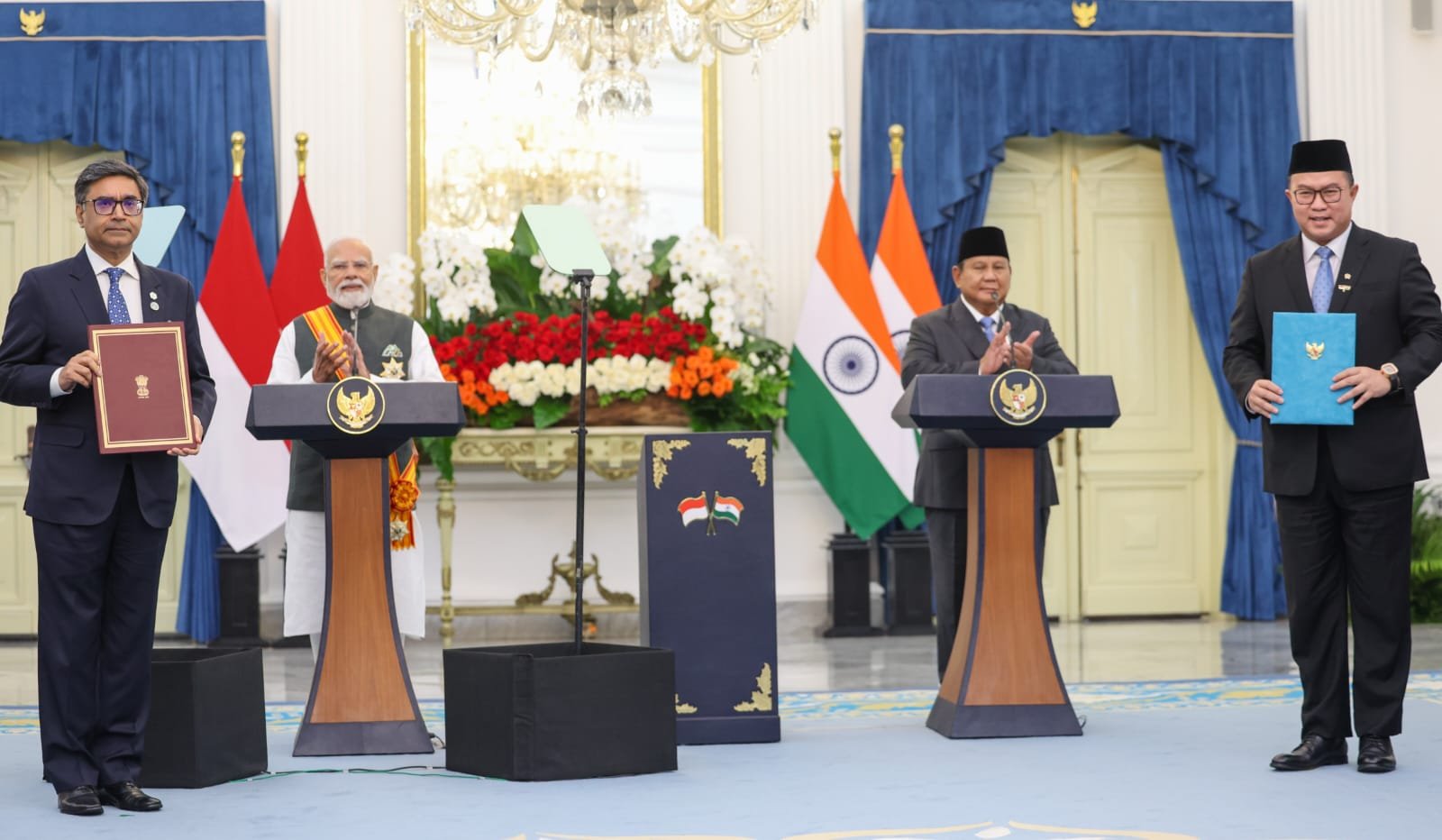
Prime Minister Modi’s visit came at an opportune moment. India, while seeking assured access to critical minerals, has proposed a much broader industrial partnership encompassing investment, technology transfer, manufacturing and downstream processing. Two agreements signed during the visit, covering the steel and nickel sectors, represent India’s first major attempt to integrate critical mineral diplomacy with its own industrial transformation. Rather than remaining a purchaser of raw materials, India is positioning itself as a partner in establishing integrated value chains. This represents a significant evolution in India’s economic diplomacy.
Economic Security
Economic security has now become one of the principal foundations of national security. Without reliable access to critical minerals, semiconductors, energy resources and trusted technologies, India’s ambitions in defence production, clean energy, electric mobility and advanced manufacturing would remain vulnerable. Indonesia faces similar challenges as it seeks to transform itself from a commodity exporter into an industrial economy. The convergence of these interests explains why both countries have chosen to deepen cooperation in these strategic sectors.
The emergence of resource diplomacy as a major component of India’s foreign policy should therefore be viewed in this broader context. India is no longer seeking only commercial relationships but is investing in strategic industrial partnerships that enhance resilience and reduce vulnerability. Indonesia, in turn, is leveraging its resource wealth to attract investment, develop domestic industry and diversify international partnerships while preserving its strategic autonomy.
China inevitably forms part of the strategic backdrop to this evolving relationship. China remains Indonesia’s largest investor in the critical-mineral sector, while India continues to rely heavily on Chinese-controlled processing facilities for several critical minerals and rare earth elements. Neither India nor Indonesia seeks to disrupt existing economic relationships. Rather, both are pursuing diversification. The objective is to create additional trusted supply chains rather than replace existing ones. Resource diplomacy thus becomes an instrument for strengthening strategic autonomy rather than promoting confrontation.
An especially promising possibility emerging from the visit is trilateral cooperation among India, Japan, and Indonesia. Japan possesses advanced processing technologies, abundant investment capital and decades of experience in developing sophisticated manufacturing ecosystems. Indonesia contributes vast mineral resources, while India offers engineering capabilities, industrial capacity and a rapidly expanding domestic market. Together, the three countries could establish one of the Indo Pacific’s most significant partnerships for critical minerals. Such cooperation would complement the rapidly expanding India–Japan economic security partnership while supporting Indonesia’s ambition to become a major centre for downstream manufacturing. More importantly, it would contribute to the development of trusted and diversified regional supply chains.
Defence cooperation also acquired a stronger industrial dimension during the visit. Discussions on Indonesia’s acquisition of the BrahMos missile system and cooperation on air-to-air missile technologies have now reached an advanced stage. More importantly, both sides are increasingly examining opportunities for defence industrial collaboration and, eventually, joint production. Such cooperation extends beyond conventional defence relations and has the potential to develop into an India Indonesia defence manufacturing partnership. Modern defence industries depend heavily upon advanced materials, specialized metals and secure technologies. Consequently, economic security and military security have become increasingly interdependent.
Trade relations also illustrate the changing character of the partnership. Indonesia has generally remained one of India’s largest trading partners within ASEAN, with bilateral trade exceeding $30 billion in recent years, driven largely by Indonesian exports of palm oil and coal. While these commodities will remain important, both governments now recognise the need to diversify the relationship. Future growth is likely to come from digital technologies, fintech, public health, education, agriculture, pharmaceuticals, industrial manufacturing and services.
India’s willingness to support Indonesian capacity building further distinguishes this partnership. Cooperation in digital payments through UPI, public administration, agricultural technology and healthcare reflects India’s readiness to share developmental experience rather than merely export products. Similarly, the proposed establishment of an Indian Institute of Management Bangalore campus in Indonesia’s Singhasari Special Economic Zone represents an important investment in human resource development and educational cooperation. Such initiatives broaden the relationship beyond trade towards long-term institutional collaboration.
Indo-Pacific Connect
The Indo Pacific dimension of the visit also deserves careful attention. Despite expanding strategic cooperation, neither country sought unnecessarily provocative messaging. Indonesia continues to balance its important economic relationship with China while simultaneously diversifying its strategic partnerships. This careful balancing is reflected in the 2026 Joint Statement’s omission of some references to the South China Sea that had appeared in the January 2025 Joint Statement issued during President Prabowo’s visit to India.
This omission should not be interpreted as a weakening of strategic convergence. Rather, it reflects Indonesia’s longstanding preference for strategic autonomy and diplomatic balance. More significant is Indonesia’s growing willingness to engage India within a wider Indo Pacific framework rather than limiting discussions to ASEAN or the South China Sea. President Prabowo has demonstrated a readiness to pursue a broader foreign policy that extends beyond ASEAN through initiatives involving BRICS, the OECD and wider Indo Pacific partnerships.
For India, this presents an important opportunity. The Indo Pacific should not depend upon the policies of any single great power. Rather, middle powers and regional democracies, including India, Indonesia, Japan, Australia, the Philippines and the Republic of Korea, should increasingly cooperate to preserve an open, inclusive and rules-based regional order. Indonesia’s readiness to participate more actively in such discussions is one of the less noticed but potentially most significant outcomes of the visit.
As I argued in The Durian Flavour, India and ASEAN should increasingly build partnerships based upon their own strategic interests rather than viewing each other primarily through the prism of China. The 2026 visit suggests that India and Indonesia are beginning to do precisely that. Their partnership is acquiring an independent strategic logic based on mutual economic interests, shared maritime geography, democratic values and common aspirations for the Indo Pacific.

Prime Minister Modi’s visit therefore marks an important milestone in India’s evolving foreign policy. Indonesia is no longer simply an important ASEAN partner; it is becoming central to India’s resource diplomacy and economic security strategy. Critical minerals, industrial cooperation, defence production, digital technologies, education and resilient supply chains are now joining maritime security as defining pillars of the bilateral relationship.
If the agreements concluded during the visit are implemented with the same political commitment that characterised the visit itself, the India Indonesia partnership could emerge as one of the Indo Pacific’s most consequential middle-power relationships. It would demonstrate how strategic autonomy, resource diplomacy and economic resilience can reinforce one another to build a more balanced, secure and prosperous regional order.




Indonesia Becomes Central to India’s Resource Diplomacy
Prime Minister Narendra Modi’s visit to Indonesia in July 2026 was an outstanding diplomatic success. The palpable warmth with which President Prabowo Subianto, his government and the people of Indonesia welcomed Prime Minister Modi reflected the growing political comfort between the two large Asian democracies. More importantly, the visit marked a significant evolution in the India Indonesia Comprehensive Strategic Partnership. While civilisational ties, democratic values, maritime cooperation and trade continue to underpin bilateral relations, the visit demonstrated that economic security, critical minerals and resilient supply chains have now emerged as equally important pillars of the relationship.
The strategic environment in the Indo-Pacific has changed dramatically over the past few years. The pandemic exposed the vulnerability of global supply chains. The conflict in Ukraine, the crisis in Gaza and, more recently, tensions involving Iran have further disrupted energy markets and international trade. Simultaneously, strategic competition between the United States and China has intensified the search for trusted suppliers of critical minerals, advanced manufacturing capabilities and resilient industrial ecosystems. Consequently, economic policy has increasingly become strategic policy. India’s diplomacy is therefore moving beyond market access and trade towards securing the resources, technologies and partnerships that will underpin its long-term economic and national security. Indonesia has emerged as one of India’s most important partners in this endeavour.
Geography has always favoured close India Indonesia cooperation. Together, the two countries anchor the eastern Indian Ocean and overlook the approaches to the Malacca Strait, through which a substantial proportion of global trade and energy supplies pass. Maritime security, coordinated naval patrols, coast guard cooperation and support for a free, open and inclusive Indo Pacific have naturally formed the backbone of bilateral engagement.
When Prime Minister Modi visited Indonesia in 2018 and the relationship was elevated to a Comprehensive Strategic Partnership, considerable emphasis was placed on maritime cooperation. Alongside coordinated patrols, naval exercises and maritime connectivity, the development of Sabang Port in Aceh Province, close to India’s Andaman and Nicobar Islands, was projected as a flagship initiative. Although Sabang generated considerable strategic interest, progress has remained slow over the past eight years.
Focus on Critical Minerals
The 2026 visit reflects a notable shift in emphasis. Maritime cooperation remains important, but the partnership is now increasingly driven by economic security, industrial collaboration, defence production and critical mineral diplomacy. Secure supply chains have become as strategically significant as secure sea lanes.
Among the most consequential outcomes of the visit was the elevation of critical minerals to the centre of bilateral cooperation. Indonesia possesses almost 60 percent of the world’s known nickel reserves and has become a major producer of nickel derivatives essential for electric vehicle batteries, renewable energy technologies, stainless steel and advanced manufacturing. Recognising the need to capture greater value from its natural resources, Indonesia prohibited exports of raw nickel ore in 2020 and encouraged investment in domestic refining, processing and downstream industries. This policy has significantly accelerated Indonesia’s industrialisation.
Chinese companies have understandably been among the largest investors in Indonesia’s downstream nickel industry, particularly in Sulawesi. While these investments have contributed substantially to Indonesia’s economic growth, Jakarta also recognises the risks associated with excessive dependence on any single external partner. Diversifying investment sources and strengthening technological partnerships have therefore become important policy objectives.
Prime Minister Modi’s visit came at an opportune moment. India, while seeking assured access to critical minerals, has proposed a much broader industrial partnership encompassing investment, technology transfer, manufacturing and downstream processing. Two agreements signed during the visit, covering the steel and nickel sectors, represent India’s first major attempt to integrate critical mineral diplomacy with its own industrial transformation. Rather than remaining a purchaser of raw materials, India is positioning itself as a partner in establishing integrated value chains. This represents a significant evolution in India’s economic diplomacy.
Economic Security
Economic security has now become one of the principal foundations of national security. Without reliable access to critical minerals, semiconductors, energy resources and trusted technologies, India’s ambitions in defence production, clean energy, electric mobility and advanced manufacturing would remain vulnerable. Indonesia faces similar challenges as it seeks to transform itself from a commodity exporter into an industrial economy. The convergence of these interests explains why both countries have chosen to deepen cooperation in these strategic sectors.
The emergence of resource diplomacy as a major component of India’s foreign policy should therefore be viewed in this broader context. India is no longer seeking only commercial relationships but is investing in strategic industrial partnerships that enhance resilience and reduce vulnerability. Indonesia, in turn, is leveraging its resource wealth to attract investment, develop domestic industry and diversify international partnerships while preserving its strategic autonomy.
China inevitably forms part of the strategic backdrop to this evolving relationship. China remains Indonesia’s largest investor in the critical-mineral sector, while India continues to rely heavily on Chinese-controlled processing facilities for several critical minerals and rare earth elements. Neither India nor Indonesia seeks to disrupt existing economic relationships. Rather, both are pursuing diversification. The objective is to create additional trusted supply chains rather than replace existing ones. Resource diplomacy thus becomes an instrument for strengthening strategic autonomy rather than promoting confrontation.
An especially promising possibility emerging from the visit is trilateral cooperation among India, Japan, and Indonesia. Japan possesses advanced processing technologies, abundant investment capital and decades of experience in developing sophisticated manufacturing ecosystems. Indonesia contributes vast mineral resources, while India offers engineering capabilities, industrial capacity and a rapidly expanding domestic market. Together, the three countries could establish one of the Indo Pacific’s most significant partnerships for critical minerals. Such cooperation would complement the rapidly expanding India–Japan economic security partnership while supporting Indonesia’s ambition to become a major centre for downstream manufacturing. More importantly, it would contribute to the development of trusted and diversified regional supply chains.
Defence cooperation also acquired a stronger industrial dimension during the visit. Discussions on Indonesia’s acquisition of the BrahMos missile system and cooperation on air-to-air missile technologies have now reached an advanced stage. More importantly, both sides are increasingly examining opportunities for defence industrial collaboration and, eventually, joint production. Such cooperation extends beyond conventional defence relations and has the potential to develop into an India Indonesia defence manufacturing partnership. Modern defence industries depend heavily upon advanced materials, specialized metals and secure technologies. Consequently, economic security and military security have become increasingly interdependent.
Trade relations also illustrate the changing character of the partnership. Indonesia has generally remained one of India’s largest trading partners within ASEAN, with bilateral trade exceeding $30 billion in recent years, driven largely by Indonesian exports of palm oil and coal. While these commodities will remain important, both governments now recognise the need to diversify the relationship. Future growth is likely to come from digital technologies, fintech, public health, education, agriculture, pharmaceuticals, industrial manufacturing and services.
India’s willingness to support Indonesian capacity building further distinguishes this partnership. Cooperation in digital payments through UPI, public administration, agricultural technology and healthcare reflects India’s readiness to share developmental experience rather than merely export products. Similarly, the proposed establishment of an Indian Institute of Management Bangalore campus in Indonesia’s Singhasari Special Economic Zone represents an important investment in human resource development and educational cooperation. Such initiatives broaden the relationship beyond trade towards long-term institutional collaboration.
Indo-Pacific Connect
The Indo Pacific dimension of the visit also deserves careful attention. Despite expanding strategic cooperation, neither country sought unnecessarily provocative messaging. Indonesia continues to balance its important economic relationship with China while simultaneously diversifying its strategic partnerships. This careful balancing is reflected in the 2026 Joint Statement’s omission of some references to the South China Sea that had appeared in the January 2025 Joint Statement issued during President Prabowo’s visit to India.
This omission should not be interpreted as a weakening of strategic convergence. Rather, it reflects Indonesia’s longstanding preference for strategic autonomy and diplomatic balance. More significant is Indonesia’s growing willingness to engage India within a wider Indo Pacific framework rather than limiting discussions to ASEAN or the South China Sea. President Prabowo has demonstrated a readiness to pursue a broader foreign policy that extends beyond ASEAN through initiatives involving BRICS, the OECD and wider Indo Pacific partnerships.
For India, this presents an important opportunity. The Indo Pacific should not depend upon the policies of any single great power. Rather, middle powers and regional democracies, including India, Indonesia, Japan, Australia, the Philippines and the Republic of Korea, should increasingly cooperate to preserve an open, inclusive and rules-based regional order. Indonesia’s readiness to participate more actively in such discussions is one of the less noticed but potentially most significant outcomes of the visit.
As I argued in The Durian Flavour, India and ASEAN should increasingly build partnerships based upon their own strategic interests rather than viewing each other primarily through the prism of China. The 2026 visit suggests that India and Indonesia are beginning to do precisely that. Their partnership is acquiring an independent strategic logic based on mutual economic interests, shared maritime geography, democratic values and common aspirations for the Indo Pacific.
Prime Minister Modi’s visit therefore marks an important milestone in India’s evolving foreign policy. Indonesia is no longer simply an important ASEAN partner; it is becoming central to India’s resource diplomacy and economic security strategy. Critical minerals, industrial cooperation, defence production, digital technologies, education and resilient supply chains are now joining maritime security as defining pillars of the bilateral relationship.
If the agreements concluded during the visit are implemented with the same political commitment that characterised the visit itself, the India Indonesia partnership could emerge as one of the Indo Pacific’s most consequential middle-power relationships. It would demonstrate how strategic autonomy, resource diplomacy and economic resilience can reinforce one another to build a more balanced, secure and prosperous regional order.
Gurjit Singh
Related Posts
Enhancing Indo-Pacific Diplomacy for India’s Rise
Diplomatic win for India: BRICS bridges Gulf divide, bats for Global South
Illuminating India’s BRICS moment
With Trump listening in, Iran urges PM Modi to end war with US
India Russia ‘dosti’ in Bishkek: Focus on end of Ukraine war, balanced trade
Uncovering Pakistan: Modi rallies SCO against states that use terror as policy
Latest Events
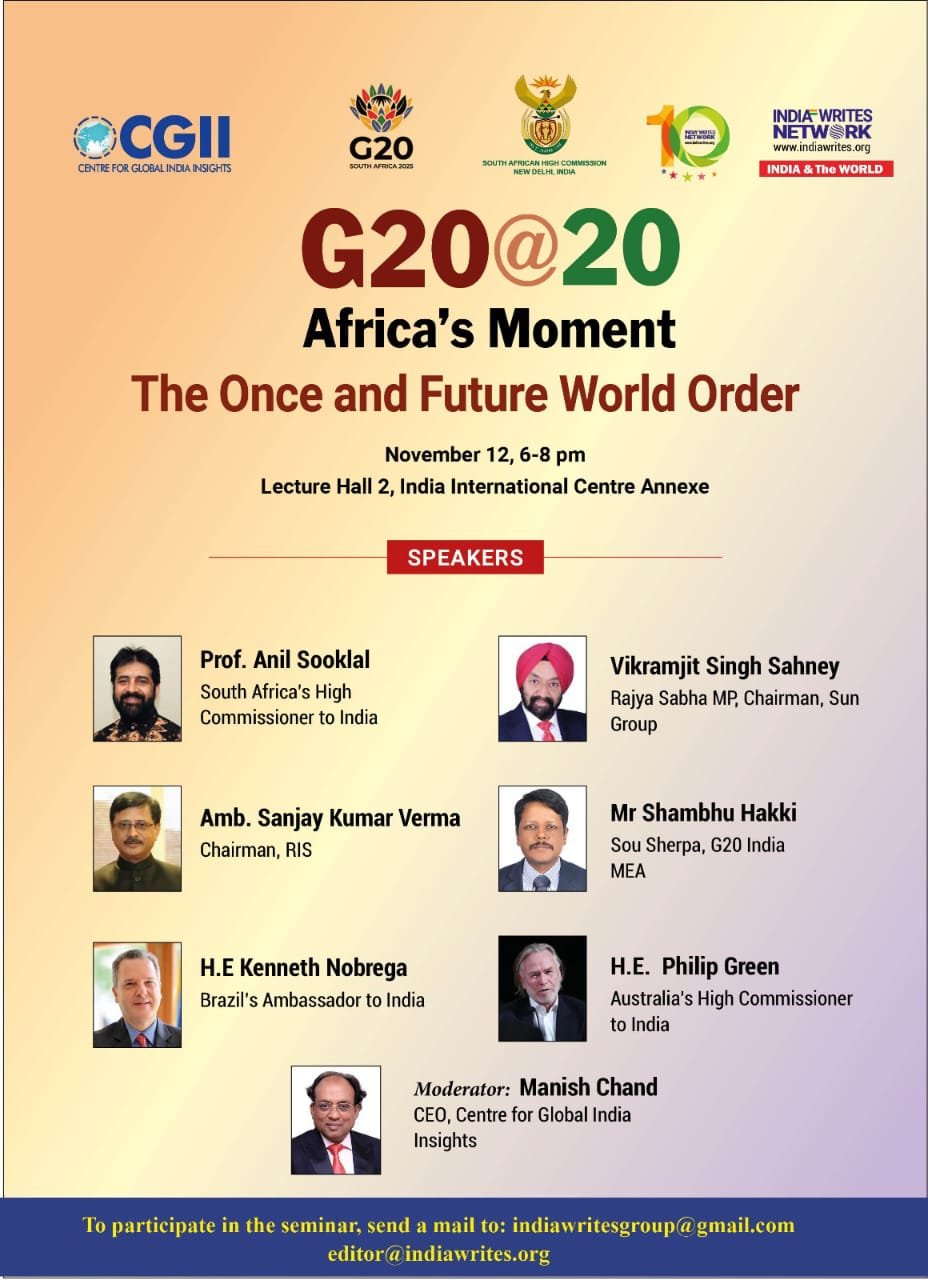
G20@20: Africa’s Moment – The Once and Future World Order
Speakers
Professor Anil Sooklal
Kenneth da Nobrega
Manish Chand
Ambassador Philip Green
Sanjay Kumar Verma
Shambhu Hakki
Vikramjit Singh Sahney
MPs, diplomats laud Operation Sindoor, call for national unity to combat Pakistan-sponsored terror
Speakers
Aparajita Sarangi
Brij Lal
Dr Amar Patnaik
Manish Chand
Priyanka Chaturvedi
Sujan Chinoy
Yashvardhan Kumar Sinha
BRICS summit in Rio to focus on Global South, local currency trade
Speakers
Dammu Ravi
Denis Alipov
Ina Hagniningtyas Krisnamurthi
Jyoti Vij
Kamel Zayed Kamel Galal
Kenneth da Nobrega
Manish Chand
Book
India’s G20 Legacy: Shaping a New World Order
Editor: Manish Chand
Pages: 206
Publisher: Pentagon Press LLP
Cover Price: INR 995
In Conversation
India’s BRICS Chairship Critical for Global South: South Africa’s Envoy
In The Press
Rescuing G20 from North-South divide: Ubuntu Moment
The Sunday Guardian: India calls for strengthened BRICS cooperation
Daily Excelsior: Ahead BRICS summit in Rio, envoys call for greater focus on combating terrorism
Rediff: BRICS Summit 2024: Focus on National Currencies
Latest From CGII
Enhancing Indo-Pacific Diplomacy for India’s Rise
Diplomatic win for India: BRICS bridges Gulf divide, bats for Global South
Illuminating India’s BRICS moment
With Trump listening in, Iran urges PM Modi to end war with US
India Russia ‘dosti’ in Bishkek: Focus on end of Ukraine war, balanced trade
Uncovering Pakistan: Modi rallies SCO against states that use terror as policy
The Journal
Special Edition on India’s Indo-Pacific plus Diplomacy
India’s G20 Journey – Scaling A New Summit