


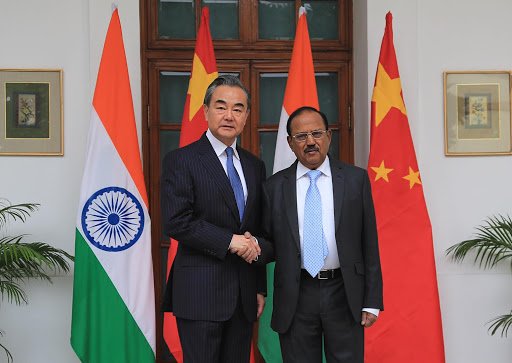
By Shweta Aggarwal The nearly two-hour long video conference between National Security Advisor (NSA) Ajit Doval and Chinese Foreign Minister and State Councillor Wang Yi has finally led to a breakthrough, with both sides agreeing to end the standoff and “continue their conversation” to “ensure full and enduring restoration of peace and tranquillity.” The video call between Special Representatives of India and China took place on July 5, but the contents of the conversation were made public by both sides only a day later. “The two Special Representatives had a frank and in-depth exchange of views on the recent developments in the Western Sector of the India-China border areas,” said India’s Ministry of External Affairs in a statement. “The two Special Representatives agreed that both sides should take guidance from the consensus of the leaders that maintenance of peace and tranquillity in the India-China border areas was essential for the further development of our bilateral relations and that two sides should not allow differences to become disputes,” said the external affairs ministry. Post-Galwan understanding The key features of the new post-Galwan India-China understanding can be summarised as follows:
-
Earliest complete disengagement of the troops along the LAC and de-escalation from India-China border areas for full restoration of peace and tranquillity.
-
Fast-tracking the ongoing disengagement process along the LAC expeditiously.
-
Expediting a phased and stepwise de-escalation in the India-China border areas.
-
Strict avoidance of any unilateral action to alter the status quo and work together to avoid any incident in the future that could disturb peace and tranquillity in border areas.
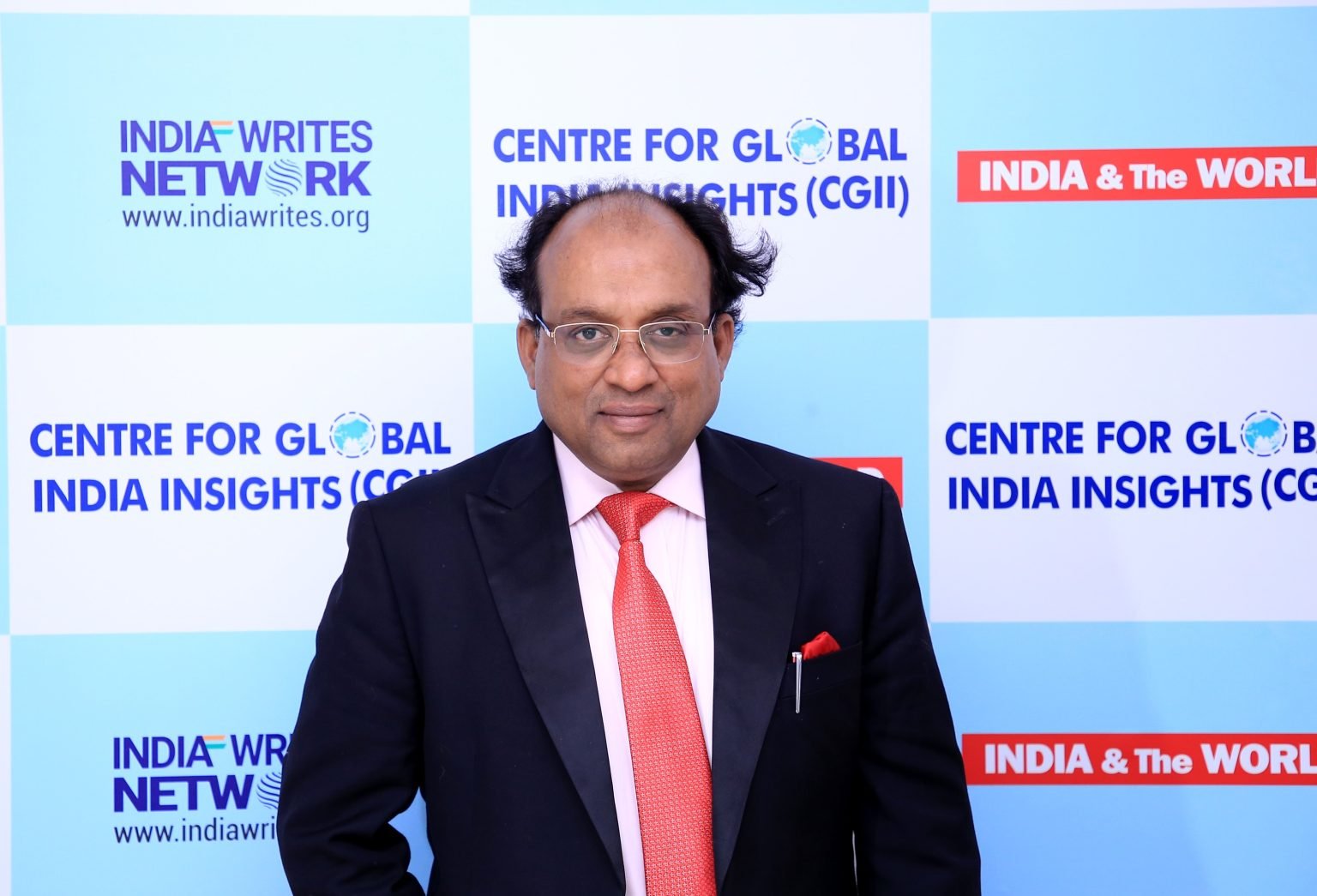
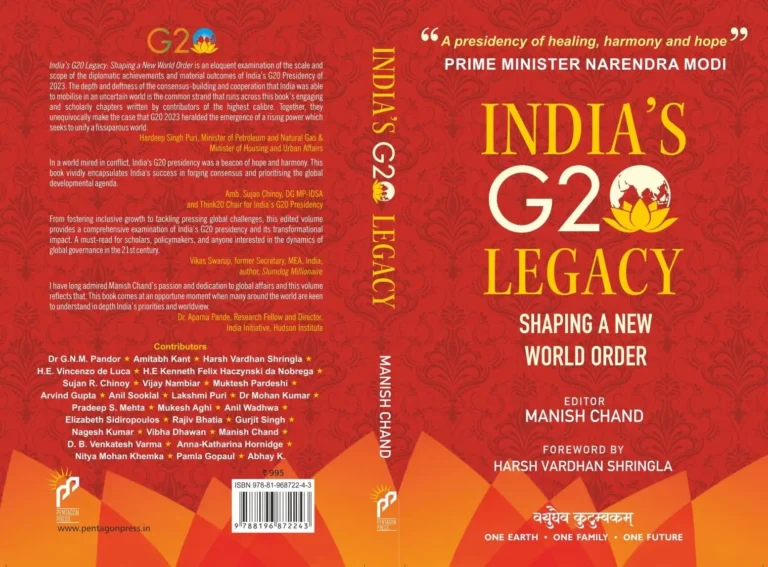
“There is a refreshing convergence between the two Asian powers on the urgent imperative of maintaining peace and tranquillity in the border areas. Prudence and pragmatism seems to have prevailed, least for now. In a sense, the two countries, after weeks of hostility and bellicose posturing, seem to be returning to the overarching consensus of the Wuhan and Chennai summits that maintaining peace on the border is central to progress in other spheres of India-China relations,” said Manish Chand, CEO & Editor-in-Chief, India Writes Network and India and the World magazine.
“The Doval-Wang understanding will be closely analysed in the coming says. The proof of the pudding, needless to say, will lie in the eating of it,” said Mr Chand, a foreign affairs analyst who tracks India-China relations closely. China’s Narrative  Commenting on the new understanding, China’s Ministry of Foreign Affairs highlighted that both sides agreed to follow the important consensus reached by leaders of the two countries. “Both believed that maintaining peace and tranquility in the border areas matters significantly to the long-term development of bilateral relationship, that the boundary question should be placed properly in the bilateral relations, and that an escalation from differences to disputes should be avoided.” Alluding to the 70th anniversary of the establishment of diplomatic ties between China and India, Wang Yi, according to MOFA, conveyed to Mr Doval. “Our bilateral relations have withstood tests and made hard-won progress. The right and wrong of what recently happened at the Galwan Valley in the western sector of the China-India boundary is very clear.” “China will continue firmly safeguarding our territorial sovereignty as well as peace and tranquility in the border areas,” he said. Wang Yi stressed that for both China and India, achieving development and revitalization is the top priority an d underlined that the two countries share long-term strategic interests. “Both sides should adhere to the strategic assessment that instead of posing threats, the two countries provide each other with development opportunities,” said Wang Yi. India-China relations plummeted to a new low point following violent clashes between Indian and Chinese soldiers in Ladakh on June 15, which resulted in at least 20 Indian soldiers being martyred. Diplomatic efforts have been underway since to peacefully settle border tensions and the Peoples Liberation Army (PLA) has reportedly removed some of its “tents and temporary structures” and “some of their vehicles being moved back by about a kilometre or so” in first signs of a mutual troop pullback. The Doval-Wang talks followed three round talks between India-China corps commanders, with the latest being held on June 6, which according to Indian officials took place in a “cordial and positive atmosphere.” (Rushali Saha contributed inputs for this article)