In keeping with its public commitment to respecting the people’s mandate, New Delhi welcomed Foreign Minister Dr. Khalilur Rahaman of the newly elected government of Bangladesh, headed by Prime Minister Tareq Rahaman, along with his delegation, for his first visit to India on April 7-9, 2026.
The two-day visit was more of an attempt to better understand each other’s concerns and priorities rather than aiming for any substantive outcome. However, the high-level engagement reflected an intention to renew bilateral ties that had been severely hampered during the interim government led by Chief Executive and Nobel laureate Professor Muhammad Yunus, following the fall of the Sheikh Hasina government.
Diplomatic references to the visit by the Bangladesh side as a “goodwill stopover” may have suggested a degree of informality, yet it is undeniable that the visit was sought by Dhaka for practical cooperation, particularly the normalization of business relations, increased diesel supplies, and withdrawal of visa restrictions, at a time when Bangladesh is facing a severe economic crisis and struggling to meet public expectations.
The Bangladesh Foreign Ministry stated that the Foreign Minister departed Dhaka for Delhi enroute to Mauritius to participate in the Indian Ocean Conference scheduled for April 10–12, while India formally described the trip as an official visit.
Following the bilateral meeting between the two sides, official statements were not entirely aligned, particularly on certain issues. The Bangladesh side emphasized that the recently elected BNP government under the leadership of Prime Minister Tarique Rahman would pursue its foreign policy in accordance with the principle of “Bangladesh First,” based on mutual trust, respect, and reciprocal benefit.
Hasina Extradition Issue
At the same time, the visiting side reiterated its request to extradite Sheikh Hasina and her Home Minister Asaduzzaman Khan Kamal to Bangladesh, both of whom have been awarded death sentences by the International Crimes Tribunal.
The readout from the Indian side remained silent on this issue but expressed a desire to continue engagement for the welfare of the people and to revive all previously existing bilateral mechanisms, through which outstanding issues could be addressed.
The presence of ousted Bangladesh premier Sheikh Hasina in India remains a key sticking point in bilateral relations. Dhaka is likely to reiterate its request for her extradition while attempting to ensure that this issue does not derail the broader process of normalising ties after a period of unprecedented strain.
During discussions with External Affairs Minister Dr. S. Jaishankar and National Security Advisor Ajit Doval, Bangladesh Foreign Minister Dr. Khalilur Rahaman and International Advisor to Prime Minister Tarique Rahman indicated that Sheikh Hasina’s Awami League, barred from contesting the 2026 general elections, still has a future in the country’s political framework, albeit without her leadership, provided the party acknowledges past governance failures. The responsibility now rests with the Awami League to determine its future political course.
Sheikh Hasina, 78, has been living in India in self-exile since her government was toppled in August 2024 following weeks of student-led protests. The interim government led by Muhammad Yunus first sought her extradition in December 2024, and the request has since been reiterated multiple times. India has yet to respond formally, citing incomplete legal formalities on the Bangladeshi side.
Randhir Jaiswal, the spokesperson of India’s Ministry of External Affairs, has articulated New Delhi’s cautious stance on this contentious issue. “The request for extradition of former Prime Minister Sheikh Hasina is being examined as part of ongoing judicial and internal legal processes. We will continue to engage constructively on the issue with all stakeholders,” said Jaiswal.
Bridging Trust Deficit
As a close neighbour, India remains ready to extend cooperation, provided Dhaka responds positively. However, security-related issues continue to be irritants for South Block, and the trust deficit cannot be overlooked, particularly given concerns that extremist elements were allowed greater operational space during the 18 months of the Yunus administration.
New Delhi has specifically emphasized the need for close cooperation between the security agencies of both countries to bridge the trust deficit. During the Yunus period, concerns were also raised about Pakistan’s intelligence presence in Bangladesh, particularly in northern regions close to India’s strategically sensitive “Chicken’s Neck” corridor.
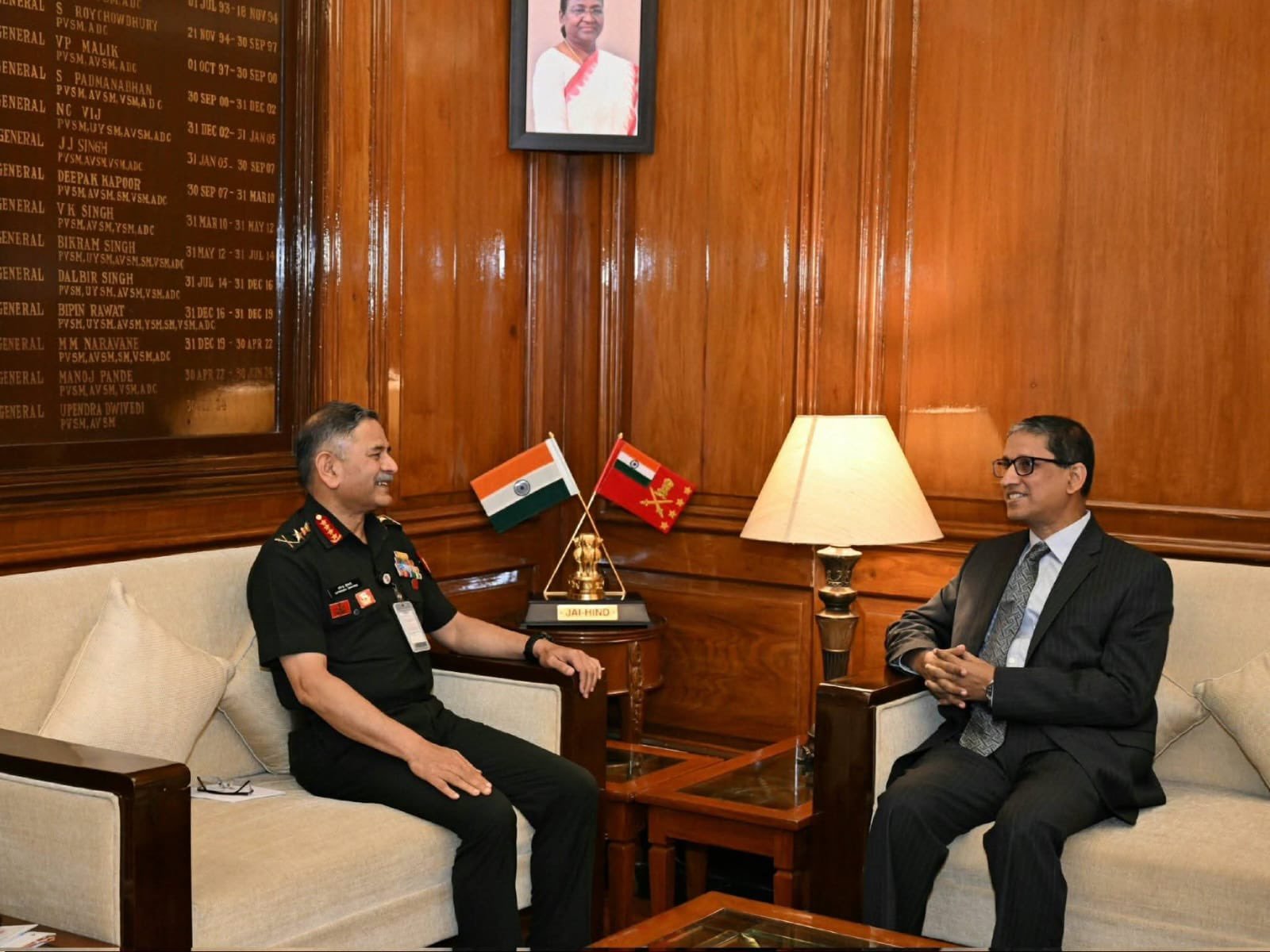
The ongoing crisis and conflict in West Asia have also adversely affected Bangladesh’s economy, further underscoring the need to rebuild relations with India despite past tensions. Dhaka has expressed its intention to strengthen cooperation in several key areas, including the liberalisation of visa regimes and restoration of access to Indian land and seaports for trans-shipment of Bangladeshi exports.
India’s restrictions on medical visas have been described as a significant concern by Bangladeshi stakeholders, as patients have been compelled to seek treatment in other countries at substantially higher costs.
Bangladesh remained the largest source of foreign tourist arrivals in India between 2017 and 2023, with numbers peaking at around 2.6 million in 2019. However, arrivals declined sharply to approximately 450,000 in 2025 following the deterioration of bilateral relations. Dhaka has repeatedly stressed the importance of restoring visa issuance to earlier levels.
Enhancing Economic Ties
In the context of trade and investment, Bangladesh is keen to enhance economic engagement with India and has sought the removal of restrictions on the use of Indian land and seaports that were imposed during the period of strained relations. Despite tensions, bilateral trade reached $12.90 billion in FY24, making Bangladesh India’s largest trading partner in the subcontinent. Dhaka has expressed confidence that trade volumes could increase to $28 billion, a goal considered achievable by several observers.
Pakistan-China Concerns
The visiting delegation from Dhaka also provided assurances that Bangladeshi territory would not be used to undermine India’s interests. Dhaka emphasized that its relations with Beijing and Islamabad should not be overstated. While Bangladesh maintains diplomatic ties with Pakistan, officials assured India that cooperation with Pakistan’s Inter-Services Intelligence (ISI) would not take place in ways detrimental to Indian interests. Analysts also noted that trade between Bangladesh and Pakistan remains limited.
Foreign policy experts reiterated the BNP’s call for reviving the South Asian Association for Regional Cooperation (SAARC), which has remained largely inactive due to differences between India and Pakistan. At the same time, Dhaka expressed readiness to work under the BIMSTEC framework and strengthen the institution through expanded developmental initiatives.
Safety of Hindus
India also raised concerns regarding the condition of minorities in Bangladesh, particularly following reports of threats even after the elected government assumed office. The Bangladeshi side reassured India of their commitment to safeguarding minority communities, including Hindus, and highlighted the representation of minorities in government and administrative positions.
Bangladesh, in turn, raised concerns regarding the deaths of its citizens in firing incidents involving Indian border guards, an issue that continues to evoke strong domestic sentiment. Analysts noted that the Jamaat-e-Islami performed strongly in several border areas during recent elections, partly by capitalizing on anti-India sentiment linked to such incidents.
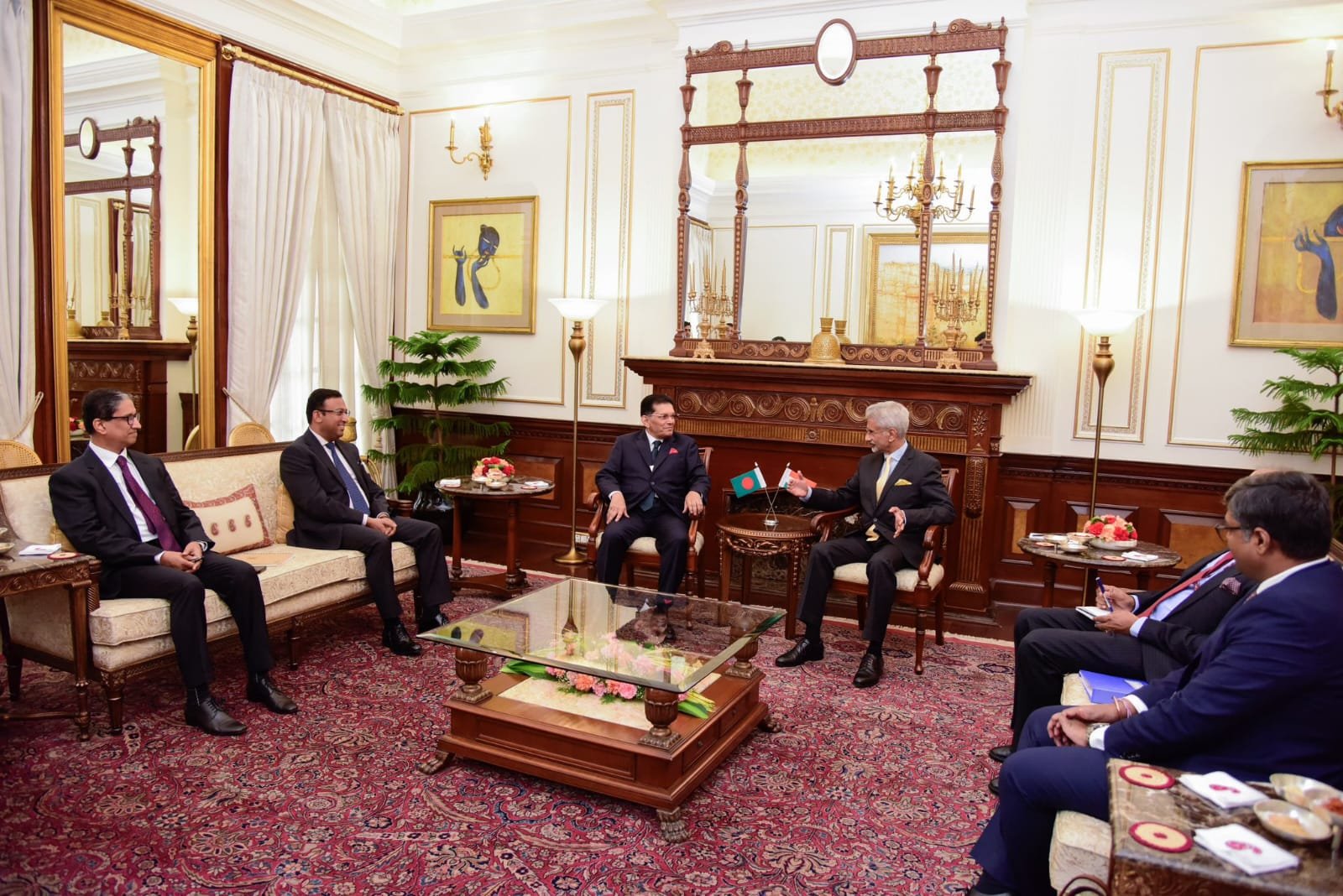
India and Bangladesh currently maintain more than 70 bilateral mechanisms through which issues are discussed and resolved. External Affairs Minister Dr. S. Jaishankar reiterated India’s commitment to constructive engagement with the new government in Dhaka to further strengthen bilateral ties.
Another significant issue is the Ganges Water Sharing Agreement, which is set to expire in December 2026. Bangladesh is keen to renew the agreement at the earliest opportunity. Following the West Bengal assembly elections, the Joint River Commission is expected to address the matter, as the consent of the state government is essential for any water-sharing arrangement. South Block has indicated that follow-on official meetings are likely to take place in the near future.
The Way Forward
While the visit was modest in its immediate outcomes, it has laid the groundwork for a cautious but necessary recalibration of ties between New Delhi and Dhaka. The real measure of success will lie in the ability of both sides to translate goodwill into actionable cooperation, particularly in trade facilitation, visa liberalisation, and water-sharing arrangements. As regional geopolitical dynamics evolve, sustained dialogue and mutual accommodation will be essential in ensuring that bilateral relations move beyond past strains toward a more stable and mutually beneficial partnership




Recalibrating India-Bangladesh Ties: Behind Dhaka’s First High-Level Outreach
In keeping with its public commitment to respecting the people’s mandate, New Delhi welcomed Foreign Minister Dr. Khalilur Rahaman of the newly elected government of Bangladesh, headed by Prime Minister Tareq Rahaman, along with his delegation, for his first visit to India on April 7-9, 2026.
The two-day visit was more of an attempt to better understand each other’s concerns and priorities rather than aiming for any substantive outcome. However, the high-level engagement reflected an intention to renew bilateral ties that had been severely hampered during the interim government led by Chief Executive and Nobel laureate Professor Muhammad Yunus, following the fall of the Sheikh Hasina government.
Diplomatic references to the visit by the Bangladesh side as a “goodwill stopover” may have suggested a degree of informality, yet it is undeniable that the visit was sought by Dhaka for practical cooperation, particularly the normalization of business relations, increased diesel supplies, and withdrawal of visa restrictions, at a time when Bangladesh is facing a severe economic crisis and struggling to meet public expectations.
The Bangladesh Foreign Ministry stated that the Foreign Minister departed Dhaka for Delhi enroute to Mauritius to participate in the Indian Ocean Conference scheduled for April 10–12, while India formally described the trip as an official visit.
Following the bilateral meeting between the two sides, official statements were not entirely aligned, particularly on certain issues. The Bangladesh side emphasized that the recently elected BNP government under the leadership of Prime Minister Tarique Rahman would pursue its foreign policy in accordance with the principle of “Bangladesh First,” based on mutual trust, respect, and reciprocal benefit.
Hasina Extradition Issue
At the same time, the visiting side reiterated its request to extradite Sheikh Hasina and her Home Minister Asaduzzaman Khan Kamal to Bangladesh, both of whom have been awarded death sentences by the International Crimes Tribunal.
The readout from the Indian side remained silent on this issue but expressed a desire to continue engagement for the welfare of the people and to revive all previously existing bilateral mechanisms, through which outstanding issues could be addressed.
The presence of ousted Bangladesh premier Sheikh Hasina in India remains a key sticking point in bilateral relations. Dhaka is likely to reiterate its request for her extradition while attempting to ensure that this issue does not derail the broader process of normalising ties after a period of unprecedented strain.
During discussions with External Affairs Minister Dr. S. Jaishankar and National Security Advisor Ajit Doval, Bangladesh Foreign Minister Dr. Khalilur Rahaman and International Advisor to Prime Minister Tarique Rahman indicated that Sheikh Hasina’s Awami League, barred from contesting the 2026 general elections, still has a future in the country’s political framework, albeit without her leadership, provided the party acknowledges past governance failures. The responsibility now rests with the Awami League to determine its future political course.
Sheikh Hasina, 78, has been living in India in self-exile since her government was toppled in August 2024 following weeks of student-led protests. The interim government led by Muhammad Yunus first sought her extradition in December 2024, and the request has since been reiterated multiple times. India has yet to respond formally, citing incomplete legal formalities on the Bangladeshi side.
Randhir Jaiswal, the spokesperson of India’s Ministry of External Affairs, has articulated New Delhi’s cautious stance on this contentious issue. “The request for extradition of former Prime Minister Sheikh Hasina is being examined as part of ongoing judicial and internal legal processes. We will continue to engage constructively on the issue with all stakeholders,” said Jaiswal.
Bridging Trust Deficit
As a close neighbour, India remains ready to extend cooperation, provided Dhaka responds positively. However, security-related issues continue to be irritants for South Block, and the trust deficit cannot be overlooked, particularly given concerns that extremist elements were allowed greater operational space during the 18 months of the Yunus administration.
New Delhi has specifically emphasized the need for close cooperation between the security agencies of both countries to bridge the trust deficit. During the Yunus period, concerns were also raised about Pakistan’s intelligence presence in Bangladesh, particularly in northern regions close to India’s strategically sensitive “Chicken’s Neck” corridor.
The ongoing crisis and conflict in West Asia have also adversely affected Bangladesh’s economy, further underscoring the need to rebuild relations with India despite past tensions. Dhaka has expressed its intention to strengthen cooperation in several key areas, including the liberalisation of visa regimes and restoration of access to Indian land and seaports for trans-shipment of Bangladeshi exports.
India’s restrictions on medical visas have been described as a significant concern by Bangladeshi stakeholders, as patients have been compelled to seek treatment in other countries at substantially higher costs.
Bangladesh remained the largest source of foreign tourist arrivals in India between 2017 and 2023, with numbers peaking at around 2.6 million in 2019. However, arrivals declined sharply to approximately 450,000 in 2025 following the deterioration of bilateral relations. Dhaka has repeatedly stressed the importance of restoring visa issuance to earlier levels.
Enhancing Economic Ties
In the context of trade and investment, Bangladesh is keen to enhance economic engagement with India and has sought the removal of restrictions on the use of Indian land and seaports that were imposed during the period of strained relations. Despite tensions, bilateral trade reached $12.90 billion in FY24, making Bangladesh India’s largest trading partner in the subcontinent. Dhaka has expressed confidence that trade volumes could increase to $28 billion, a goal considered achievable by several observers.
Pakistan-China Concerns
The visiting delegation from Dhaka also provided assurances that Bangladeshi territory would not be used to undermine India’s interests. Dhaka emphasized that its relations with Beijing and Islamabad should not be overstated. While Bangladesh maintains diplomatic ties with Pakistan, officials assured India that cooperation with Pakistan’s Inter-Services Intelligence (ISI) would not take place in ways detrimental to Indian interests. Analysts also noted that trade between Bangladesh and Pakistan remains limited.
Foreign policy experts reiterated the BNP’s call for reviving the South Asian Association for Regional Cooperation (SAARC), which has remained largely inactive due to differences between India and Pakistan. At the same time, Dhaka expressed readiness to work under the BIMSTEC framework and strengthen the institution through expanded developmental initiatives.
Safety of Hindus
India also raised concerns regarding the condition of minorities in Bangladesh, particularly following reports of threats even after the elected government assumed office. The Bangladeshi side reassured India of their commitment to safeguarding minority communities, including Hindus, and highlighted the representation of minorities in government and administrative positions.
Bangladesh, in turn, raised concerns regarding the deaths of its citizens in firing incidents involving Indian border guards, an issue that continues to evoke strong domestic sentiment. Analysts noted that the Jamaat-e-Islami performed strongly in several border areas during recent elections, partly by capitalizing on anti-India sentiment linked to such incidents.
India and Bangladesh currently maintain more than 70 bilateral mechanisms through which issues are discussed and resolved. External Affairs Minister Dr. S. Jaishankar reiterated India’s commitment to constructive engagement with the new government in Dhaka to further strengthen bilateral ties.
Another significant issue is the Ganges Water Sharing Agreement, which is set to expire in December 2026. Bangladesh is keen to renew the agreement at the earliest opportunity. Following the West Bengal assembly elections, the Joint River Commission is expected to address the matter, as the consent of the state government is essential for any water-sharing arrangement. South Block has indicated that follow-on official meetings are likely to take place in the near future.
The Way Forward
While the visit was modest in its immediate outcomes, it has laid the groundwork for a cautious but necessary recalibration of ties between New Delhi and Dhaka. The real measure of success will lie in the ability of both sides to translate goodwill into actionable cooperation, particularly in trade facilitation, visa liberalisation, and water-sharing arrangements. As regional geopolitical dynamics evolve, sustained dialogue and mutual accommodation will be essential in ensuring that bilateral relations move beyond past strains toward a more stable and mutually beneficial partnership
Gautam Lahiri
Related Posts
Diplomatic win for India: BRICS bridges Gulf divide, bats for Global South
Illuminating India’s BRICS moment
With Trump listening in, Iran urges PM Modi to end war with US
India Russia ‘dosti’ in Bishkek: Focus on end of Ukraine war, balanced trade
Uncovering Pakistan: Modi rallies SCO against states that use terror as policy
Modi’s SCO agenda: Shaping a region free of terror, widening arc of prosperity
Latest Events
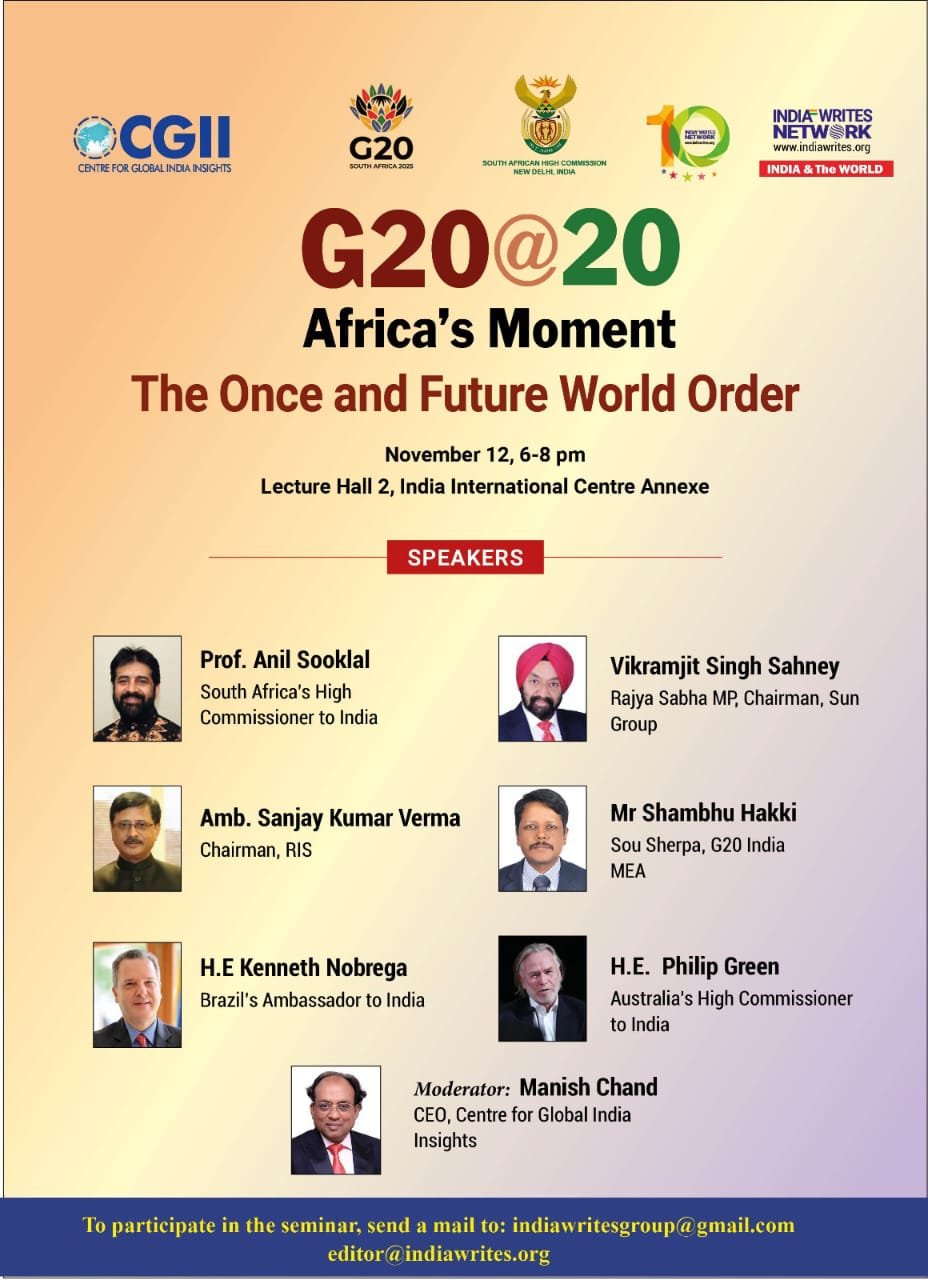
G20@20: Africa’s Moment – The Once and Future World Order
Speakers
Professor Anil Sooklal
Kenneth da Nobrega
Manish Chand
Ambassador Philip Green
Sanjay Kumar Verma
Shambhu Hakki
Vikramjit Singh Sahney
MPs, diplomats laud Operation Sindoor, call for national unity to combat Pakistan-sponsored terror
Speakers
Aparajita Sarangi
Brij Lal
Dr Amar Patnaik
Manish Chand
Priyanka Chaturvedi
Sujan Chinoy
Yashvardhan Kumar Sinha
BRICS summit in Rio to focus on Global South, local currency trade
Speakers
Dammu Ravi
Denis Alipov
Ina Hagniningtyas Krisnamurthi
Jyoti Vij
Kamel Zayed Kamel Galal
Kenneth da Nobrega
Manish Chand
Book
India’s G20 Legacy: Shaping a New World Order
Editor: Manish Chand
Pages: 206
Publisher: Pentagon Press LLP
Cover Price: INR 995
In Conversation
India’s BRICS Chairship Critical for Global South: South Africa’s Envoy
In The Press
Rescuing G20 from North-South divide: Ubuntu Moment
The Sunday Guardian: India calls for strengthened BRICS cooperation
Daily Excelsior: Ahead BRICS summit in Rio, envoys call for greater focus on combating terrorism
Rediff: BRICS Summit 2024: Focus on National Currencies
Latest From CGII
Diplomatic win for India: BRICS bridges Gulf divide, bats for Global South
Illuminating India’s BRICS moment
With Trump listening in, Iran urges PM Modi to end war with US
India Russia ‘dosti’ in Bishkek: Focus on end of Ukraine war, balanced trade
Uncovering Pakistan: Modi rallies SCO against states that use terror as policy
Modi’s SCO agenda: Shaping a region free of terror, widening arc of prosperity
The Journal
Special Edition on India’s Indo-Pacific plus Diplomacy
India’s G20 Journey – Scaling A New Summit