India’s relationship with the six-nation Gulf Cooperation Council (GCC) — comprising Saudi Arabia, the UAE, Kuwait, Qatar, Bahrain, and Oman — has undergone a fundamental transformation over the past three decades. What began as a transactional engagement driven by oil imports and diaspora remittances has evolved into a multidimensional strategic architecture spanning energy, trade, investment, defence, and connectivity. The GCC states are home to nearly 10 million Indians, and bilateral trade stood at approximately USD 178.56 billion in FY 2024–25, with projections pointing to USD 195 billion in FY 2025–26.
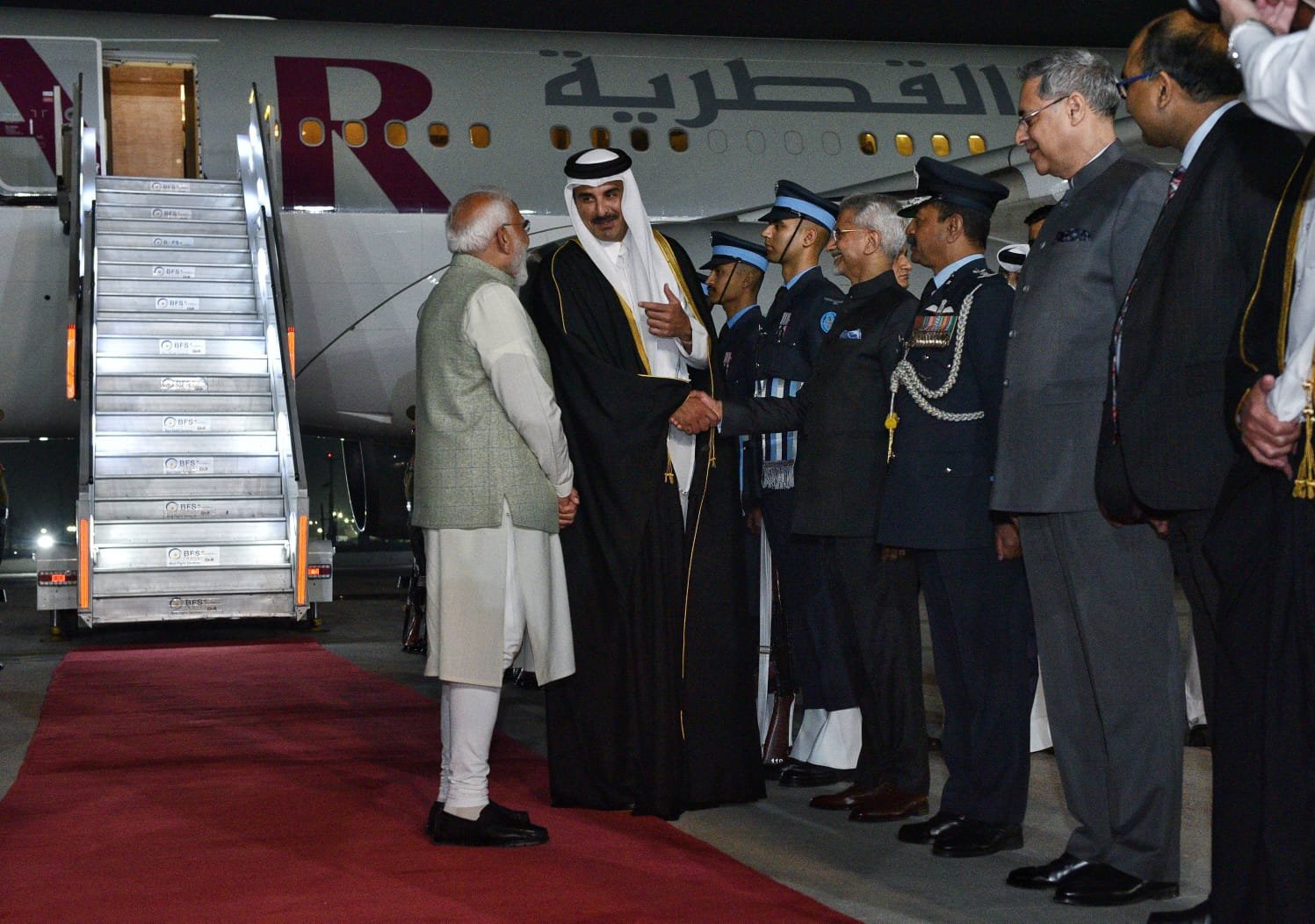
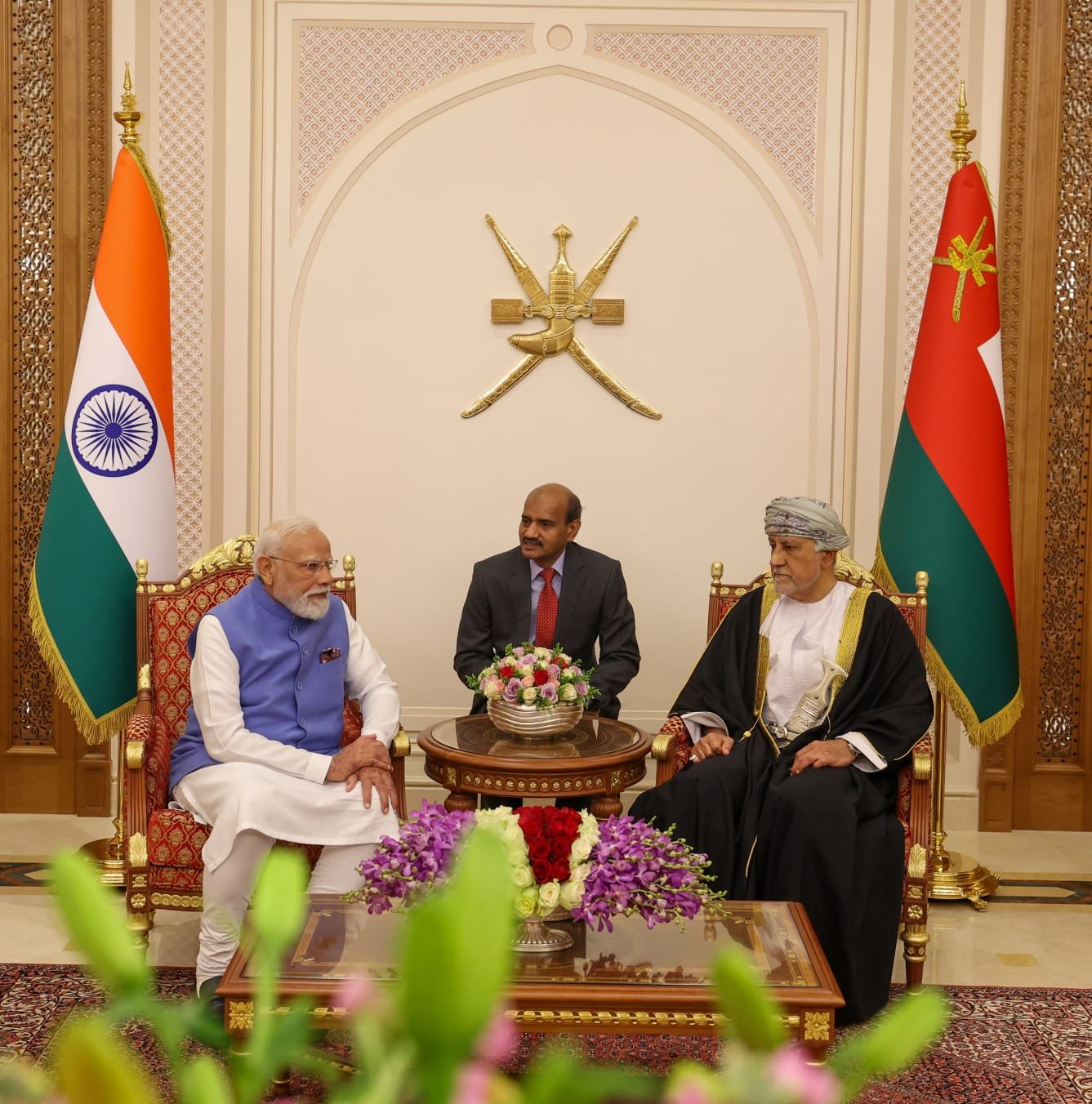
This transformation accelerated markedly after 2014. Prime Minister Narendra Modi undertook 21 visits to the region, anchoring formal strategic partnerships with the UAE, Saudi Arabia, Oman, Kuwait, Qatar, Egypt, and Israel — the most densely networked set of ties India has maintained with any single region. The September 2024 India–GCC Foreign Ministers’ Strategic Dialogue produced a Joint Action Plan (2024–2028) covering trade, energy, security, health, and transport. Modi’s April 2025 visit to Riyadh concluded agreements worth USD 100 billion spanning energy, infrastructure, and critical minerals. India is poised to launch formal Free Trade Agreement negotiations with GCC, following the signing of the Terms of Reference.
Security, Defence, and Maritime Cooperation
Defence and maritime security have become central pillars of India–GCC engagement, driven by the imperative to safeguard energy imports, protect the diaspora, secure trade routes, and counterbalance China’s expanding regional footprint.
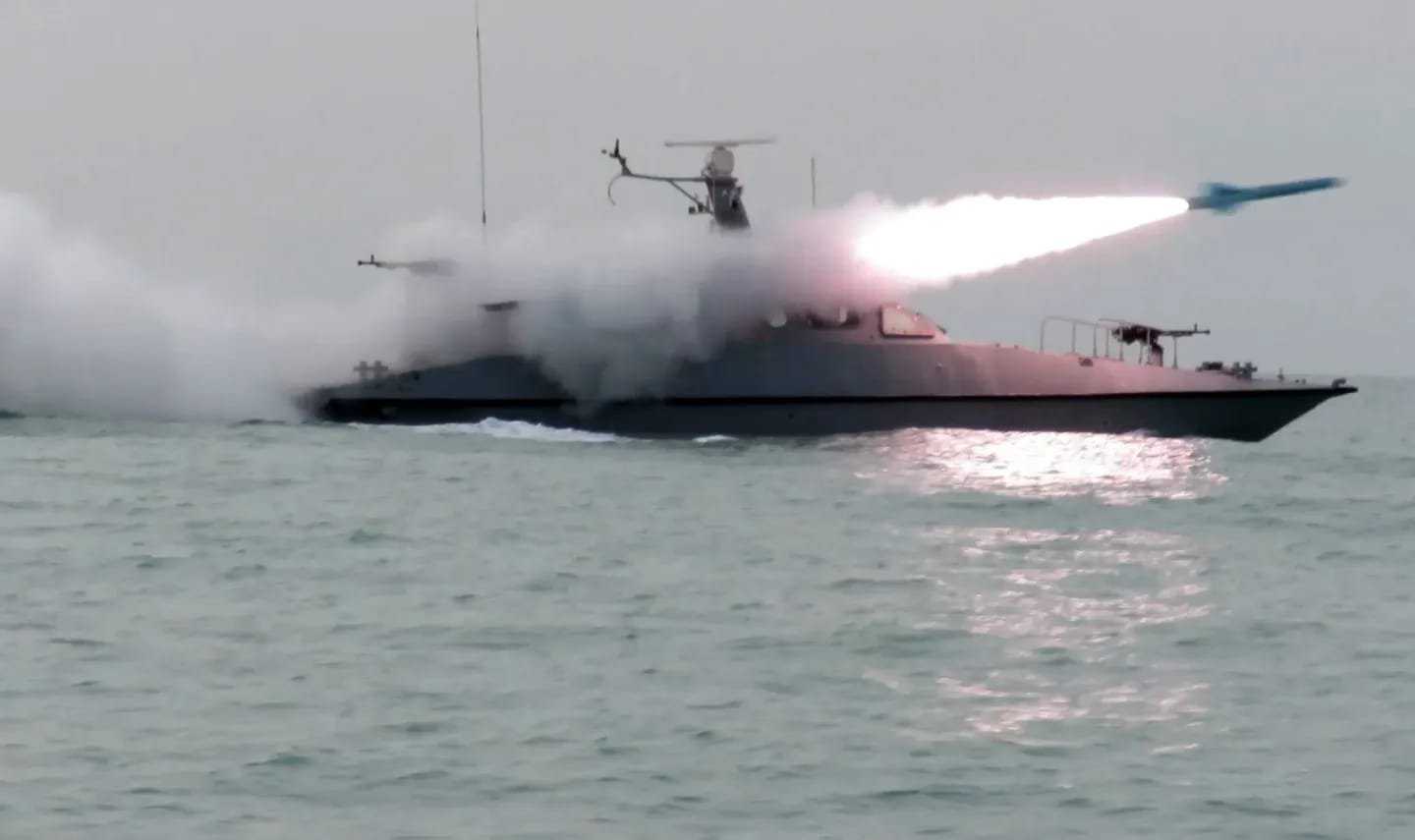
Joint exercises have proliferated: Desert Cyclone II with the UAE (December 2025), Sada Tanseeq with Saudi Arabia, and the Al Najah and Eastern Bridge exercises with Oman. India’s defence exports reached a record USD 2.8 billion in FY 2024–25 — with 40–45% directed to the Middle East — comprising UAVs, naval patrol vessels, radar systems, and ammunition, with BrahMos cruise missiles emerging as a high-value prospective export given active Gulf interest. A Letter of Intent for a Strategic Defence Partnership was signed with the UAE in January 2026.
The Strait of Hormuz carries 40–50% of India’s crude oil imports and 60% of its natural gas imports, making its security an existential economic question. India’s upgraded access to Oman’s Duqm Port, associate membership of the Combined Maritime Forces (CMF), and engagement through the Indian Ocean Naval Symposium (IONS) and Indian Ocean Rim Association (IORA) reflect an expanding operational footprint. White-shipping agreements and Maritime Domain Awareness mechanisms have deepened this dimension, though India’s influence has historically been constrained by GCC states’ reliance on US security guarantees and Pakistan’s competing military ties with several Arab capitals
Balancing Israel and Iran
No challenge has been more complex for Indian policymakers than managing deepening ties with Israel while preserving engagement with Iran — the two relationships representing structurally incompatible security architectures, held in tandem through deliberate strategic ambiguity.
India’s defence partnership with Israel — built around the Barak-8 missile system, Israeli UAVs, and intelligence cooperation — was elevated to a ‘Special Strategic Partnership for Peace, Innovation and Prosperity’ during Prime Minister Modi’s visit to Tel Aviv on February 25–26, 2026, two days before the outbreak of US-Israeli strikes on Iran.
Iran embodied a different strategic logic: access to Central Asia via Chabahar Port, integration with the International North-South Transport Corridor (INSTC), and a hedge against Pakistan’s chokehold on overland connectivity. India had signed a ten-year development agreement in May 2024 and disbursed its full USD 120 million commitment by August 2025. Yet the Trump administration’s revocation of sanctions waivers in late 2025, followed by a February 2026 executive order imposing secondary tariffs of 25% on countries doing business with Iran, left India exposed. The Union Budget 2026–27 carried no fresh Chabahar allocation — the MEA citing completed contractual obligations — but the timing was telling: with Washington’s sanctions waiver set to expire in late April 2026, India’s strategic posture appeared ambiguous at precisely the moment it could least afford ambiguity. The India–Middle East–Europe Economic Corridor (IMEC) corridor, announced during India’s G20 Presidency in September 2023 to link Indian ports through GCC territory and Israel to European markets, similarly stalled — illustrating how India’s connectivity ambitions had become entangled with the region’s most volatile fault lines.
The Tipping Point
The assassination of Iran’s Supreme Leader Ali Khamenei on February 28, 2026, coincided with coordinated US (Operation Epic Fury) and Israeli (Operation Lion’s Roar) airstrikes on Iranian nuclear and military infrastructure, marking a strategic rupture of first-order magnitude. Iran’s closure of the Strait of Hormuz triggered an acute energy crisis: Brent crude surged from USD 80 to USD 120 per barrel between March 2 and March 9; LPG shortages sparked protests across Indian cities; and QatarEnergy declared force majeure on LNG production on March 4.
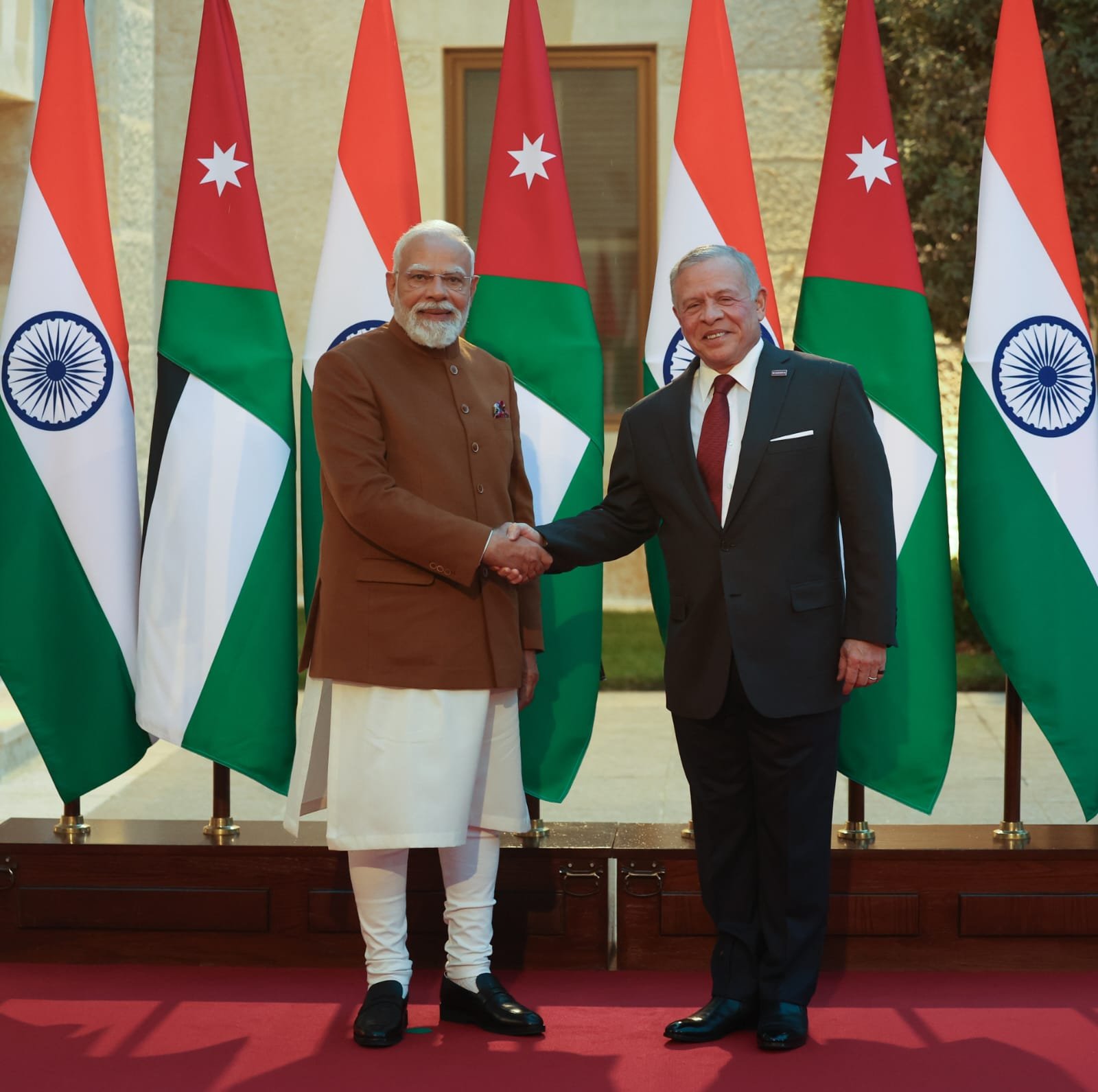
India’s diplomatic response was carefully calibrated. New Delhi condemned Iranian missile and drone strikes on GCC states and Jordan and co-sponsored the Bahrain-led UNSC Resolution 2817 on March 11 — a record 135 nations joined in condemning Iran’s attacks, with China and Russia abstaining — marking India’s most explicit alignment with the Gulf Arab bloc in any conflict scenario. India simultaneously refrained from condemning the US–Israeli campaign, a diplomatic omission that drew domestic criticism but reflected the structural reality that all of India’s formal West Asian strategic partners were disposed against Iran.
The more consequential setback came from an unexpected quarter. Pakistan — alongside Egypt and Turkey — emerged as the primary back-channel mediating troika between Iran and the United States, brokering the ceasefire announced on April 7, 2026. This role could have been India’s. The episode underscores the urgency of India positioning itself as a credible interlocutor — one capable of engaging both Gulf states and Tehran without being structurally bound to either camp.
Strategic Imperatives
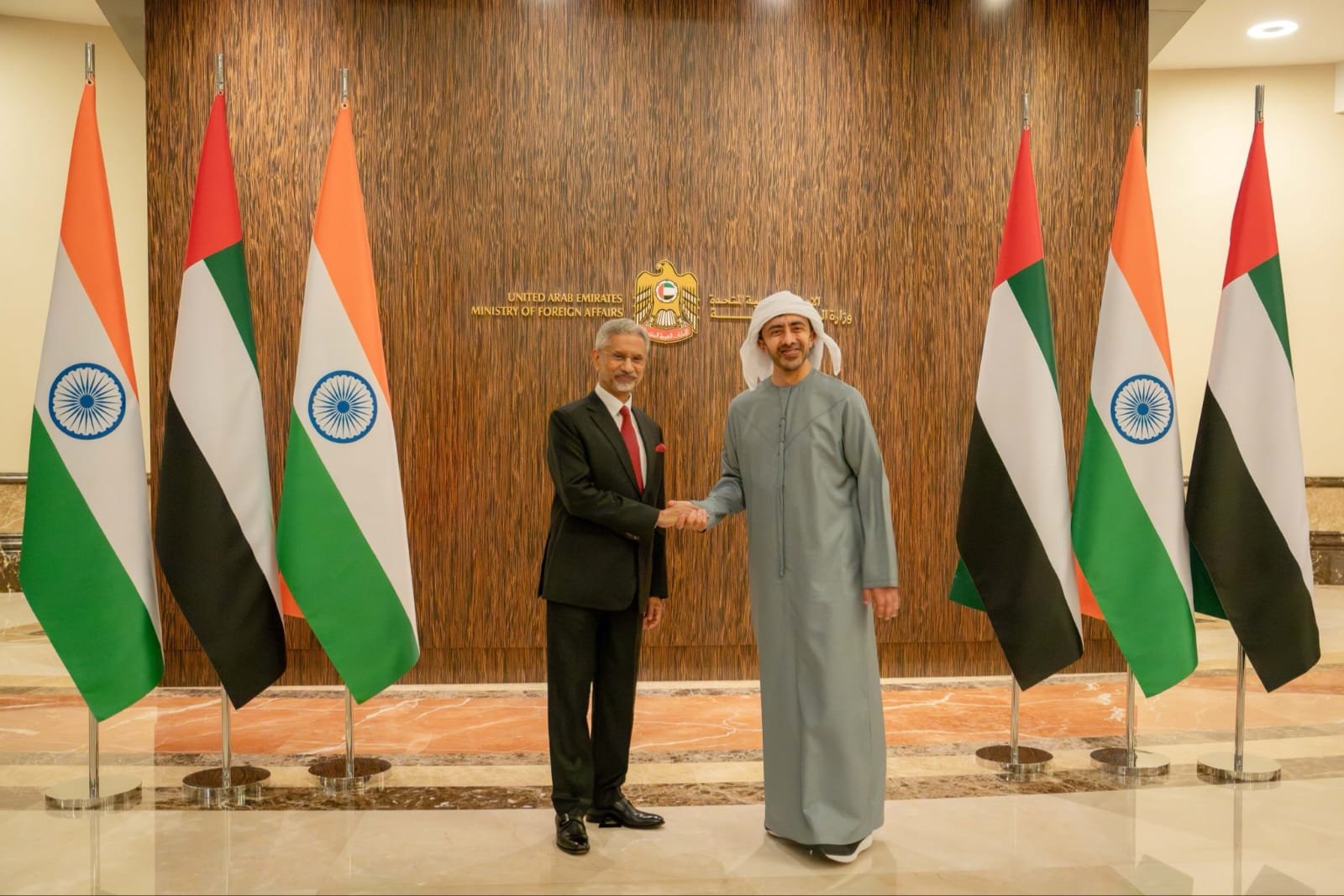
India’s recalibration must be guided by strategic realism. With all seven formal West Asian partners aligned against Iran, structural choices have become clearer, even if the language of non-alignment must publicly frame them. External Affairs Minister S. Jaishankar’s UAE visit, as his first post-war foreign trip, and Petroleum Minister Hardeep Puri’s Gulf outreach for emergency energy supplies, signal the correct prioritisation.
Four imperatives frame the path forward. First, energy security must be de-risked through diversified sourcing, strategic petroleum reserves, and green hydrogen partnerships — including jointly developed projects in Oman’s Duqm Special Economic Zone and the India–GCC FTA’s green hydrogen provisions. Second, IMEC must be revived and redesigned: its connectivity logic has survived the conflict even if its Israel component and Hormuz assumptions require renegotiation, and post-war reconstruction positions India as the natural Asian partner. Third, the maritime security architecture must be formalised through binding agreements on cybersecurity, joint patrol mechanisms for the Arabian Sea and Gulf of Aden, and enhanced interoperability. Fourth, the Chabahar legacy must be managed diplomatically: the ten-year agreement remains legally operative, and a transitional arrangement with a local Iranian entity could preserve Central Asian connectivity interests without provoking US punitive action.
India in Post-War Middle East Order
In the emerging post-war order, India is uniquely positioned — not as a military power, but as a trusted interlocutor, economic partner, and connectivity anchor. The GCC, more cohesive in confronting Iranian aggression yet internally divided on re-engaging a weakened Tehran, needs reliable partners outside the US-centric security framework. India — with deepening trade ties, an irreplaceable diaspora, and expanding defence cooperation — is structurally indispensable to this calculus.
As a democratic, non-interventionist partner with demonstrated developmental competence, India can offer what neither Washington nor Beijing can: engagement without conditionalities, reconstruction expertise without political leverage, and strategic partnership without military entanglement.
Post-war reconstruction across Gaza, Lebanon, and Iran creates demand for infrastructure, pharmaceuticals, food security, and educational capacity — all domains in which India has proven capabilities. Its soft power assets — cultural reach and deep people-to-people ties — provide durable ballast for these partnerships.
The Iran war has not destroyed India’s strategic environment in West Asia — it has clarified it. The task before Indian policymakers is not to choose sides but to lead with purpose: managing the Chabahar legacy with diplomatic deftness, redesigning IMEC for post-war geopolitics, deepening the maritime security architecture, and helping shape a Middle East order that serves Indian interests while advancing regional stability.
Select References
- South Asian Voices, “Embrace the Gulf but Engage Iran: How India Has Navigated the War,” April 11, 2026.
- India Strategic, “India Joins 135 Nations at UN to Denounce Iran’s ‘Egregious’ Attacks on Gulf Countries,” March 12, 2026.
- Foreign Policy, “New U.S. Tariffs Imperil Indian-Backed Port in Iran,” January 2026.
- RSIS, S. Rajaratnam School of International Studies, “India and the Middle East Conflict: Options and Responses,” March 2026.
- PRS India, “India and the Gulf Cooperation Council — Committee Reports,” April 2026.
- Security and Counter Radicalisation Review, “Counter Terrorism and Maritime Cooperation between India and GCC,” 2025.
- Journal of Research on Trade, Development and Development (JRTDD), “Indian Engagement in the Middle East: A Strategic Analysis.”
- Ministry of External Affairs, Government of India, India-GCC Joint Action Plan 2024–2028, September 2024.
- Ministry of Commerce and Industry, Government of India, India-GCC FTA Terms of Reference, February 5, 2026.
- Union Budget 2026–27, Ministry of Finance, Government of India (for Chabahar allocation).
(This Article has been published in the India and the World Magazine)




Recalibrating India–GCC Relations in the wake of Gulf War
India’s relationship with the six-nation Gulf Cooperation Council (GCC) — comprising Saudi Arabia, the UAE, Kuwait, Qatar, Bahrain, and Oman — has undergone a fundamental transformation over the past three decades. What began as a transactional engagement driven by oil imports and diaspora remittances has evolved into a multidimensional strategic architecture spanning energy, trade, investment, defence, and connectivity. The GCC states are home to nearly 10 million Indians, and bilateral trade stood at approximately USD 178.56 billion in FY 2024–25, with projections pointing to USD 195 billion in FY 2025–26.
This transformation accelerated markedly after 2014. Prime Minister Narendra Modi undertook 21 visits to the region, anchoring formal strategic partnerships with the UAE, Saudi Arabia, Oman, Kuwait, Qatar, Egypt, and Israel — the most densely networked set of ties India has maintained with any single region. The September 2024 India–GCC Foreign Ministers’ Strategic Dialogue produced a Joint Action Plan (2024–2028) covering trade, energy, security, health, and transport. Modi’s April 2025 visit to Riyadh concluded agreements worth USD 100 billion spanning energy, infrastructure, and critical minerals. India is poised to launch formal Free Trade Agreement negotiations with GCC, following the signing of the Terms of Reference.
Security, Defence, and Maritime Cooperation
Defence and maritime security have become central pillars of India–GCC engagement, driven by the imperative to safeguard energy imports, protect the diaspora, secure trade routes, and counterbalance China’s expanding regional footprint.
Joint exercises have proliferated: Desert Cyclone II with the UAE (December 2025), Sada Tanseeq with Saudi Arabia, and the Al Najah and Eastern Bridge exercises with Oman. India’s defence exports reached a record USD 2.8 billion in FY 2024–25 — with 40–45% directed to the Middle East — comprising UAVs, naval patrol vessels, radar systems, and ammunition, with BrahMos cruise missiles emerging as a high-value prospective export given active Gulf interest. A Letter of Intent for a Strategic Defence Partnership was signed with the UAE in January 2026.
The Strait of Hormuz carries 40–50% of India’s crude oil imports and 60% of its natural gas imports, making its security an existential economic question. India’s upgraded access to Oman’s Duqm Port, associate membership of the Combined Maritime Forces (CMF), and engagement through the Indian Ocean Naval Symposium (IONS) and Indian Ocean Rim Association (IORA) reflect an expanding operational footprint. White-shipping agreements and Maritime Domain Awareness mechanisms have deepened this dimension, though India’s influence has historically been constrained by GCC states’ reliance on US security guarantees and Pakistan’s competing military ties with several Arab capitals
Balancing Israel and Iran
India’s defence partnership with Israel — built around the Barak-8 missile system, Israeli UAVs, and intelligence cooperation — was elevated to a ‘Special Strategic Partnership for Peace, Innovation and Prosperity’ during Prime Minister Modi’s visit to Tel Aviv on February 25–26, 2026, two days before the outbreak of US-Israeli strikes on Iran.
Iran embodied a different strategic logic: access to Central Asia via Chabahar Port, integration with the International North-South Transport Corridor (INSTC), and a hedge against Pakistan’s chokehold on overland connectivity. India had signed a ten-year development agreement in May 2024 and disbursed its full USD 120 million commitment by August 2025. Yet the Trump administration’s revocation of sanctions waivers in late 2025, followed by a February 2026 executive order imposing secondary tariffs of 25% on countries doing business with Iran, left India exposed. The Union Budget 2026–27 carried no fresh Chabahar allocation — the MEA citing completed contractual obligations — but the timing was telling: with Washington’s sanctions waiver set to expire in late April 2026, India’s strategic posture appeared ambiguous at precisely the moment it could least afford ambiguity. The India–Middle East–Europe Economic Corridor (IMEC) corridor, announced during India’s G20 Presidency in September 2023 to link Indian ports through GCC territory and Israel to European markets, similarly stalled — illustrating how India’s connectivity ambitions had become entangled with the region’s most volatile fault lines.
The Tipping Point
The assassination of Iran’s Supreme Leader Ali Khamenei on February 28, 2026, coincided with coordinated US (Operation Epic Fury) and Israeli (Operation Lion’s Roar) airstrikes on Iranian nuclear and military infrastructure, marking a strategic rupture of first-order magnitude. Iran’s closure of the Strait of Hormuz triggered an acute energy crisis: Brent crude surged from USD 80 to USD 120 per barrel between March 2 and March 9; LPG shortages sparked protests across Indian cities; and QatarEnergy declared force majeure on LNG production on March 4.
India’s diplomatic response was carefully calibrated. New Delhi condemned Iranian missile and drone strikes on GCC states and Jordan and co-sponsored the Bahrain-led UNSC Resolution 2817 on March 11 — a record 135 nations joined in condemning Iran’s attacks, with China and Russia abstaining — marking India’s most explicit alignment with the Gulf Arab bloc in any conflict scenario. India simultaneously refrained from condemning the US–Israeli campaign, a diplomatic omission that drew domestic criticism but reflected the structural reality that all of India’s formal West Asian strategic partners were disposed against Iran.
The more consequential setback came from an unexpected quarter. Pakistan — alongside Egypt and Turkey — emerged as the primary back-channel mediating troika between Iran and the United States, brokering the ceasefire announced on April 7, 2026. This role could have been India’s. The episode underscores the urgency of India positioning itself as a credible interlocutor — one capable of engaging both Gulf states and Tehran without being structurally bound to either camp.
Strategic Imperatives
India’s recalibration must be guided by strategic realism. With all seven formal West Asian partners aligned against Iran, structural choices have become clearer, even if the language of non-alignment must publicly frame them. External Affairs Minister S. Jaishankar’s UAE visit, as his first post-war foreign trip, and Petroleum Minister Hardeep Puri’s Gulf outreach for emergency energy supplies, signal the correct prioritisation.
Four imperatives frame the path forward. First, energy security must be de-risked through diversified sourcing, strategic petroleum reserves, and green hydrogen partnerships — including jointly developed projects in Oman’s Duqm Special Economic Zone and the India–GCC FTA’s green hydrogen provisions. Second, IMEC must be revived and redesigned: its connectivity logic has survived the conflict even if its Israel component and Hormuz assumptions require renegotiation, and post-war reconstruction positions India as the natural Asian partner. Third, the maritime security architecture must be formalised through binding agreements on cybersecurity, joint patrol mechanisms for the Arabian Sea and Gulf of Aden, and enhanced interoperability. Fourth, the Chabahar legacy must be managed diplomatically: the ten-year agreement remains legally operative, and a transitional arrangement with a local Iranian entity could preserve Central Asian connectivity interests without provoking US punitive action.
India in Post-War Middle East Order
In the emerging post-war order, India is uniquely positioned — not as a military power, but as a trusted interlocutor, economic partner, and connectivity anchor. The GCC, more cohesive in confronting Iranian aggression yet internally divided on re-engaging a weakened Tehran, needs reliable partners outside the US-centric security framework. India — with deepening trade ties, an irreplaceable diaspora, and expanding defence cooperation — is structurally indispensable to this calculus.
Post-war reconstruction across Gaza, Lebanon, and Iran creates demand for infrastructure, pharmaceuticals, food security, and educational capacity — all domains in which India has proven capabilities. Its soft power assets — cultural reach and deep people-to-people ties — provide durable ballast for these partnerships.
The Iran war has not destroyed India’s strategic environment in West Asia — it has clarified it. The task before Indian policymakers is not to choose sides but to lead with purpose: managing the Chabahar legacy with diplomatic deftness, redesigning IMEC for post-war geopolitics, deepening the maritime security architecture, and helping shape a Middle East order that serves Indian interests while advancing regional stability.
Select References
(This Article has been published in the India and the World Magazine)
Ausaf Sayeed
Related Posts
BRICS: Building a Vibrant Community of People
From Voice to Impact: BRICS and Push for Global Governance Reform
Enhancing Indo-Pacific Diplomacy for India’s Rise
Diplomatic win for India: BRICS bridges Gulf divide, bats for Global South
Illuminating India’s BRICS moment
With Trump listening in, Iran urges PM Modi to end war with US
Latest Events
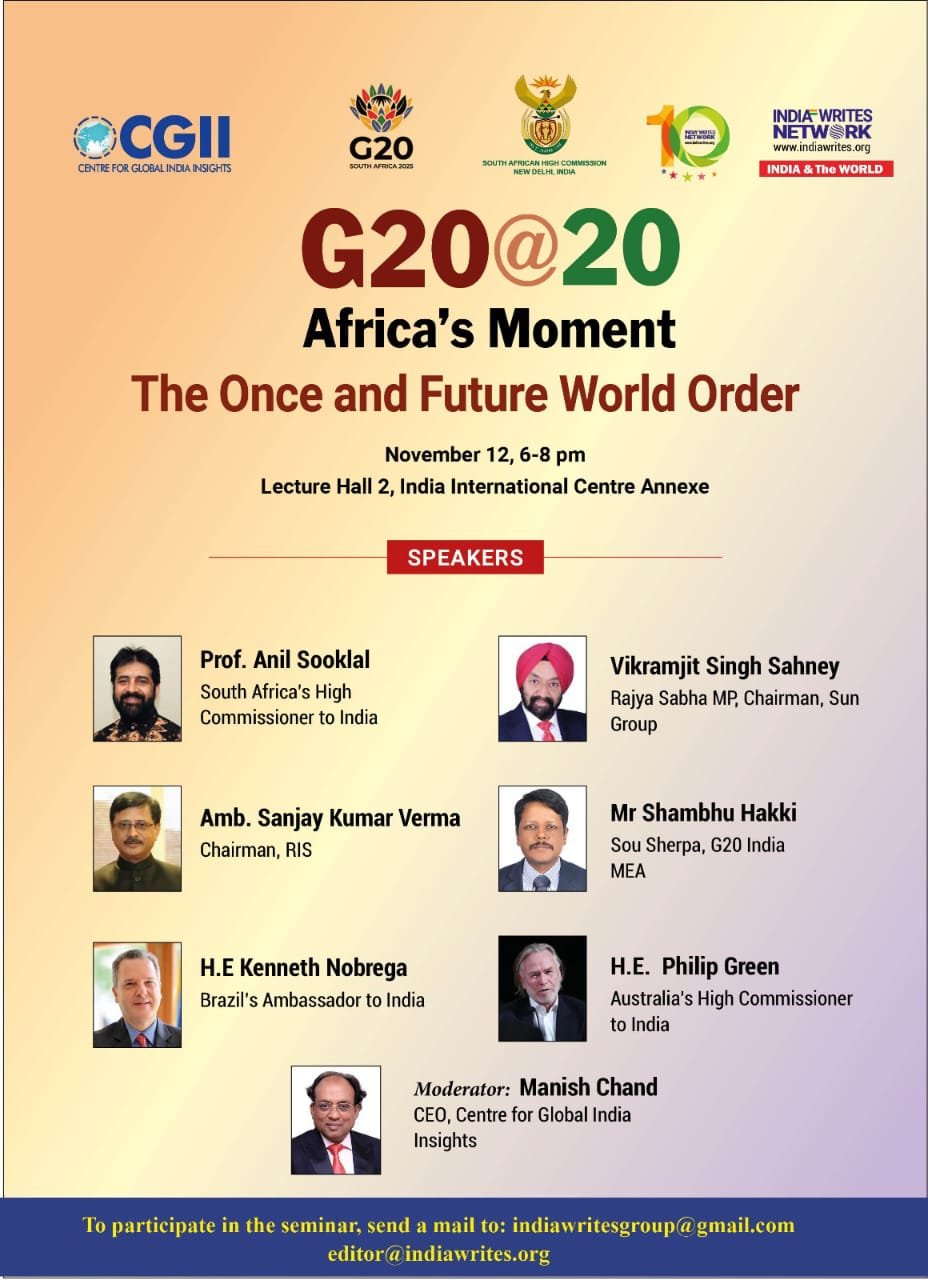
G20@20: Africa’s Moment – The Once and Future World Order
Speakers
Professor Anil Sooklal
Kenneth da Nobrega
Manish Chand
Ambassador Philip Green
Sanjay Kumar Verma
Shambhu Hakki
Vikramjit Singh Sahney
MPs, diplomats laud Operation Sindoor, call for national unity to combat Pakistan-sponsored terror
Speakers
Aparajita Sarangi
Brij Lal
Dr Amar Patnaik
Manish Chand
Priyanka Chaturvedi
Sujan Chinoy
Yashvardhan Kumar Sinha
BRICS summit in Rio to focus on Global South, local currency trade
Speakers
Dammu Ravi
Denis Alipov
Ina Hagniningtyas Krisnamurthi
Jyoti Vij
Kamel Zayed Kamel Galal
Kenneth da Nobrega
Manish Chand
Book
India’s G20 Legacy: Shaping a New World Order
Editor: Manish Chand
Pages: 206
Publisher: Pentagon Press LLP
Cover Price: INR 995
In Conversation
Sanctions create new opportunities, invest in Tatarstan: Taliya Minullina
In The Press
Can BRICS help reshape global order by strengthening emerging economies?
Rescuing G20 from North-South divide: Ubuntu Moment
The Sunday Guardian: India calls for strengthened BRICS cooperation
Daily Excelsior: Ahead BRICS summit in Rio, envoys call for greater focus on combating terrorism
Latest From CGII
BRICS: Building a Vibrant Community of People
From Voice to Impact: BRICS and Push for Global Governance Reform
India-US trade deal soon, says Rubio
Enhancing Indo-Pacific Diplomacy for India’s Rise
Diplomatic win for India: BRICS bridges Gulf divide, bats for Global South
Illuminating India’s BRICS moment
The Journal
Special Edition on India’s Indo-Pacific plus Diplomacy
India’s G20 Journey – Scaling A New Summit