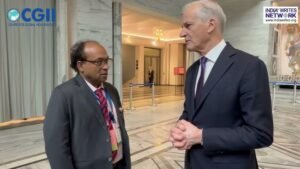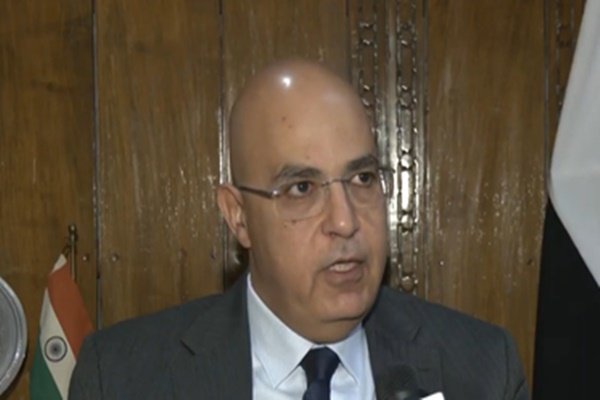


(Excerpts from the interview)
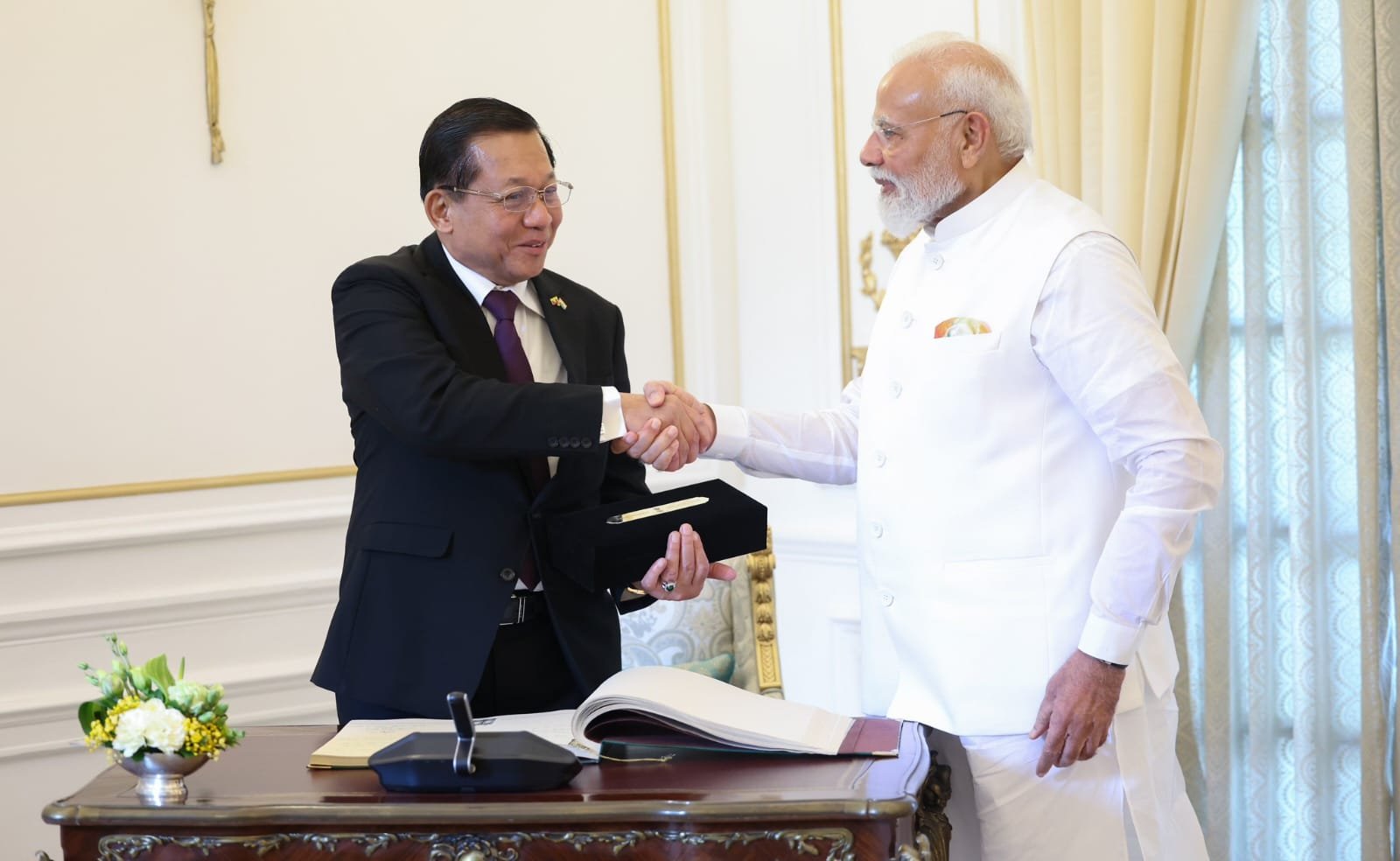
Q: What was the major takeaway from Myanmar President’s recent visit to India?
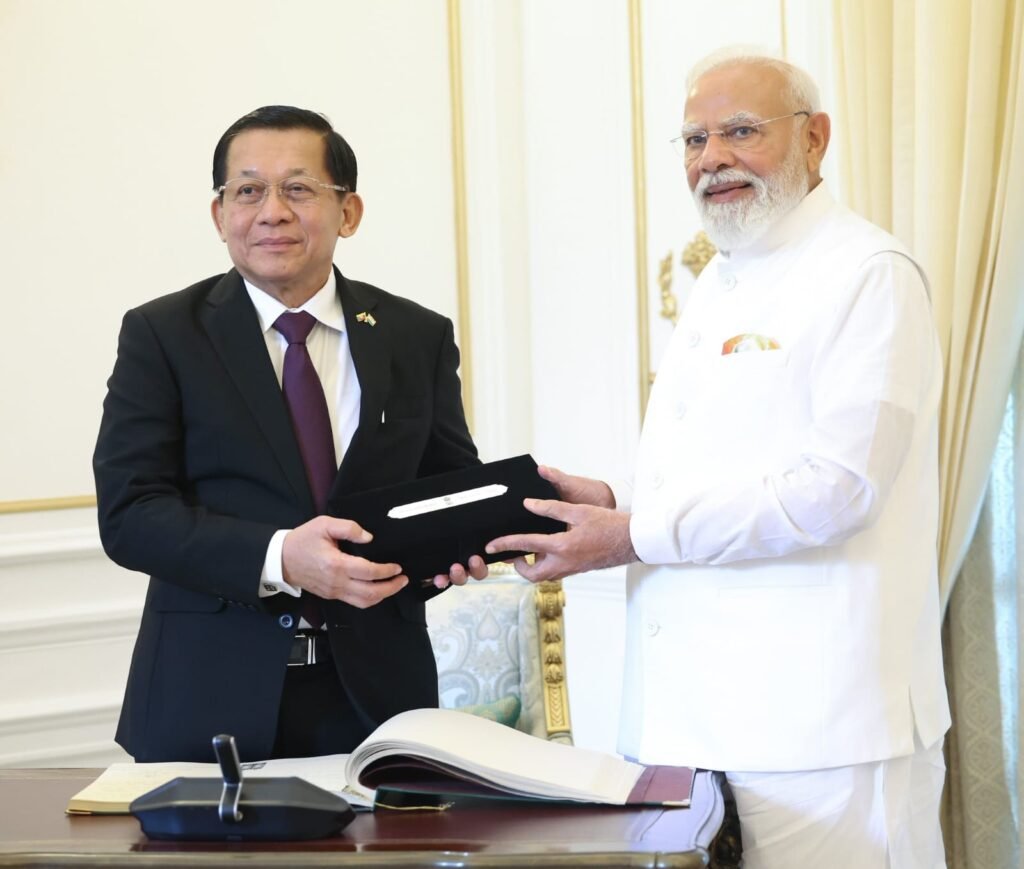
A: The primary guiding philosophy here was that at the highest political level there was no formal contact bilaterally. The last time the President of Myanmar came to India was in 2020. The fact that the two neighbours were meeting for the first time since then was important. Normally this was supposed to be a multilateral visit, but they managed to convert it into a bilateral visit. And yet it was not a totally full-scale bilateral visit. There was a short joint statement, there was no announcement of outcomes, and there was no announcement of any MoUs being signed.
But it was more a meeting of minds on how we can deepen and expand the relationship. And that aim was achieved. That is how I would put it.
Q: What about the reaction of Western governments to the visit. Many critics question the legitimacy of the election, Some Western governments have been extremely critical. What kind of message does India send by hosting the president of Myanmar?
A: No, New Delhi does not subscribe to this kind of absurd view.
There is no question of legitimacy or recognition or any such thing. India has been dealing with every government that is in power over many decades. I don’t know why it would attract adverse notice.
This is a completely unrealistic Western assumption. We deal with the military government; so that is not an issue at all.
And besides, we know this gentleman well. We knew him in his earlier incarnation as the Commander-in-Chief. We now know him as the President.
India has only tried to protect its interests. By dealing with him, I think nobody can seriously object to that.
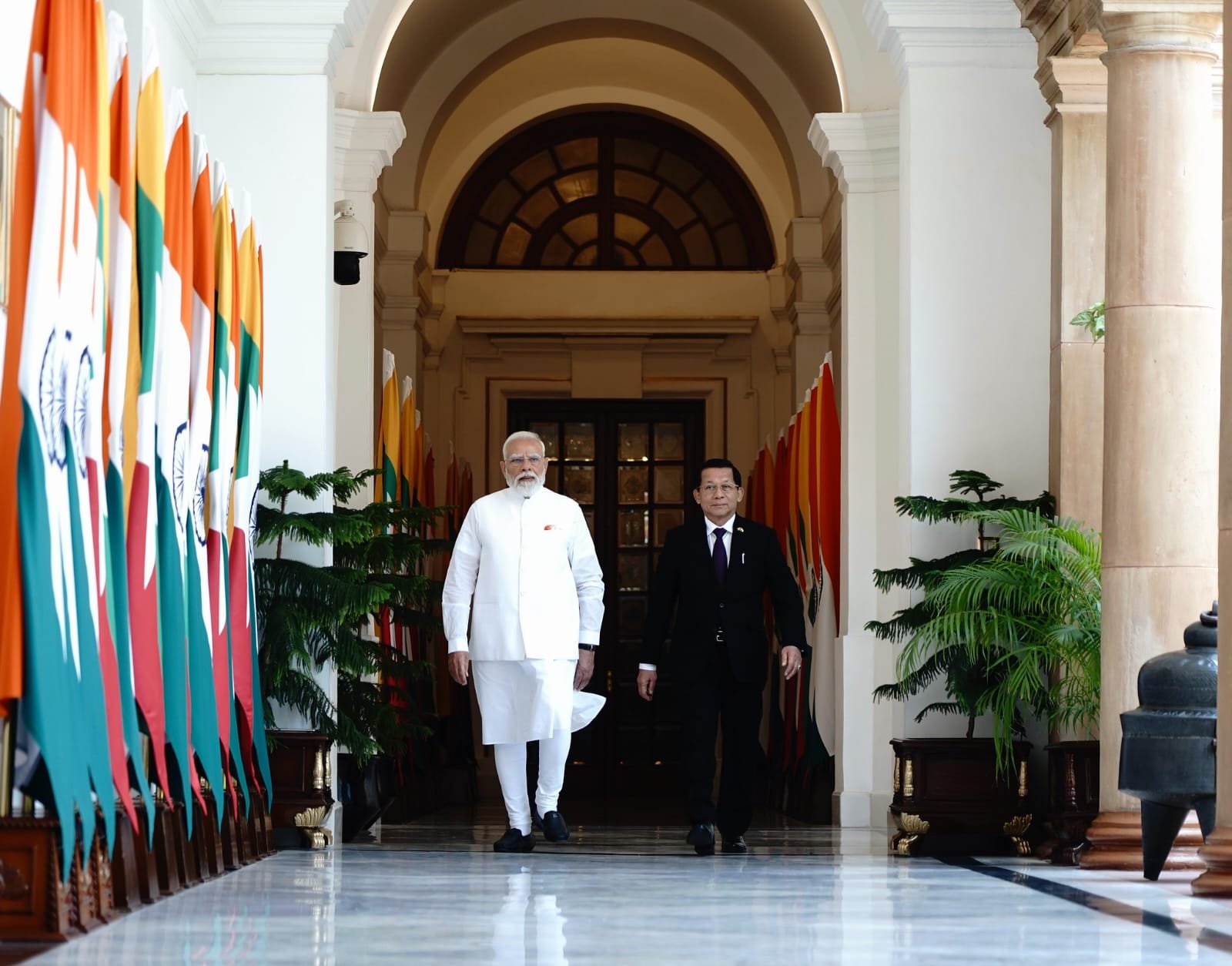
Q: Importantly, no agreements were signed. But there was a lot that was discussed, including connectivity and energy. So, this was a large canvas — full spectrum, in a way. According to you, apart from hosting him and this being the first highest-level visit in many years, what was the major takeaway for us?
A: I think there are two visible takeaways.
One is that there is a shared understanding and commitment that the relationship has to be taken to the next level.
The main areas have to be economic cooperation, energy cooperation and technology cooperation. If things go normally, that some agreements may emerge later. They would emerge from this process.
Q: What do you have in mind?
A: He visited the clean energy centre in Noida. He made a very strong case for more trade. He probably wants greater financial cooperation. This is what came out in the business forum in Delhi and the business forum in Mumbai.
These are some areas where we have got time to work because the dialogue and political momentum have picked up. In the coming months, you may see India’s Foreign Minister perhaps paying a visit to Myanmar to carry forward the process.
Q: So, we are on the right track in a way — pragmatic?
A: We are on the right track.
At the same time, I think we should not ignore the fact that things are not normal in Myanmar. There is another side. They have their own view.
It is important for New Delhi to understand their perspective as well. It is important for New Delhi to also have conversations with that other side.
Our media and strategic community can play a role in pointing out that it is not a simple situation. It is a complex situation in Myanmar.
Q: What role can we play? In the talks, India advocated an inclusive peace process and an inclusive political settlement. Can we possibly play any role? Were we asked to play any role? Do we have any leverage there?
A: There is no appetite, in my view, in India for any kind of mediatory role.
India is not going to be a mediator between the government and the resistance.
But India will make the same plea that it made to the General or the President. It will make the same plea to the opposition as well.
The plea is very simple: no outsider has a formula to resolve your problems. The solution has to come from the leaders of Myanmar themselves.
Q: How do you look at the current President’s equations with China?
A: My assessment is that China began to score new gains during the five years of Aung San Suu Kyi’s government, from 2016 to 2021. And from 2021 onwards, China has further expanded its footprint in Myanmar. It is playing a triple role. It supports certain ethnic organisations, it supports the military government, and it also acts as a mediator between the two.
But the very fact that Min Aung Hlaing chose to come to Delhi shows, in my view, that he wants some flexibility. He wants some freedom of choice. And he wants other friends as well.
That is a good thing. We must say that he is following his own version of multi-alignment and strategic autonomy, so to speak.