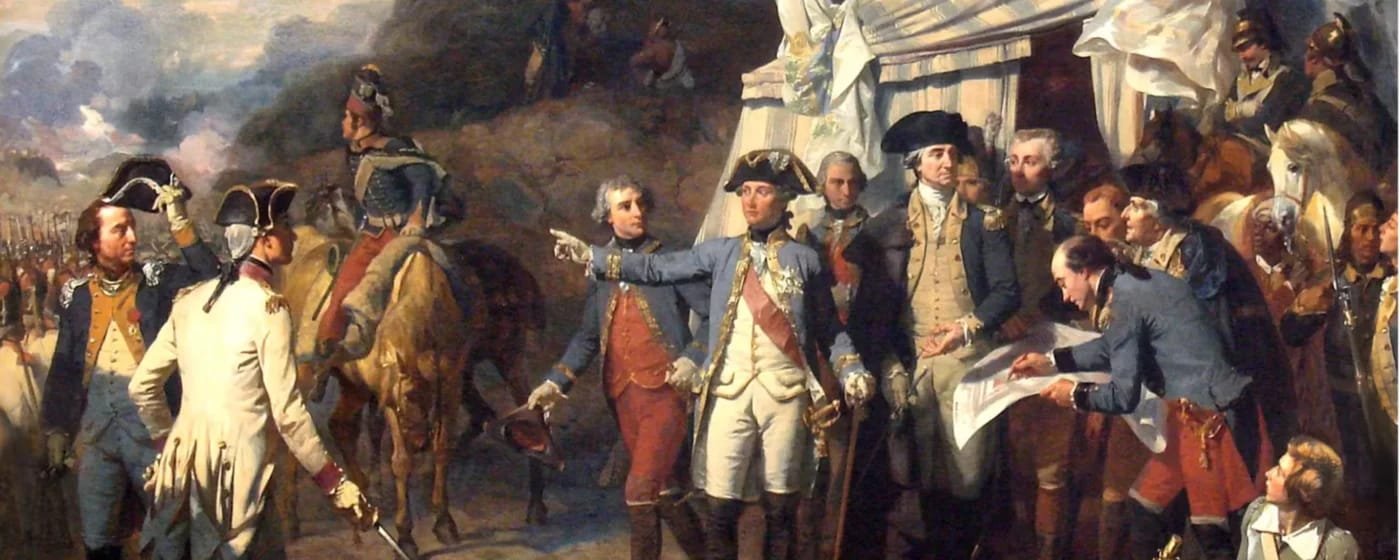
Taking a historical overview, the friendship between some of the European nations and India has been burdened by the baggage of colonialism. After all, the former colonial powers reside in Europe. For hundreds of years, India was colonised by the Dutch, French, Portuguese and British. They brought their language, education, governance system, legal procedures and exploited the natural resources. There is evidence that the colonial era “underdeveloped” India. It brought wealth to the colonial powers. And only to some happy few of the colonised.
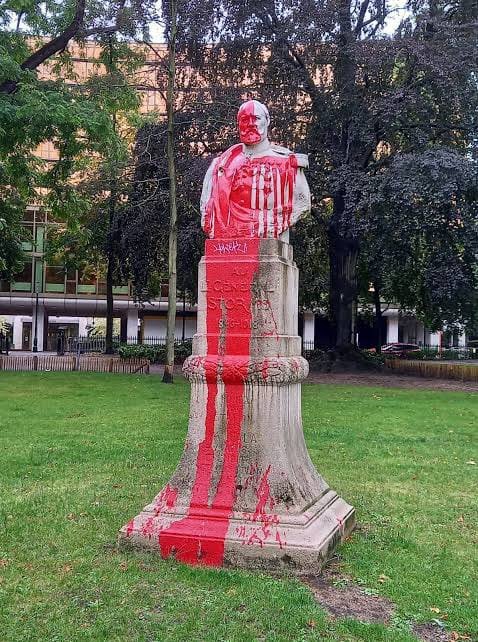
Sure, there was opposition to the colonial masters. The opposition resulted in a wave of decolonisation in the aftermath of WWII. Nkrumah, Nyerere and Gandhi were some of the leaders. But there were many freedom fighters who took courageous positions. Some of them paid with their lives. Some are remembered, some forgotten. The stories live on in the families that fought for a cause and suffered losses. Independence came with surging hopes and aspirations. The relationship with the former colonisers required a new definition. A shared definition, one would hope.
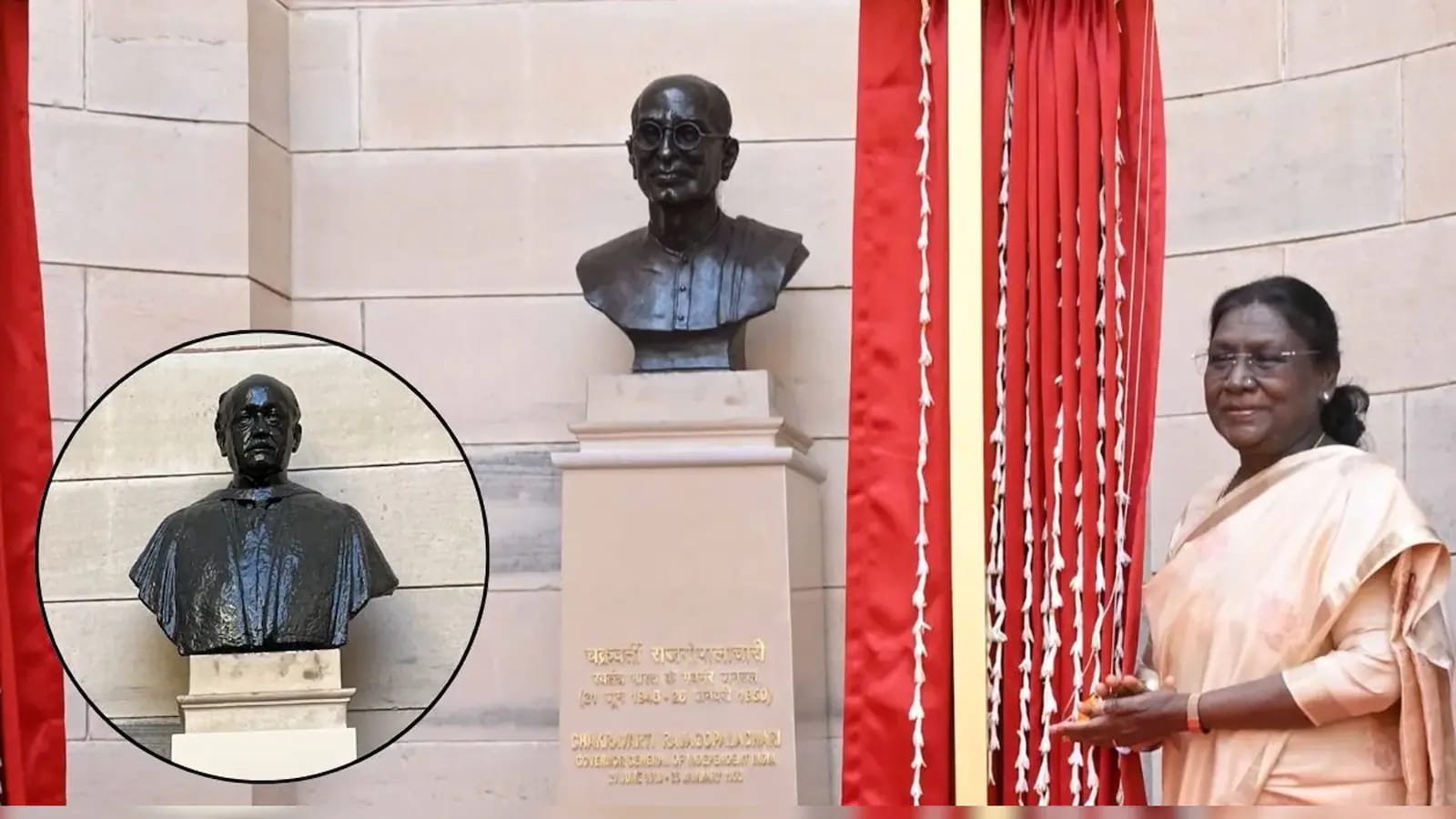
But today that shared definition may very well be absent. Because how the former colonisers look at decolonisation and postcolonial relationships may differ fundamentally from the way that the former colonised perceive it.
Decolonisation is at least part of the contemporary political and sociocultural conversation in India. It is on the agenda. The European agenda on this topic could not be more diametrically opposed to the Indian debate.
There may be a trade agreement between the two. But the conversation about decolonisation is like a talk between two deaf people. There are two totally different visions.
Decolonisation in India is unfinished business. It is an ongoing process. Decolonisation is what dominates the agenda when it comes to foreign policy. It is on the agenda when it comes to identity building. It is in the choice of clothes. It is in food. In language and performing arts. Decolonisation is about defining India’s position in the world. Not just the outside world, but also the domestic world. It is about the very definition of “Indian,” in both cultural and in historic terms. This search for identity is a survival mechanism because, as some Indians told me, the “colonisers tried to destroy our culture”. That destruction requires rehabilitation and reconstruction. It’s a long-term process.
In Europe, decolonisation is done. Since the liberation of former colonies, Europeans have invested in what they call development cooperation. It is an industry that has been evaluated, criticised, adapted, professionalized and reinvented again and again. Today, it is unrecognizable from its original format. More and more, it is about `what is in it for us?`. The “us” being the Europeans. And with those changes in the relationship between the former colonies and the colonisers, Europeans are convinced that decolonisation is over and done. They withdrew, offered independence and assisted in the development process. Today the relations between India and the colonisers are on an equal footing. Decolonisation is a passed station.
Psychological Impact
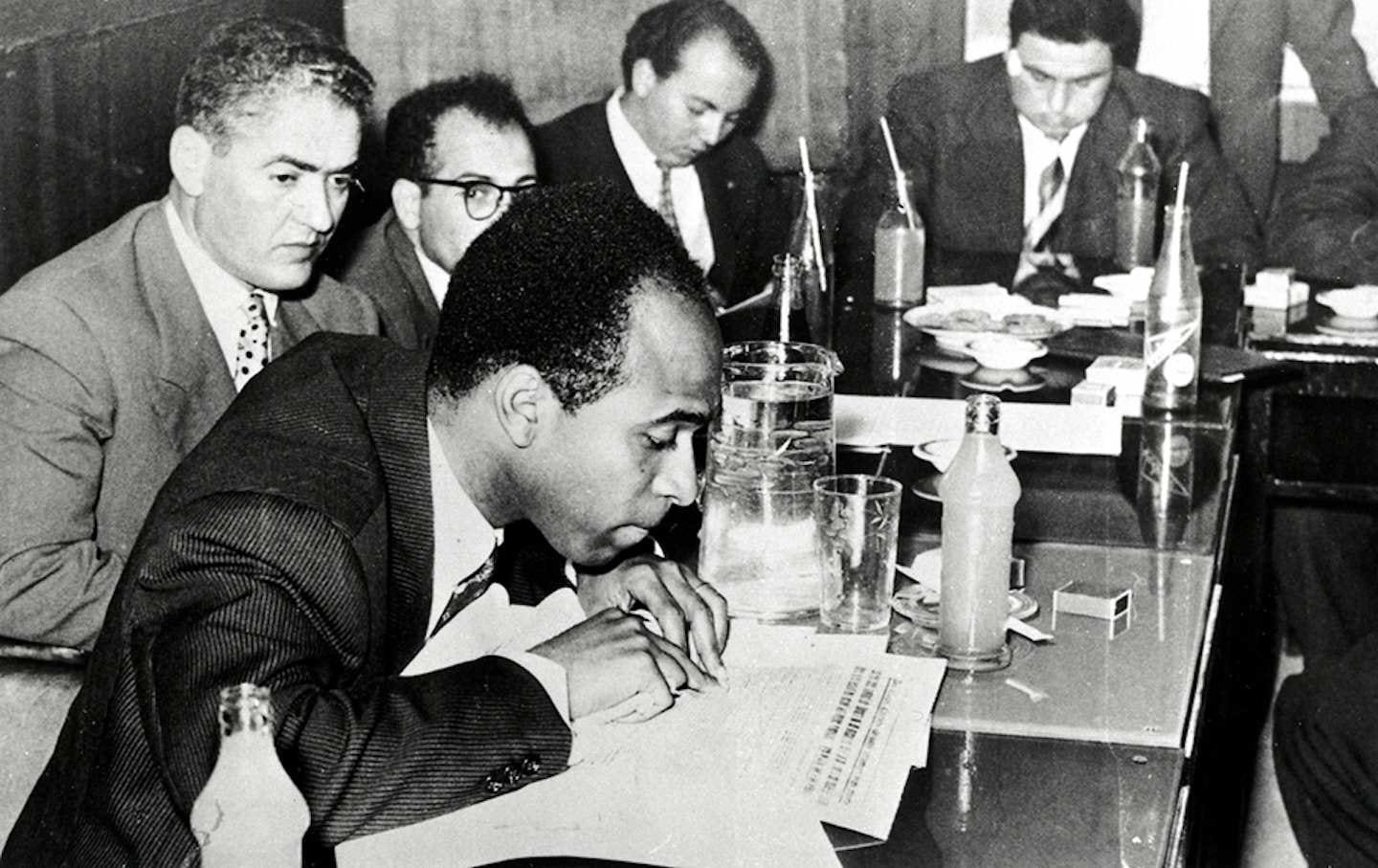
What Europeans largely fail to see is the impact of colonisation on the mindset of the colonised. This failure is what prevents many Europeans from understanding long-term effects. To fully understand this, we need to consult Frantz Fanon[1]. He explored and analysed the collective psychological trauma of colonization. He uncovers the fact that colonialism has created a “neurosis” by establishing whiteness as a standard. This standard of superiority forces the colonized individuals to internalize inferiority. It is painful to fully realise the extent of the damage done by colonisation to the collective conscience of people in the former colonies. The granted independence nor the age of development cooperation could fix this trauma. Some of the ODA[2] may even have reinforced the trauma. The former colonies needed assistance to develop. The hidden message was obvious: “you are underdeveloped and you need us, the West, to become developed.”
If Fanon is correct, then decolonisation is the process of healing. Healing the collective and individual trauma. It implies a renewed struggle for physiological independence. A rebellion. A rebellion that is almost necessarily misunderstood in the West.
Its phenotype is a rebellion against the obsession with fair skin. A rebellion against the influence of Western civil society. A rebellion against Western clothes and values. A rebellion against the English language. Not because people do not admire fair skin, Western culture or values, but because they admire these things too much. Almost obsessively. They admire them to a level that they intrinsically deny the merit of their own unique values, culture and history.
And “the West” is puzzled. Puzzled by the mixed signals of admiration and rebellion. Puzzled by the realisation that decolonisation is not a thing of the past. Puzzled by the almost aggressive push for Indian approaches and policies, the fencing off of Indian space. Puzzled by the protective tone of voice with which India has found its own standards and narratives. And over time, the confusion about the puzzles in the West is slowly but surely turning into resistance. The rebellion and self-confidence building within the circles of the formerly colonised is interpreted as arrogance. Potential ingredients of many miscommunications and misunderstandings.
But there is more. Because the globalisation that started with the so called “voyages of discovery” by famous figures like Columbus that resulted in colonisation and massacres across continents, has taken a sharp turn in the current century. The slow mobility of boats and sailing vessels has been replaced by cars and planes. Big parts of the population in former colonies are on the move. Some escape conflict, some escape hunger, some want to discover the world, some escape joblessness. Some just want to have fun and study and widen their horizon. And some simply want to join those people that they have always admired. Fully consistent with Frantz Fanon.
And some of the Europeans feel overwhelmed. Some fear that there are more people in the world than the European economic and physical space can accommodate. Some fear that the influx of foreigners may come with unforeseen influences. There are question marks. There are politicians that express these question marks. Some more aggressive than others. There is even a tendency to talk in terms of “us” and “them.” Terminology and framing that may prove to be a recipe for trouble.
It is confrontational, to say the least. It seems contradictory and inconsistent. Those who started globalisation are now nervous about its logical proceedings. There is nervousness about a phenomenon that the West has started. And it may mean trouble – trouble that can only be avoided if we collectively face history and the need for decolonisation and healing on both sides of the equation. We all need to get to grips with our history. Going peacefully into the future is, as always, a process that involves reconciling with the past. It’s necessarily a collective and inclusive process. It requires wisdom and empathy. It requires a conversation. It requires understanding both parties and their perspectives. It requires more than a trade agreement. Even though the trade agreement is a sound starting point. But more is needed.
[1] Black Skin, White Masks (1952): Explores the psychological trauma of colonization. Fanon argued that colonialism creates a “neurosis” by establishing whiteness as a standard of superiority and humanity, forcing colonized individuals to internalize inferiority and adopt a “white mask” to achieve social acceptance
[2] ODA is Official Development Assistance as defined by the OESO.




India-Europe Connect: Decolonisation and Healing
Taking a historical overview, the friendship between some of the European nations and India has been burdened by the baggage of colonialism. After all, the former colonial powers reside in Europe. For hundreds of years, India was colonised by the Dutch, French, Portuguese and British. They brought their language, education, governance system, legal procedures and exploited the natural resources. There is evidence that the colonial era “underdeveloped” India. It brought wealth to the colonial powers. And only to some happy few of the colonised.
Sure, there was opposition to the colonial masters. The opposition resulted in a wave of decolonisation in the aftermath of WWII. Nkrumah, Nyerere and Gandhi were some of the leaders. But there were many freedom fighters who took courageous positions. Some of them paid with their lives. Some are remembered, some forgotten. The stories live on in the families that fought for a cause and suffered losses. Independence came with surging hopes and aspirations. The relationship with the former colonisers required a new definition. A shared definition, one would hope.
But today that shared definition may very well be absent. Because how the former colonisers look at decolonisation and postcolonial relationships may differ fundamentally from the way that the former colonised perceive it.
There may be a trade agreement between the two. But the conversation about decolonisation is like a talk between two deaf people. There are two totally different visions.
Decolonisation in India is unfinished business. It is an ongoing process. Decolonisation is what dominates the agenda when it comes to foreign policy. It is on the agenda when it comes to identity building. It is in the choice of clothes. It is in food. In language and performing arts. Decolonisation is about defining India’s position in the world. Not just the outside world, but also the domestic world. It is about the very definition of “Indian,” in both cultural and in historic terms. This search for identity is a survival mechanism because, as some Indians told me, the “colonisers tried to destroy our culture”. That destruction requires rehabilitation and reconstruction. It’s a long-term process.
In Europe, decolonisation is done. Since the liberation of former colonies, Europeans have invested in what they call development cooperation. It is an industry that has been evaluated, criticised, adapted, professionalized and reinvented again and again. Today, it is unrecognizable from its original format. More and more, it is about `what is in it for us?`. The “us” being the Europeans. And with those changes in the relationship between the former colonies and the colonisers, Europeans are convinced that decolonisation is over and done. They withdrew, offered independence and assisted in the development process. Today the relations between India and the colonisers are on an equal footing. Decolonisation is a passed station.
Psychological Impact
What Europeans largely fail to see is the impact of colonisation on the mindset of the colonised. This failure is what prevents many Europeans from understanding long-term effects. To fully understand this, we need to consult Frantz Fanon[1]. He explored and analysed the collective psychological trauma of colonization. He uncovers the fact that colonialism has created a “neurosis” by establishing whiteness as a standard. This standard of superiority forces the colonized individuals to internalize inferiority. It is painful to fully realise the extent of the damage done by colonisation to the collective conscience of people in the former colonies. The granted independence nor the age of development cooperation could fix this trauma. Some of the ODA[2] may even have reinforced the trauma. The former colonies needed assistance to develop. The hidden message was obvious: “you are underdeveloped and you need us, the West, to become developed.”
Its phenotype is a rebellion against the obsession with fair skin. A rebellion against the influence of Western civil society. A rebellion against Western clothes and values. A rebellion against the English language. Not because people do not admire fair skin, Western culture or values, but because they admire these things too much. Almost obsessively. They admire them to a level that they intrinsically deny the merit of their own unique values, culture and history.
And “the West” is puzzled. Puzzled by the mixed signals of admiration and rebellion. Puzzled by the realisation that decolonisation is not a thing of the past. Puzzled by the almost aggressive push for Indian approaches and policies, the fencing off of Indian space. Puzzled by the protective tone of voice with which India has found its own standards and narratives. And over time, the confusion about the puzzles in the West is slowly but surely turning into resistance. The rebellion and self-confidence building within the circles of the formerly colonised is interpreted as arrogance. Potential ingredients of many miscommunications and misunderstandings.
But there is more. Because the globalisation that started with the so called “voyages of discovery” by famous figures like Columbus that resulted in colonisation and massacres across continents, has taken a sharp turn in the current century. The slow mobility of boats and sailing vessels has been replaced by cars and planes. Big parts of the population in former colonies are on the move. Some escape conflict, some escape hunger, some want to discover the world, some escape joblessness. Some just want to have fun and study and widen their horizon. And some simply want to join those people that they have always admired. Fully consistent with Frantz Fanon.
And some of the Europeans feel overwhelmed. Some fear that there are more people in the world than the European economic and physical space can accommodate. Some fear that the influx of foreigners may come with unforeseen influences. There are question marks. There are politicians that express these question marks. Some more aggressive than others. There is even a tendency to talk in terms of “us” and “them.” Terminology and framing that may prove to be a recipe for trouble.
It is confrontational, to say the least. It seems contradictory and inconsistent. Those who started globalisation are now nervous about its logical proceedings. There is nervousness about a phenomenon that the West has started. And it may mean trouble – trouble that can only be avoided if we collectively face history and the need for decolonisation and healing on both sides of the equation. We all need to get to grips with our history. Going peacefully into the future is, as always, a process that involves reconciling with the past. It’s necessarily a collective and inclusive process. It requires wisdom and empathy. It requires a conversation. It requires understanding both parties and their perspectives. It requires more than a trade agreement. Even though the trade agreement is a sound starting point. But more is needed.
[1] Black Skin, White Masks (1952): Explores the psychological trauma of colonization. Fanon argued that colonialism creates a “neurosis” by establishing whiteness as a standard of superiority and humanity, forcing colonized individuals to internalize inferiority and adopt a “white mask” to achieve social acceptance
[2] ODA is Official Development Assistance as defined by the OESO.
Peter Knoope
Related Posts
Enhancing Indo-Pacific Diplomacy for India’s Rise
Diplomatic win for India: BRICS bridges Gulf divide, bats for Global South
Illuminating India’s BRICS moment
With Trump listening in, Iran urges PM Modi to end war with US
India Russia ‘dosti’ in Bishkek: Focus on end of Ukraine war, balanced trade
Uncovering Pakistan: Modi rallies SCO against states that use terror as policy
Latest Events
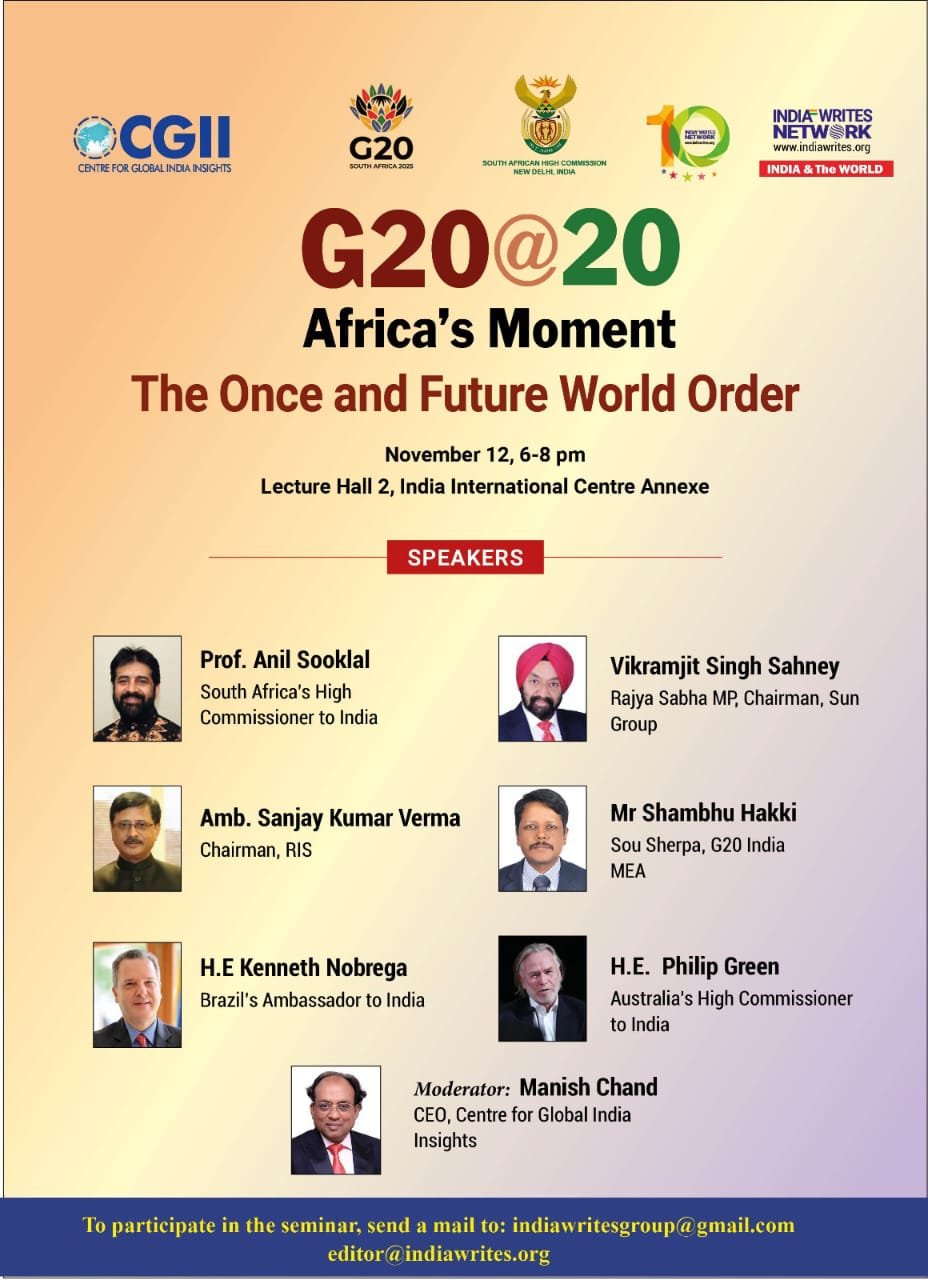
G20@20: Africa’s Moment – The Once and Future World Order
Speakers
Professor Anil Sooklal
Kenneth da Nobrega
Manish Chand
Ambassador Philip Green
Sanjay Kumar Verma
Shambhu Hakki
Vikramjit Singh Sahney
MPs, diplomats laud Operation Sindoor, call for national unity to combat Pakistan-sponsored terror
Speakers
Aparajita Sarangi
Brij Lal
Dr Amar Patnaik
Manish Chand
Priyanka Chaturvedi
Sujan Chinoy
Yashvardhan Kumar Sinha
BRICS summit in Rio to focus on Global South, local currency trade
Speakers
Dammu Ravi
Denis Alipov
Ina Hagniningtyas Krisnamurthi
Jyoti Vij
Kamel Zayed Kamel Galal
Kenneth da Nobrega
Manish Chand
Book
India’s G20 Legacy: Shaping a New World Order
Editor: Manish Chand
Pages: 206
Publisher: Pentagon Press LLP
Cover Price: INR 995
In Conversation
India’s BRICS Chairship Critical for Global South: South Africa’s Envoy
In The Press
Rescuing G20 from North-South divide: Ubuntu Moment
The Sunday Guardian: India calls for strengthened BRICS cooperation
Daily Excelsior: Ahead BRICS summit in Rio, envoys call for greater focus on combating terrorism
Rediff: BRICS Summit 2024: Focus on National Currencies
Latest From CGII
Enhancing Indo-Pacific Diplomacy for India’s Rise
Diplomatic win for India: BRICS bridges Gulf divide, bats for Global South
Illuminating India’s BRICS moment
With Trump listening in, Iran urges PM Modi to end war with US
India Russia ‘dosti’ in Bishkek: Focus on end of Ukraine war, balanced trade
Uncovering Pakistan: Modi rallies SCO against states that use terror as policy
The Journal
Special Edition on India’s Indo-Pacific plus Diplomacy
India’s G20 Journey – Scaling A New Summit