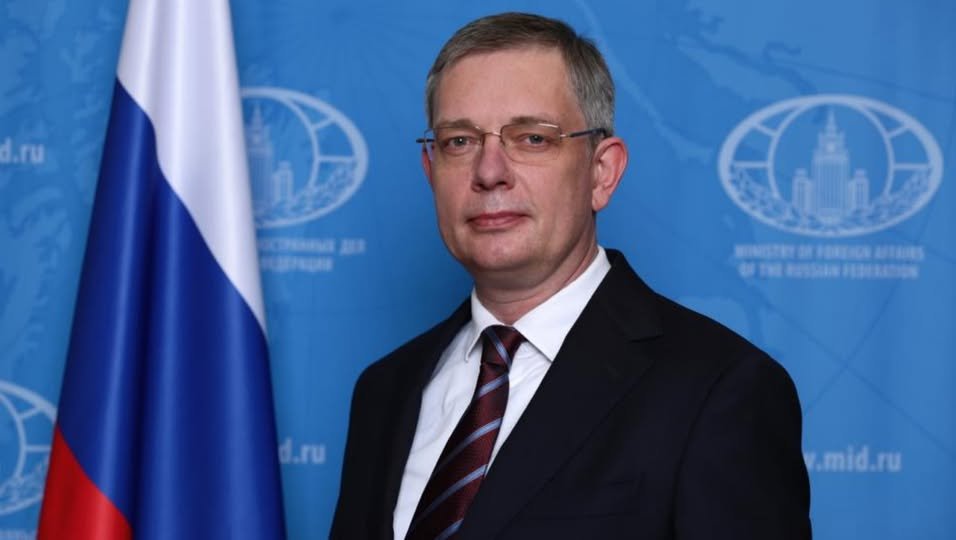


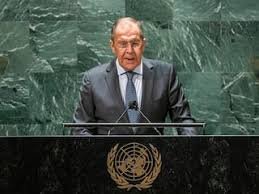
 Kazan, Russia. Russia’s Foreign Minister Sergey Lavrov, during an interview in Kazan, emphasized his support for India’s inclusion as a permanent member of the United Nations Security Council (UNSC). Lavrov’s comments highlighted the need for countries like India, Brazil, and African nations to have permanent seats at the UNSC, aiming to better represent the “global majority.” He asserted that such reform is crucial to ensure the Council reflects today’s geopolitical realities, making it more inclusive and relevant. Lavrov’s statement comes as India continues its longstanding campaign for UNSC reform. Since the Council establishment in 1945, its structure has remained largely unchanged, with only five countries—the United States, the United Kingdom, China, France, and Russia—enjoying permanent seats with veto power. India has argued that the current setup is outdated and unrepresentative of modern power dynamics, especially as emerging nations like India have taken on a larger role in global governance. As a nation with over 1.4 billion people, a rising economy, and a strong presence in international peacekeeping and diplomacy, India has consistently lobbied for a permanent seat at the UNSC. Its most recent term as a non-permanent member from 2021 to 2022 reinforced its position as a crucial global player, advocating for climate action, counter- terrorism, and sustainable development. Prime Minister Narendra Modi and External Affairs Minister S. Jaishankar have underscored the need for a reformed UNSC, arguing that India’s inclusion would enhance its credibility and effectiveness. Lavrov’s endorsement is particularly significant given the complex geopolitical environment. It follows similar expressions of support from the United States, the United Kingdom, and France. Last month, British Prime Minister Keir Starmer, alongside US President Joe Biden and French President Emmanuel Macron, reiterated their backing of India’s bid for a permanent seat. This rare alignment between Russia and key Western powers reflects India’s diplomatic clout and its ability to bridge different geopolitical interests.
 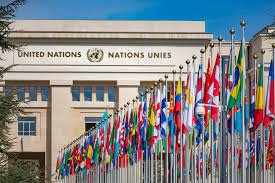 India’s demand for a permanent seat is grounded in its advocacy for a UNSC that better represents the interests of the Global South, including nations in Africa, Latin America, and Asia. Lavrov echoed this sentiment in Kazan, emphasizing that the inclusion of countries like India would better balance the Council’s decision-making process. This aligns with India’s role as a voice for the Global South, addressing issues like equitable access to resources and sustainable development on the global stage. However, securing a permanent seat remains a challenging task. Any reform to the UNSC’s membership requires amendments to the UN Charter, which involves approval from at least two-thirds of the UN General Assembly and ratification by all five current permanent members. China’s historical opposition to India’s bid adds complexity to the process, making consensus elusive. Nonetheless, Lavrov’s backing could signal a shift in the debate over UNSC reform. His comments reflect a growing recognition of the need for change in global governance structures. For India, which has positioned itself as a leader in advocating for reform, this support marks an important diplomatic win and a step toward achieving its goal of a permanent seat at the UNSC. As the world navigates new geopolitical challenges, Lavrov’s call for greater inclusivity at the UNSC is a reminder that global institutions must evolve. For India, the growing support from key global players suggests that its efforts for reform are gaining momentum. While obstacles remain, the backing from both Russia and the West is a positive sign for India’s aspirations on the global stage.