









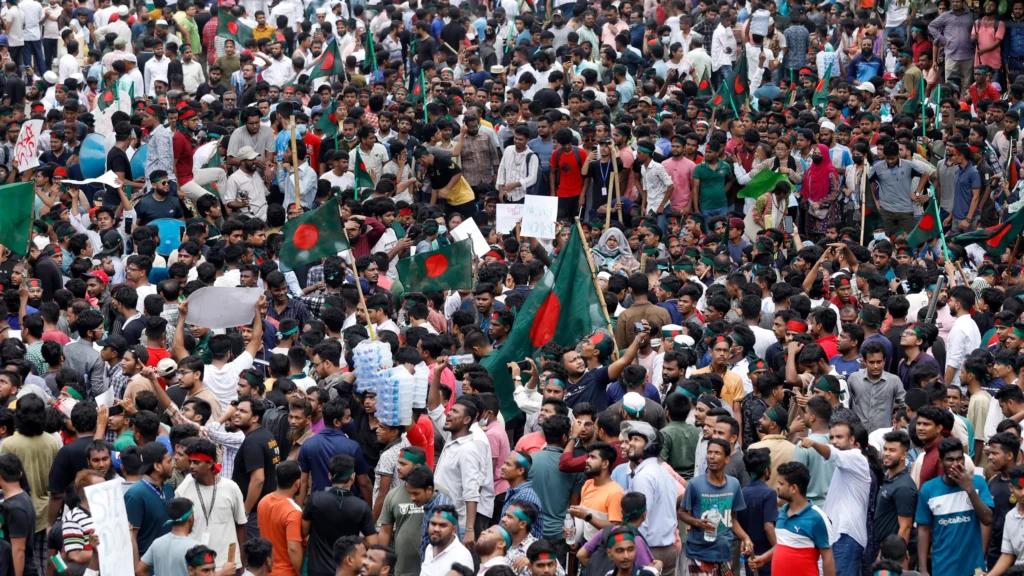
In an unexpected twist to the deepening crisis in Bangladesh, Sheikh Hasina reportedly stepped down as the prime minister and has fled to New Delhi for her safety due to the escalating violence in her country. She and her sister Sheikh Rehana had left Ganabhaban (Prime Minister’s official residence) at around 2:30 pm on August 5 for a safer place, as people violently stormed the premises. Sheikh Hasina, according to some reports, has landed at Hindon airport in Ghaziabad in India, and may go to London from India.
Shortly after she resigned as Bangladesh’s Prime Minister and departed the country, General Waker-Uz-Zaman, the Chief of Army Staff, proclaimed the formation of an interim government. Standing in front of the global media, he announced “I am taking all responsibility.” He has asked the people to end violence and has assured that their demands shall be met. According to well-placed sources, the interim government likely to be headed by Dr. Salimullah Khan and Dr. Asif Nazrul.
The ouster of Sheikh Hasina took place after months of intense protests by students over the quotas in civil services which led to violent clashes. On August 4, in a new wave of clashes around 100 people were killed. The demonstrations began last month, when the Bangladesh High Court ordered to reinstate a 30% quota in government positions for descendants of freedom fighters. When Prime Minister Sheikh Hasina refused to overturn the decision, the students’ demonstrations erupted, resulting in fights with police and government supporters. The unrest had subsided for a time when negotiations with the government began, but they resumed when students called for a statewide civil disobedience movement and demanded that Prime Minister Sheikh Hasina resign. Economic fuel to fire
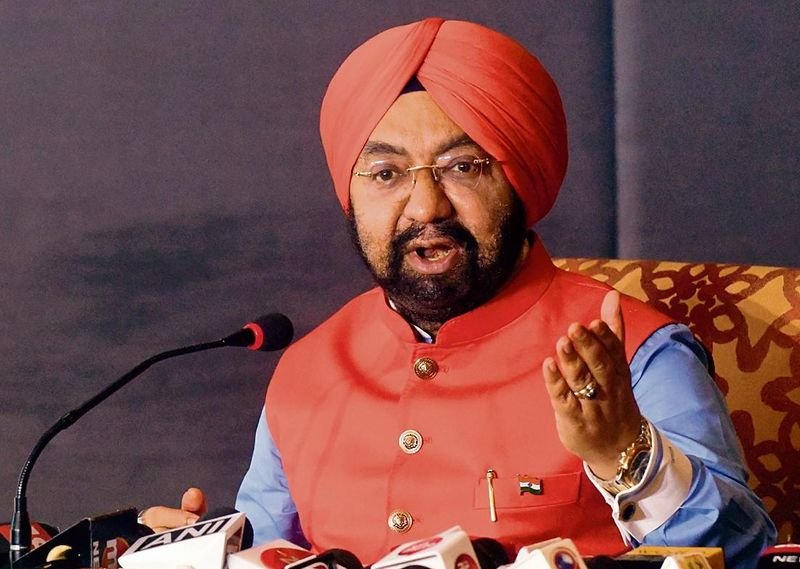
Recounting the deeper causes of violence, former Foreign Secretary and ex-Ambassador to Bangladesh Harsh Vardhan Shringla said: “On the face of it, it has been the quota issue that the students have put forward. But there are underlying economic factors.” He pointed towards the battered post-COVID 19 Bangladeshi economy which was further maimed by the spikes in prices of essential commodities due to Ukraine conflict.
The balance of payment situation is haggard and inflation has risen to 17-20%. “..So, I would also look at it as an economic factor and opportunists – whether it is the Opposition BNT or Bangladesh Jamaat-e-Islami…They have joined the protest and they have put in the violence in the protest,” he told ANI. “You can’t rule out the involvement of foreign powers who are inimical to Bangladesh’s interest and to our security also. You cannot rule out the fact that certain interests have been fishing in troubled waters. But I think the situation itself was a result of several underlying factors, inherent within Bangladesh.” Setback to India
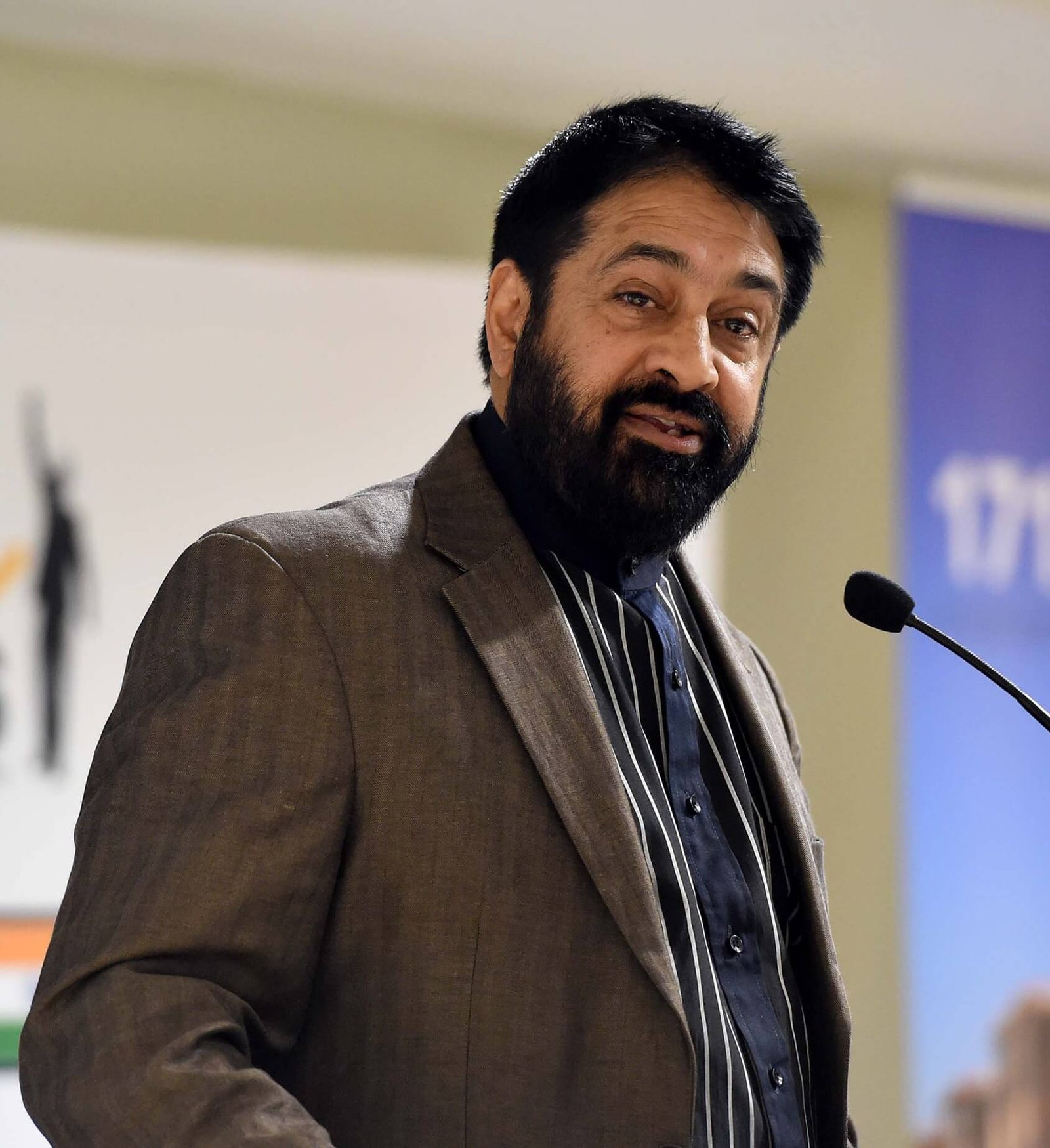
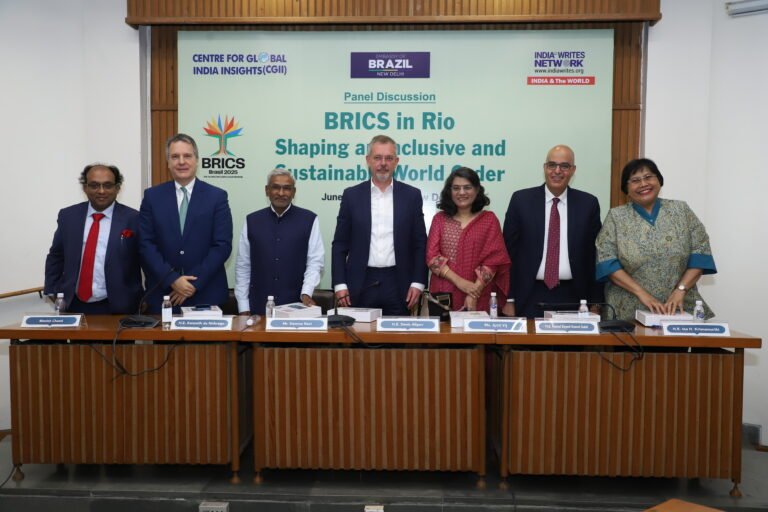
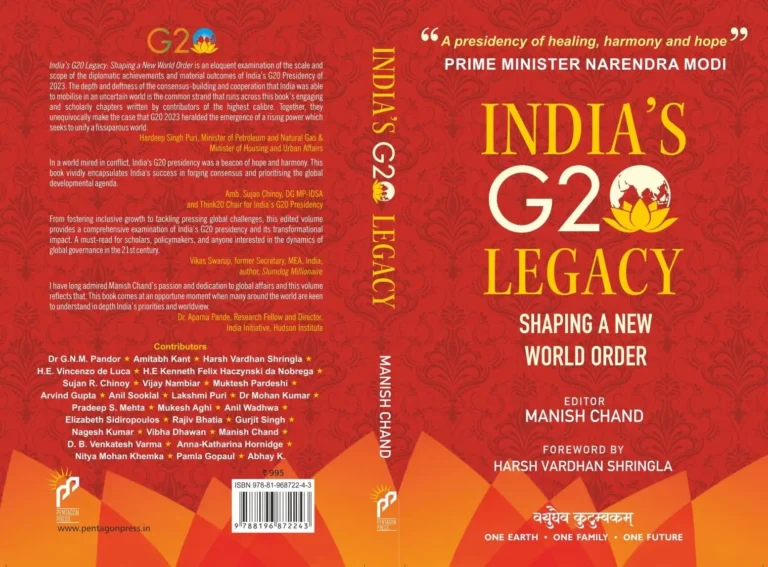
“The ouster of Sheikh Hasina is a major setback to India as New Delhi invested a great deal of diplomatic capital in building stronger ties with Bangladesh in her tenure,” said Manish Chand, Editor-in-Chief, India and the World and CEO, Centre for Global India Insights, a think tank focused on global affairs. “The last 15 years saw a marked upswing in India-Bangladesh ties as India committed $8 billion for an array of development projects in the neighbouring country,” he said. “Sheikh Hasina, on her part, was sensitive to India’s security concerns and took a series of decisive steps to crack down on extremist forces in Bangladesh,” he added.
(Ananya Singh contributed inputs for this article)