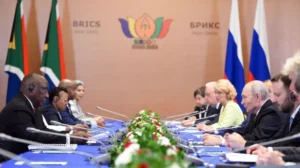
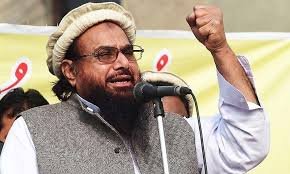
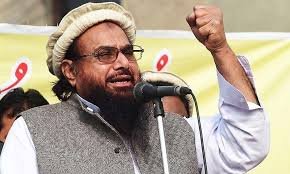
 In a boost for India’s drive to expose Pakistan’s role in fomenting terror, the US has launched a blistering attack on terror impresario Hafiz Saeed, the virulently anti-India suspected mastermind of the Mumbai carnage, and endorsed India’s surgical strikes against terror camps in Pakistan-Occupied Kashmir. Washington’s indictment of Pakistan comes ahead of the BRICS summit in Goa where India will focus on getting the support of emerging powers for pressuring Pakistan to abandoning cross-border terrorism. The message to Islamabad was clear: stop sheltering terrorists and punish the perpetrators of the 26/11 attacks. Refusing to be provoked by Saeed’s comments about the US doing India’s bidding to undermine Pakistan, John Kirby, spokesperson of the US state department, said: “I am not going to dignify the comments of an avowed terrorist one way or the other.” In his comments designed to provoke the US and India, Saeed, who is patronised by Pakistan’s military establishment, said: “There is a bounty worth crores on me but in the last five years US could not achieve anything out of it”. “The US is after us to reduce the size of our army, to reduce our nuclear arsenal. They are doing this at our enemy’s behest,” he had said. Typical of his trademark inflammatory rhetoric, he exhorted his followers to fight for Kashmir. “All parties should come together for Kashmir’s freedom. India cannot do anything. Don’t remember the US but remember Allah.” Washington was hardly impressed, and rubbished Pakistan’s attempt to seek the US’ mediation on the Kashmir issue. Instead, the US backed India’s surgical strikes against seven terror camps on September 28-29. “We share with India, the concern for preventing any future attack. Weempathize with the Indian position that it needs to respond militarily to the cross-border threat of terrorism,” said Peter Lavoy, the White House pointperson for South Asia, in Washington. The US also underlined the dynamic nature of the India-US relationship, which US President Barack Obama has called the defining partnership of the 21st century. “India-US ties are the most dynamic relationship and the US is making every effort to ensure that India becomes a member of the Nuclear Suppliers Group (NSG) by the end of this year,” said Mr Lavoy.