



BJP’s UP victory a vote for development: Modi
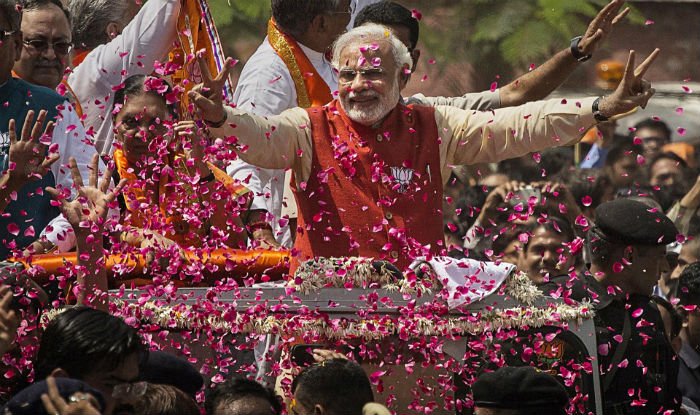
Prime Minister Narendra Modi has described his Bharatiya Janata Party’s stunning victory in assembly elections in India’s biggest state Uttar Pradesh as historic and underlined that it’s a mandate for “development and good governance.” In a series of tweets on March 11, he said: “I thank the people of Uttar Pradesh from the core of […]
Ahead of Sheikh Hasina’s visit, India, Bangladesh explore connect with northeast states
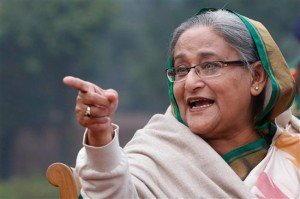
Ahead of Bangladesh Prime Minister Sheikh Hasina’s visit to India next month, New Delhi and Dhaka are looking to step up connectivity between India’s northeast states and the neighbouring country. A conclave was held in Dhaka on February 22 which focused on opportunities for cooperation between Northeast India and Bangladesh in the horticulture sector and to also showcase the tourism potential of Northeastern states of India.
With China watching, India in talks to sell Akash missile to Vietnam
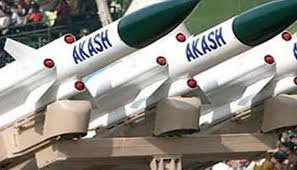
With China watching, India in talks to sell Akash missile to Vietnam
In a growing strategic embrace with Hanoi, India has said it is in talks to sell for the first time its home-grown short-range surface-to-air Akash missiles to Vietnam. The sale of missile, if it happens, will be deeply resented by Beijing which has been resentful of the burgeoning military ties between New Delhi and Hanoi.
“We are talking to a number of countries and one of them is none other than Vietnam,” state-owned Defence Research and Development Organization’s chairman S. Christopher told the media in Bengaluru on the margin of an air show where the DRDO is showcasing its missile programmes and other key projects, including a light combat fighter.
Dealing with Trump: India banks on US Congress
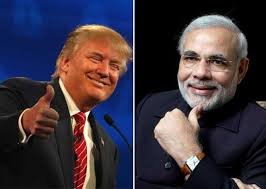
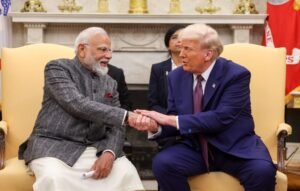
With strong bipartisan consensus for developing India-US relations, New Delhi is not worried about the course of this vital relationship under the Donald Trump presidency, and is set to leverage enormous goodwill in the US Congress. At a time when top leaders of Britain, Israel and Japan had rushed to Washington to have a measure of the change of guard in the White House, India is doing the same in a way different from top-down approach.
To begin with, a record number of 27 US Congressmen drawn from both the Democratic and the Republican parties will visit India beginning later this month, reflecting a long-standing bipartisan approach in Washington to further strengthening of relations with New Delhi.
India’s big space moment: ISRO’s 104 satellites launch stuns world
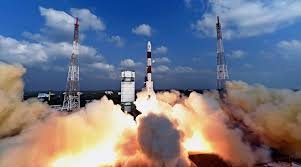
When the Polar Satellite Launch Vehicle (PSLV) C37 was successfully launched carrying 104 satellites, an overwhelming majority of them aimed at foreign customers, from Satish Dhawan Space Centre in Sriharikota in southern state of Andhra Pradesh, on February 16, it marked a major milestone for India’s state-owned space agency ISRO. It was a stunning feats as this is the highest number of satellites put into orbit by any country in one go. The previous international record of launching 27 satellites in a single payload was held by Russia for less than three years.
ASEAN-India at 25: A narrative of optimism
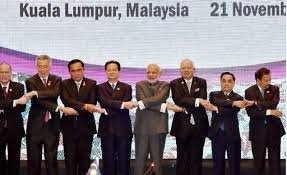
It’s an unfolding narrative of opportunity and optimism as India and the 10–nation ASEAN prepare to celebrate 25 years of dialogue partnership in 2017. A historic milestone for New Delhi’s reinvigorated Act East policy, the commemorative summit will mark 15 years of the summit-level interaction and five years of strategic partnership between India and ASEAN, home to over 1.8 billion people and dynamic growth hubs in the evolving geo-economic landscape of the region. “Shared Values, Common Destiny” – the summit’s theme encapsulates the essence of India’s blossoming relations with the Association of Southeast Asian Nations. It is animated by a soaring vision of an Asian century and a commitment to shaping an inclusive regional order.
Announcing the silver jubilee celebrations at the 14th ASEAN-India summit in the Laotian capital, Vientiane, on September 8, Prime Minister Narendra Modi spoke eloquently about the promise and potential of this crucial partnership. “The planned commemorative activities are ambitious, just as the promise and potential of our strategic engagement is immense. In India, you would find a ready and reliable partner, willing to march with you in step to fulfil this promise and realise its potential,” PM Modi told the ASEAN leaders.
How India and China can create a multi-polar Asia
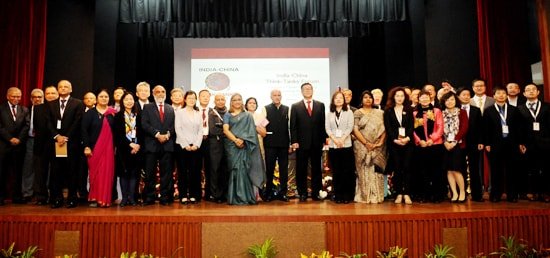
It is generally under-estimated how much India and China, as proximate neighbours, have had to do with each other in the course of history. The evidence of our interaction is there in front of our eyes, whether along the Silk Road or at Dunhuang, Luoyang or Datong. There are still older examples – be it in provinces like Sichuan, or indeed, later ones along the Fujian coastline. Yet, a narrative that we have always been distant from each other was successfully constructed by Western powers that had an interest in doing so. As Prof. PC Bagchi notes in his unique work on a thousand years of our cultural history, the accidents of the World War II reconnected two peoples who had almost forgotten their common past. Unfortunately, the border conflict and its political consequences interrupted this process. Although India was among the earliest Governments to establish ties and promote cooperation with the People’s Republic of China, the three lost decades compel us to still play catch up with relationships that came very much later.
Decoding Tibet’s Investment Boom: A reality check
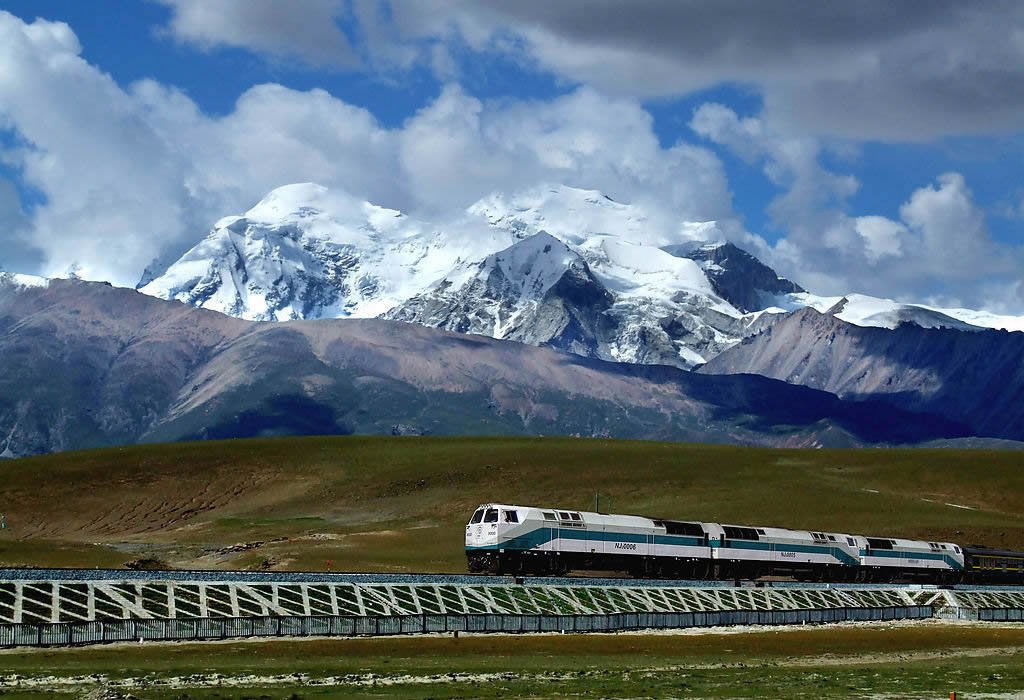
The term ‘miracle’ recurs as a leitmotif in any discussion on China’s much-touted economic growth rates. Behind this miracle lies massive investments by the Chinese state. Foreign Direct Investments (FDI) are an additional yet enormous factor behind the miracle.
In trying to understand how investments could lay the foundations of future growth, a case study of the Tibet Autonomous Region becomes pertinent. Tibet, which is still one of the poorest provinces in the country, massively lacks infrastructural bases for industrial growth to take off. Tibet’s case stands out even more when compared with the southern and eastern provinces of China. However, given the “new normal” under which the country is currently operating, which means slower growth rates from the medium to long term, provinces which have traditionally not been the best performers in terms of contribution to China’s Gross Domestic Product (GDP), are now being focussed upon by the state.
After Modi-Xi meeting, India-China joint exercise in Ladakh focus on trust-building
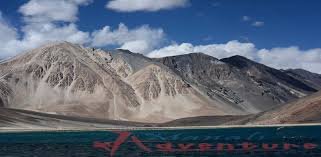
In a confidence-building exercise held only days after the meeting between India’s Prime Minister Narendra Modi and China’s President Xi Jinping, India and China have carried out the second edition of the joint military exercise in the Ladakh region of Jammu and Kashmir.
The exercise, held on October 18, was held under the provisions of the Border Defence Cooperation Agreement signed by the two Asian giants in 2013. This was the follow-up of the first drill that took place in February this year on the Chinese side. The exercise, entitled “Sino India Cooperation 2016,” was part of the “Hand in Hand” joint drills to enhance peace and tranquillity along the Line of Actual Control (LAC).
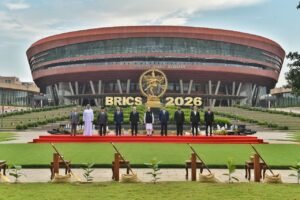
BRICS must speak in one voice on terror: PM Modi
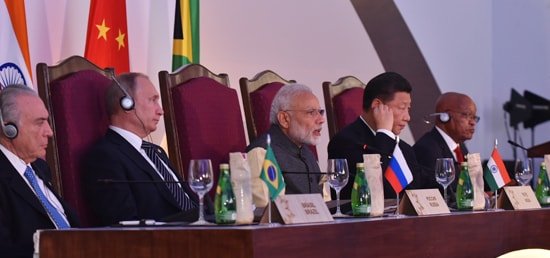
“In our own region, terrorism poses a grave threat to peace, security and development. Tragically, the mothership of terrorism is a country in India’s neighbourhood. Terror modules around the world are linked to this mothership. This country not just shelters terrorists. It nurtures a mindset. A mindset that loudly proclaims that terrorism is justified for […]